


Posted May 20th,2026 by Cura Hospitals
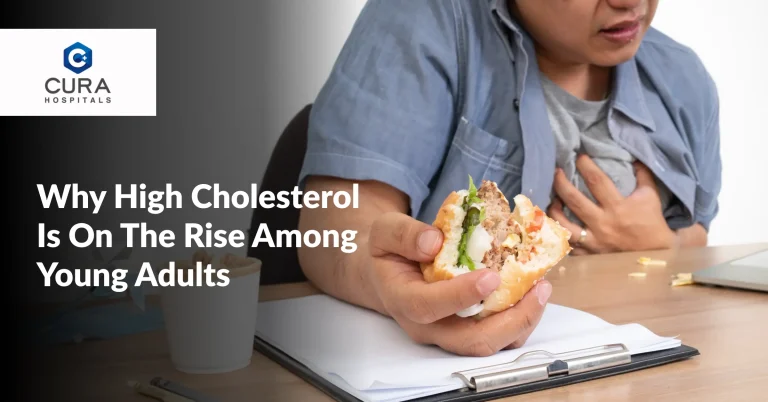
High cholesterol is no longer a problem seen only in older adults. Increasingly, people in their 20s and 30s are being diagnosed with elevated cholesterol levels, particularly high LDL cholesterol, often during routine health checks or after developing early heart-related symptoms.
Modern lifestyle patterns are a major reason behind this shift. Poor diet, reduced physical activity, chronic stress, obesity, smoking, alcohol consumption, sleep deprivation, and excessive screen time are all contributing to earlier metabolic dysfunction. In some individuals, genetics also plays a significant role.
Cholesterol is a fatty substance required for hormone production, cell repair, and digestion. While a certain amount of cholesterol is considered healthy, the problem begins when unhealthy cholesterol levels build up in the blood.
The main concern is high LDL cholesterol (low-density lipoprotein), often called “bad cholesterol”. LDL deposits fat inside blood vessels, gradually narrowing arteries and increasing the risk of heart attack and stroke.
HDL cholesterol (beneficial cholesterol) helps remove excess cholesterol from the bloodstream, while triglycerides are another type of fat linked to metabolic disease.
Long sitting hours, desk jobs, minimal exercise, and reduced daily movement slow metabolism and increase fat accumulation, all of which contribute to high cholesterol.
Diets high in trans fats, refined carbohydrates, sugar, and ultra-processed foods directly raise LDL cholesterol and triglyceride levels.
Excess abdominal fat is strongly associated with insulin resistance, metabolic syndrome, and abnormal cholesterol levels.
Persistent stress increases cortisol levels, which can negatively affect metabolism, blood pressure, and cholesterol balance.
Sleep deprivation alters hormone regulation and increases the risk of obesity, diabetes, and high cholesterol.
Smoking lowers good HDL cholesterol and damages blood vessels. Excessive alcohol increases triglycerides and overall cardiovascular risk.
Some young adults develop very high LDL cholesterol because of inherited conditions such as familial hypercholesterolaemia, even when their lifestyle may appear healthy.
What Are The Symptoms Of High Cholesterol?
High cholesterol usually develops silently. Most people experience few to no symptoms until complications begin. When symptoms appear, they are often related to reduced blood flow caused by arterial blockage:
Some individuals may also develop visible cholesterol deposits around the eyes or tendons. Because symptoms are often not easily detected visually, regular blood tests remain the best way to detect high cholesterol early.
Our team of experienced and expert cardiologists, with Dr MC Sandeep and Dr Anindita De Chakraborty, can help you identify the symptoms of high cholesterol and get the correct treatment in time.
High LDL cholesterol gradually damages blood vessels through plaque buildup. Over time, this may lead to:
Young adults with diabetes, obesity, hypertension, smoking history, or strong family history are at especially high risk.
Early intervention can significantly reduce long-term cardiovascular risk.
At least 150 minutes of moderate physical activity per week improves HDL cholesterol and lowers LDL levels.
Even modest weight loss can improve cholesterol profiles and insulin sensitivity.
Smoking accelerates artery damage and dramatically increases the risk of heart disease.
Consistent sleep and stress control positively affect metabolism and cardiovascular health.
Lipid profile screening should not be delayed until middle age, especially if there is obesity, diabetes, hypertension, or a family history of heart disease.
The rise of high cholesterol in young adults reflects major lifestyle and metabolic changes seen globally. Unfortunately, because high cholesterol symptoms are often silent, many people remain unaware until serious cardiovascular disease develops.
Recognising high LDL cholesterol early, understanding the causes of high cholesterol, and adopting preventive habits during young adulthood can significantly reduce the future risk of heart attack and stroke.
If you or someone you know has noticed serious signs of high cholesterol, contact Cura Hospitals to ensure an excellent standard of care.