
Skin Infections You Shouldn’t Ignore: Expert Care from a Dermatologist in Bangalore
 Cura Hospitals

Most of us have dealt with a stubborn rash or an unexpected breakout and hoped it would just go away on its own. Occasionally, it does, but often it doesn’t. Skin infections are more common than you’d think, and what starts as something minor can quietly get worse if left untreated. Persistent itching, redness, painful boils, fungal infections, acne flare-ups, and sudden hair fall aren’t things to brush off or wait out. Seeking early evaluation from an experienced dermatologist can make a real difference. The sooner you know what you’re dealing with, the easier it is to treat and the less likely it is to cause serious health damage.
What Are Skin Infections?
Skin infections occur when bacteria, fungi, viruses, or parasites invade the skin and multiply. These infections can affect the outer layer of the skin, deeper tissues, hair follicles, or nails. Skin infections are generally categorised as follows:
- Bacterial infections
- Fungal infections
- Viral infections
- Parasitic infections
Some infections are mild and manageable, while others may require urgent medical treatment.
What Are The Common Skin Infections That Need Medical Attention?
Fungal Infections
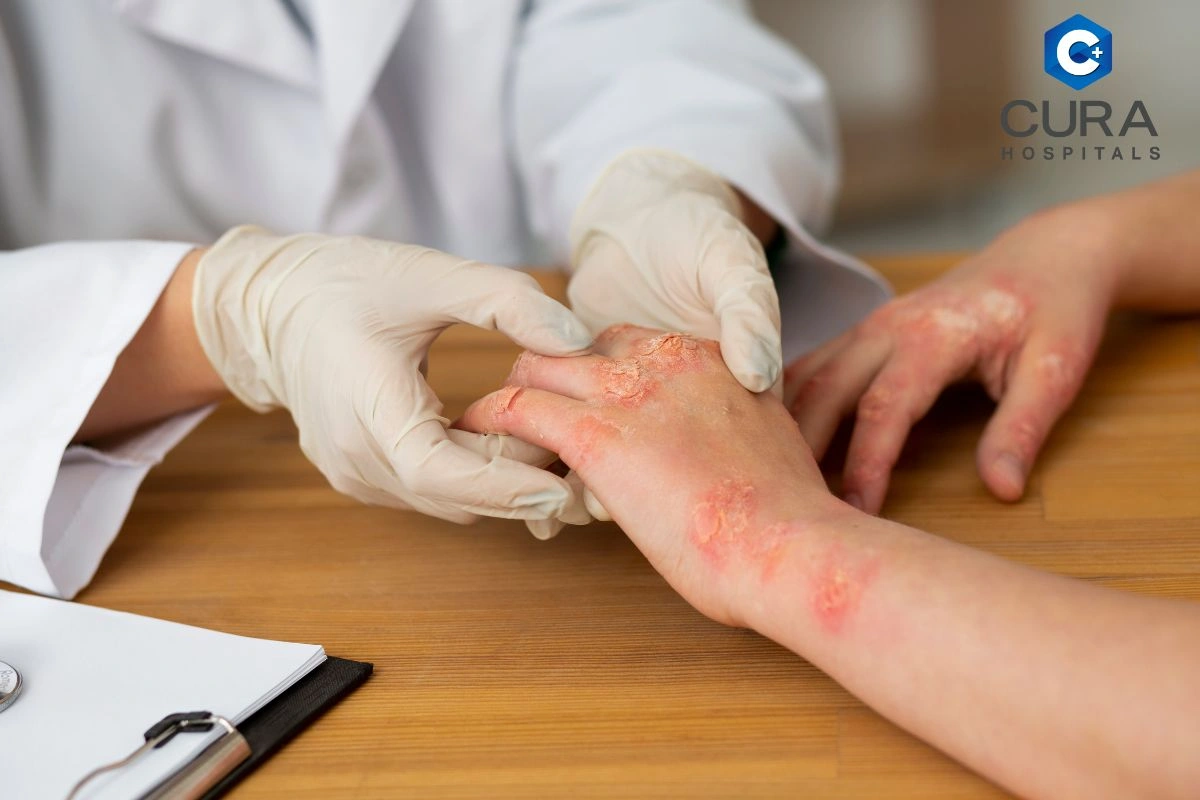
Fungal infections thrive in warm, humid conditions and commonly affect the groin, feet, underarms, and skin folds. Symptoms include:
- Persistent itching
- Circular red rashes
- Skin peeling or scaling
- Burning sensation
A qualified skin specialist can diagnose the infection accurately and provide targeted antifungal treatment instead of temporary over-the-counter solutions.
Bacterial Skin Infections
Boils, infected wounds, cellulitis, and pus-filled lesions often result from bacterial infections. Delaying treatment may allow the infection to spread deeper into the skin. Warning signs include:
- Painful swelling
- Fever
- Warmth around the affected area
- Pus discharge
Early care from a dermatologist helps control infection and reduce scarring.
Viral Skin Infections
Conditions such as warts, herpes infections, and shingles require proper dermatological evaluation. Some viral infections can recur repeatedly if not managed correctly.
Acne That Becomes Infected
Severe acne is not only a cosmetic concern. Inflamed or infected acne can cause:
- Deep cysts
- Painful nodules
- Permanent acne scars
- Skin pigmentation
Professional acne treatment in Bangalore may include medications, chemical peels, laser therapy, or advanced scar treatments, depending on severity.
Skin Allergies and Rashes
Sudden rashes, itching, hives, or facial swelling may indicate allergic skin reactions caused by food, medications, cosmetics, pollution, or environmental triggers. Proper skin allergy treatment focuses on identifying triggers while controlling inflammation and irritation safely.
Hair and Scalp Infections
Scalp infections are another commonly overlooked issue. Fungal scalp infections, dandruff-related inflammation, and bacterial folliculitis may contribute to:
- Persistent itching
- Hair thinning
- Patchy hair loss
- Excessive hair shedding
Early hair-fall treatment can help prevent progressive hair damage and support scalp recovery.
When Should You See a Dermatologist?
Consult a dermatologist if you notice:
- Skin infection lasting more than one week
- Rapidly spreading rash
- Painful or swollen skin lesions
- Recurrent fungal infections
- Severe itching
- Sudden unexplained hair fall
- Acne leaving scars or pigmentation
Dr. Abhiram R, Dr. Nithin S U, Dr. Preeti Havanur, Dr. Chandan B C, and Dr. D Navya are all part of our team of expert, experienced dermatologists at Cura Hospitals that can help you identify early signs of skin infections, making treatment faster, simpler, and more effective.
Cosmetic and Advanced Skin Care
Many patients also seek care for pigmentation, acne scars, ageing skin, unwanted hair, and skin rejuvenation procedures. An experienced cosmetic dermatologist in Bangalore can offer advanced treatments, including:
- Chemical peels
- Laser treatments
- Botox and fillers
- Acne scar revision
- Skin brightening procedures
- Anti-ageing treatments
Final Thoughts
Skin infections might seem like a minor inconvenience, but when symptoms keep coming back or just won’t go away, it’s worth taking seriously. Getting the right help early can save you a lot of discomfort and prevent things from getting worse. Whether you’re dealing with a stubborn infection, looking for effective acne treatment, exploring specialised hair fall treatment, or simply want clearer, healthier skin, the right guidance makes all the difference. A trusted skin specialist can get to the root of what’s going on and put together a plan that actually works for you. When it comes to your skin, you deserve more than a generic solution, and our team of experienced dermatologists in Bangalore can give you exactly that.
Media Center Health Concerns?
Our specialists at Cura Hospitals are here to help with screening, diagnosis, risk assessment, and personalized treatment plans tailored to your health needs.
Schedule A ConsultationFrequently Asked Questions
Six common skin infections and conditions include fungal infections (like ringworm), bacterial boils, cellulitis, viral warts, herpes, and infected acne. Early dermatological evaluation helps clear these effectively.
The top skin diseases and concerns frequently treated include fungal infections, bacterial lesions, viral warts, acne, skin allergies (hives), dandruff-related inflammation, folliculitis, eczema, psoriasis, and pigmentation disorders.
Four common viral infections affecting the skin are warts, herpes infections, shingles (herpes zoster), and molluscum contagiosum. These often require specialized dermatological care to manage and prevent recurrences.
Skin infections are broadly classified into key categories based on their source: bacterial infections, fungal infections, viral infections, parasitic infections, and secondary infections arising from severely inflamed acne.
Fungal infections (ringworm), viral infections (warts, herpes), and superficial bacterial infections (impetigo) are highly contagious through skin contact or shared items. Deep bacterial infections like cellulitis and inflamed acne are not contagious.
Related Blogs
Kidney Stone Size Guide: Can It Pass Naturally, or Does It Need RIRS, URS, or PCNL?

Leg Pain, Swelling or a Non-Healing Wound: Vascular Surgeon, Orthopaedic Doctor or Diabetologist?