Pneumococcal Vaccines for Adults and Children and Their Side Effects


Key Takeaways
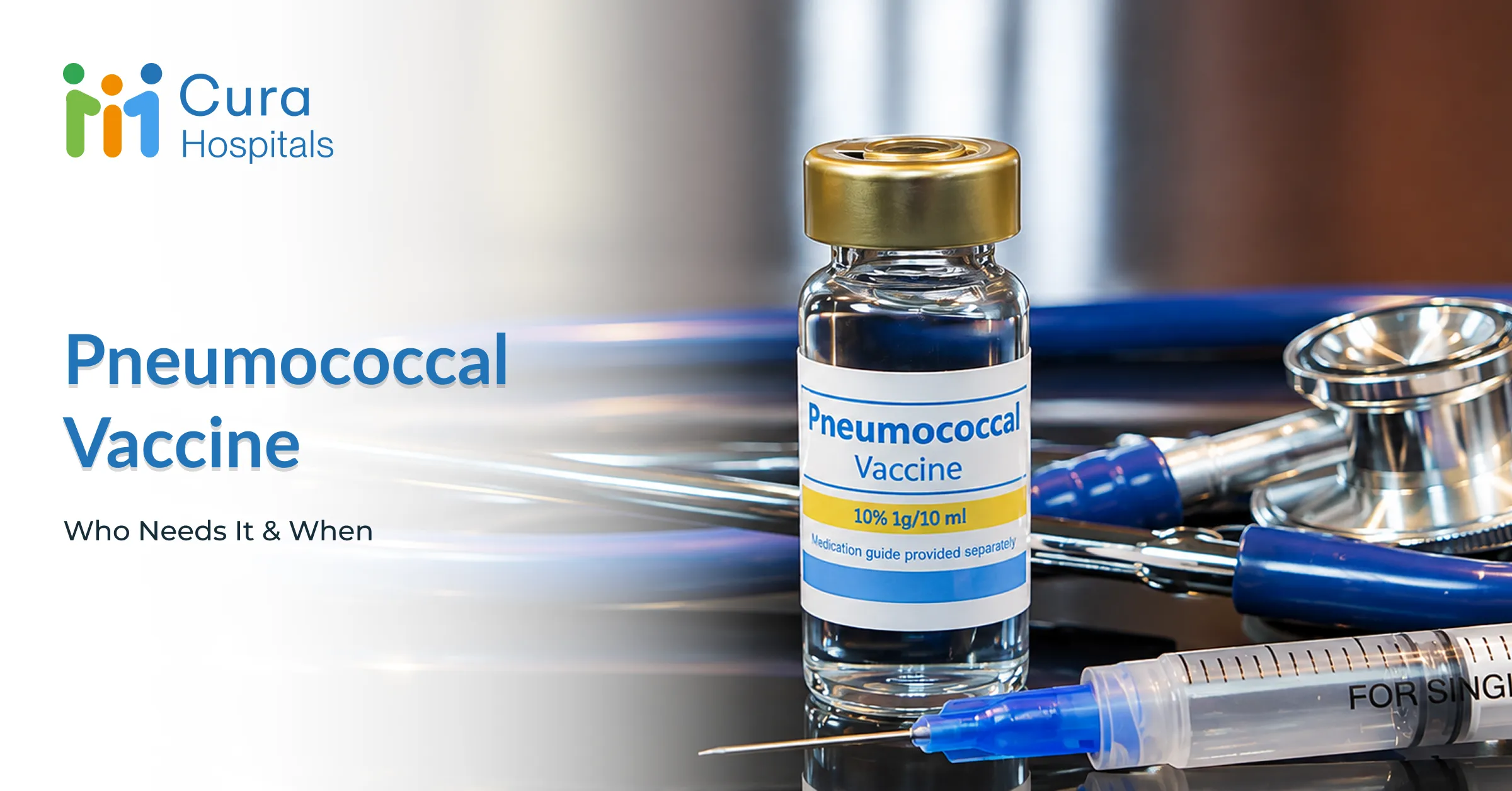
The pneumococcal vaccine acts against infections caused by pneumococcus bacteria which cause pneumonia
Pneumonia vaccination is a part of the routine for children. And adults may need it too.
The vaccine works well, but it cannot prevent every case.
Side effects are usually mild and may include a sore arm, a low fever and tiredness. A severe allergic reaction is very rare.
The type of vaccine and the number of doses depend on age and earlier vaccines your doctor should decide.
Pneumococcal disease is caused by bacteria called streptococcus pneumoniae. Babies, older adults and people with long term illness are at higher risk. Vaccines can lower the chance of pneumonia. Many families know about children vaccination but have never heard that adults can have one too.
This guide explains what the pneumococcal vaccine is, who should consider the pneumonia vaccine for adults, its side effects and when to see a doctor. It is meant to help you ask better questions. It cannot replace advice from your own doctor. (Jindal SK, et al.2024)
What Is the Pneumococcal Vaccine?
Pneumococcal bacteria live in the nose and throat of many healthy individuals and usually they are not harmful. When they spread to the lungs and to the blood or to the lining of the brain then it can be serious. The vaccines help the body to recognise the bacteria so it can act more faster.( Ministry of Health and Family Welfare, Government of India 2017)
There are two main types of vaccines-
- Pneumococcal Conjugate vaccines- These are given to the small children and now they are also given for adults. These vaccines have few versions which cover different numbers of pneumococcus bacteria.
- Pneumococcal polysaccharide vaccines- It acts against 23 types of pneumococcal bacteria and it is also used in adults.
Neither of them contains live bacteria so neither can cause pneumococcal infection.
When Do We Give Pneumococcal Vaccines for Baby
In India, a baby can receive the pneumococcal vaccine through the government or from a private paediatrician following the IAP timetable. Under government programme babies receive the first two doses at 6 weeks and 14 weeks with a booster at 9 months.
If your child has missed a dose ask your paediatrician about dose and booster plans. Missed doses do not mean you have to start the doses again. (Ministry of Health and Family Welfare2025)
Who Needs Pneumonia Vaccines as an Adult
Most adults in India were not offered this vaccine when they were children. All adults aged 50 and older who have not taken conjugate vaccines and also adults aged between 19 and 49 with certain health conditions are recommended to take these vaccines. All healthy individual aged 60 and above, people with chronic respiratory disease and diabetic patients with smoking habits are advised to take vaccines.(Kobayashi 2025)
The advice may vary your doctor will decide what suits you. Who all are strictly advised to take this vaccination-
- Individuals who are 50 years or above
- Diabetic patient with smoking habits
- Having chronic respiratory disease and asthma which is hard to control.
- Individuals dealing with heart, kidney or liver disease.
- People with weak immunity for example people undergoing chemotherapy or taking long term steroids.
The amount of dose to be taken depends on your age, health and earlier vacccines. You should keep a written record of your vaccinations.
Common Side Effects of Pneumonia Vaccines
Most people have no serious side effects. In some cases there are common side effects which are mild and usually go away within a few days. It may include-
- Little redness or swelling near the area of injection
- Mild fever or chills
- Headache
- Tiredness or drowsiness
- Decrease in appetite
Babies can be little fussy or sleepy for a day. Ask your doctor before giving any medication for fever. A severe allergic reaction is very rare. Go to the nearest hospital if after a shot, there is hives, swelling of the face or throat, difficulty in breathing, dizziness or weakness.
Who Should Not Take It or Should Wait
A pneumococcal vaccine should not be given to anyone who has had a life threatening allergic reaction to an earlier dose of any pneumococcal vaccine or to a vaccine containing diphtheria toxoid. Someone with a moderate or severe illness is usually asked to wait until they recover. Tell the doctor about any serious allergies and your past medical history.
How Well Does the Vaccine Work?
Pneumococcal vaccines are effective but cannot be fully prevented. They protect against the different types of pneumococcus bacteria. They do not protect against viruses such as influenza or against other bacteria. A vaccinated person can still develop pneumonia so a cough with fever that does not settle should still be checked.
| Doctors Insight “The pneumococcal vaccine is often missed because people feel well when it is due. We usually raise it with older adults and with patients who have diabetes or lung disease. It does not stop every chest infection, but it can make a serious one less likely.” Dr Praveen Biradar MBBS, MD Pulmonary Medicine 18 years of clinical experience, KMC (Reg. No. 79951, 2008) |
When to See a Doctor
Ask your doctor about the pneumococcal vaccine if you are 50 or older. And also if you have diabetes, lung, heart or liver condition, a weak immunity or a habit of smoking. Ask about it for your baby too, if the schedule has slipped. Book a visit if a cough, fever or tiredness do not improve, especially in a baby, an older adult or someone with a long term illness.
Pneumococcal Vaccination at Cura Hospital
The team of specialised doctors pulmonology , general medicine and paediatrics at Cura Hospitals can advise on pneumococcal vaccination for children and adults based on age, health and earlier vaccines. At Cura Hospitals, they check children and adults with cough, fever and breathing problems and provide assessment and treatment for chest infections including children with pneumonia with 24/7 emergency care.
Contact details
Cura Hospitals, Kammanahalli: #1, Bethel St, HRBR Layout 2nd Block, Kalyan Nagar, Kammanahalli, Bengaluru, Karnataka 560043
Cura Hospitals, Kanakapura Road: No.18, Kanakapura Rd, Venkatareddy Layout, Doddakallasandra, Uttarahalli Hobli, Bengaluru, Karnataka 560062
Phone: +91 87480 30303 | Email: info@curahospitals.com | 24/7 emergency: +91 84312 41403
This article is for general health education and is not a substitute for personal medical advice. Please speak to a doctor about your own injury.
References
Koul PA, Vora AC, Jindal SK, et al. (2024). Expert panel opinion on adult pneumococcal vaccination in the post-COVID era (NAP-EXPO Recommendations-2024). Lung India, 41(4), 307-317. doi:10.4103/lungindia.lungindia_8_24
Kobayashi M, Leidner AJ, Gierke R, et al. (2025). Expanded recommendations for use of pneumococcal conjugate vaccines among adults aged 50 years or older: Recommendations of the Advisory Committee on Immunization Practices, United States, 2024. Morbidity and Mortality Weekly Report, 74(1), 1-8. doi:10.15585/mmwr.mm7401a1
Koul PA, Vora AC, Jindal SK, et al. (2024). Expert panel opinion on adult pneumococcal vaccination in the post-COVID era (NAP-EXPO Recommendations-2024). Lung India, 41(4), 307-317. doi:10.4103/lungindia.lungindia_8_24
National Centre for Disease Control, Ministry of Health and Family Welfare. (2025). SAANS 2025 Guidance Note for Childhood Pneumonia Management.
Ministry of Health and Family Welfare, Government of India. (2017). Operational Guidelines for Pneumococcal Conjugate Vaccine Introduction in India.
Media Center Health Concerns?
Our specialists at Cura Hospitals are here to help with screening, diagnosis, risk assessment, and personalized treatment plans tailored to your health needs.
Schedule A ConsultationFrequently Asked Questions
The pneumococcal vaccine protects against infections caused by pneumococcus bacteria. It is given to babies as part of routine vaccination and is also recommended for many adults.
The pneumonia vaccines is also known as the pneumococcal vaccine which fights against pneumococcal bacteria but pneumonia can also be caused by viruses and other bacteria
All babies and older adults. Younger adults with conditions such as diabetes, lung disease, heart, kidney or liver disease or a weak immune system may also need it. Your doctor can guide you more about.
Yes it is part of the routine childhood vaccination in India. Most babies have no serious problems and mild fuslow fever for a day or two is common.
There is no single answer. In some adults who had earlier pneumococcal vaccines are offered another dose after at least five years
A general physician is a good first choice. A pulmonologist can advise if you have a lung condition.