Fracture First Aid – What to Do Immediately After a Suspected Broken Bone
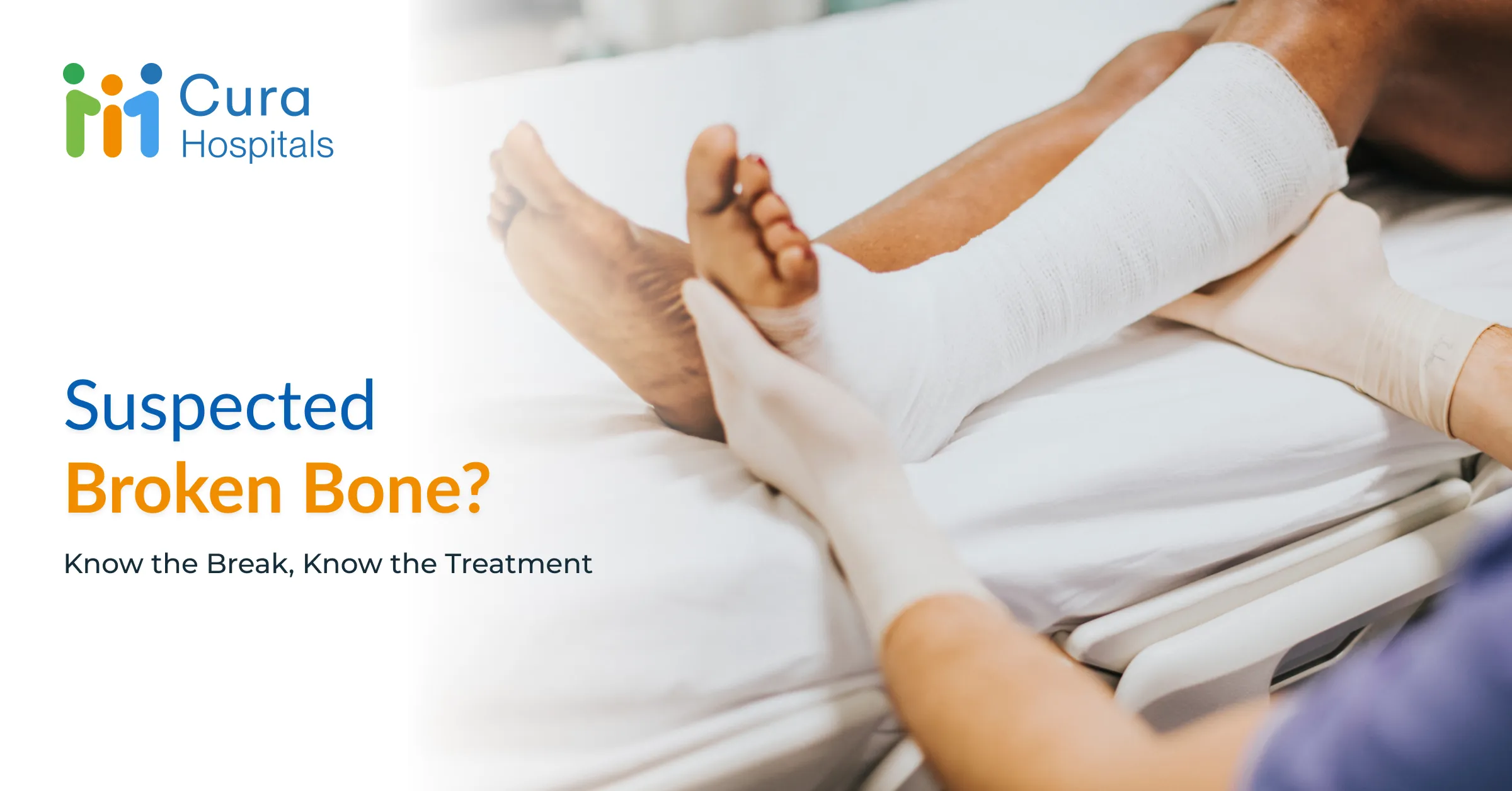


Treat any painful, swollen injury that looks bent or cannot be used as a possible fracture until an X-ray says otherwise.
Fracture first aid has three aims. Stay safe and call for help when needed, control bleeding and cover any wound, and keep the injured part still.
Do not try to straighten a bone or push it back in. Do not move someone with a suspected neck, back, hip or pelvis injury.
Fracture symptoms and sprain symptoms overlap. Pain, swelling and bruising occur in both, and only an X-ray can tell them apart.
Call emergency services if bone is visible, bleeding is heavy, the limb is cold, pale or numb, or the injury is serious or involves the head, neck, back, hip or pelvis.
Treatment at the hospital is decided after an examination and imaging, and it ranges from a splint or cast to surgery.
When someone falls, takes a hard hit during a match or is hurt in an accident, the first few minutes feel confusing. You may be a parent, a coach or a passer-by wondering whether the bone is broken and what you should do. What you do before reaching a hospital can ease the pain and stop the injury from getting worse.
This guide covers the signs of a suspected fracture, how a fracture differs from a sprain, step-by-step first aid, and what usually happens next. It does not replace medical care. If you are in doubt, treat the injury as a fracture and get it checked.
Cura Hospitals runs 24/7 emergency care at both hospitals.
Fracture Symptoms and Signs of a Broken Bone
Fracture symptoms depend on the bone and the type of fracture injury. These are the signs to look for.
- Pain that gets worse when the area is moved or pressed
- Swelling and bruising
- A limb or joint that looks bent, shorter or out of shape
- Not being able to use the limb or put weight on it
- A cracking or grinding feeling or sound at the time of the injury
- Numbness or tingling, or a hand or foot that looks pale, cold or blue
- Bone visible through the skin, or a deep wound near the injury
Some fractures, especially hairline and buckle fractures, cause only mild pain and swelling, and people may still use the limb. That is why an injury that is not settling after a day or two needs to be checked.
Fracture vs Sprain – How to Tell the Difference
A sprain is an injury to a ligament, the tissue that joins one bone to another. A fracture is a break in the bone itself. They can look very alike, because both cause pain, swelling and bruising. The table gives some pointers, but none of them is reliable on its own.
| Feature | More likely with a fracture | More likely with a sprain |
| Pain | Sharp pain over the bone, worse when the bone itself is pressed | Pain around the joint, often worse with certain movements |
| Shape | The limb looks bent or out of shape | Swelling, but the shape looks normal |
| Use of the limb | Often cannot move it or put weight on it | Painful, but some movement or weight bearing may be possible |
| At the time of injury | A crack or grinding feeling | A pop or tearing feeling |
| Numbness | More likely | Less likely |
| Over the next day or two | Pain stays the same or gets worse | Pain slowly improves |
Because the signs overlap, doctors rely on an examination and an X-ray. If you cannot tell, treat the injury as a fracture, keep it still and have it checked.
Step-by-Step Fracture First Aid Guide
- Stay calm and keep the person still. Do not let them walk on the injured leg or use the injured arm. If the injury is serious, make them comfortable where they are.
- Call for help if needed. The list further down explains when to call emergency services.
- Stop any bleeding. Press gently around the wound with a clean cloth or sterile dressing. Do not press directly on bone that is showing. In first aid, controlling serious bleeding comes before everything else (Zideman et al., 2021).
- Cover an open wound. Use a clean, dry dressing. Do not probe the wound, wash it out deeply or push the bone back in.
- Keep the injured part still. Support it in the position you found it. If you can do so without causing more pain, add a splint made from a board, a stick or a rolled magazine, padded with cloth and reaching beyond the joints above and below the break. Tie it firmly, but not so tight that it cuts off blood flow. The fingers or toes should stay warm and pink. If the pain is severe or you are unsure, hold the limb still with your hands or cushions and wait for help.
- Apply a cold pack. Wrap ice or a cold pack in a cloth and place it on the injury for up to 20 minutes at a time. Never put ice directly on the skin.
- Raise the injured limb gently if this does not cause pain.
- Watch for shock. Pale, clammy skin, fast breathing, dizziness or confusion are warning signs. Lay the person down, keep them warm and call emergency services.
- Avoid giving food or drink until a doctor has seen the person, in case an operation is needed.
- Get the person to a hospital, by ambulance if the injury is serious.
| Doctor’s Insight “The most helpful thing a bystander can do is keep the injured part still and get the person to a hospital. Trying to straighten the limb or checking whether it moves can add to the damage.” DR. ABRAR MOHAMMED M.B.B.S, M.S, Orthopaedics Registered Medical Practitioner | KMC Registration No: 116389 |
What Not to Do
- Do not try to straighten a bone or change its position. Only trained medical staff should do this (MedlinePlus, n.d.).
- Do not massage, rub or apply heat to the injury.
- Do not move someone with a possible injury to the neck, back, hip or pelvis unless they are in immediate danger.
- Do not tie bandages tightly over the break.
- Do not let the person keep walking on a leg that may be broken, even if they say they can.
- Do not ignore a mild injury that is not improving.
When to Call Emergency Services
Call 112, or your local ambulance service (108 in many states), if any of the following applies.
- Bone is visible, or there is a deep open wound
- Bleeding is heavy or does not stop with pressure
- The injury involves the head, neck, back, hip, pelvis or thigh
- The limb looks badly bent
- The hand or foot below the injury is cold, pale, blue or numb
- The person is confused, very drowsy or in severe pain
- The injury came from a road accident, a fall from a height or another high-energy event
- There are signs of shock
Broken Bone Treatment at the Hospital
At the hospital, the team first checks breathing, circulation and bleeding. They then examine the injured limb and check the pulse, sensation and movement below the injury. Pain relief is given early. An X-ray is the usual first test. A CT scan or MRI may be added for joints, the spine, the pelvis or complex breaks.
Broken bone treatment then depends on the type of fracture. A splint is often placed first, and a cast is fitted after the swelling settles. If the bone has moved, the doctor may realign it. Open fractures need the wound cleaned and antibiotics, and some fractures need surgery.
First Aid for Children and Older Adults
Children often hide pain or simply stop using the arm or leg. Fractures near a growth plate can be subtle, and pain near a joint that does not settle should be rechecked even if the first X-ray looked normal (Salter and Harris, 1963). Older adults can fracture a bone in a minor fall because bone becomes weaker with age (Court-Brown and Caesar, 2006).
Pain in the hip, groin or wrist after a fall should be assessed even when the person can still move. When the bone has been set and the cast is on, you may want to know how fracture recovery works.
For appointments or general enquiries, reach out to the hospital.
Contact details
Cura Hospitals, Kammanahalli: #1, Bethel St, HRBR Layout 2nd Block, Kalyan Nagar, Kammanahalli, Bengaluru, Karnataka 560043
Cura Hospitals, Kanakapura Road: No.18, Kanakapura Rd, Venkatareddy Layout, Doddakallasandra, Uttarahalli Hobli, Bengaluru, Karnataka 560062
Phone: +91 87480 30303 | Email: info@curahospitals.com | 24/7 emergency: +91 84312 41403
This article is for general health education and is not a substitute for personal medical advice. Please speak to a doctor about your own injury.
Media Center Health Concerns?
Our specialists at Cura Hospitals are here to help with screening, diagnosis, risk assessment, and personalized treatment plans tailored to your health needs.
Schedule A ConsultationFrequently Asked Questions
Keep the person still, control any bleeding, cover open wounds with a clean dressing, support the injured part with a splint or sling, apply a cold pack wrapped in cloth and get medical help. Do not try to straighten the bone.
You cannot be sure without an X-ray. A bent or misshapen limb, pain over the bone, numbness and inability to use the limb point towards a fracture. If you are unsure, treat it as a fracture and have it checked.
Sometimes, especially with a hairline fracture. Being able to walk does not rule out a fracture, and walking on it can make the injury worse. Get it examined before putting full weight on it.
Use a cold pack wrapped in a cloth for up to 20 minutes at a time. Avoid heat in the first stage, because it can increase swelling.
If you take a painkiller, follow the label and any advice you already have from your doctor. For a child, ask a doctor before giving any medicine.
Go straight away for serious injuries, open wounds or injuries to the head, neck, back, hip or pelvis. For a smaller injury, see a doctor the same day, and certainly if the pain or swelling is not settling.
Pain that worsens with movement, swelling, bruising, a bent or shortened limb, trouble using the limb, numbness, and in severe cases bone visible through the skin.