Gynecologist Consultation: Irregular Periods, PCOS, Pregnancy Care, Fibroids & Menopause


Many women put off a gynaecology visit until something feels seriously wrong. A missed period gets brushed aside as stress. Unusual bleeding gets blamed on a busy month. Pelvic discomfort gets ignored because it “isn’t that bad”. The truth is, most gynaecological concerns are easier to manage the earlier they are looked at, and a large number of them are far more common than people realise.
This guide walks through the key reasons women see a gynaecologist, what each symptom might mean, and when it’s time to actually book that appointment.
When Should Women See a Gynaecologist?
There is a common misconception that gynaecologists are only for pregnancy or for “serious” problems. In reality, a gynaecologist is the right specialist for almost anything related to reproductive and hormonal health at almost any life stage.
Knowing when to see a gynaecologist doesn’t have to be complicated. As a general guide, it’s worth booking a visit if you notice:
- Periods that are irregular, unusually heavy, or unusually painful
- Any bleeding between periods or after menopause
- Persistent pelvic or lower abdominal pain Unusual vaginal discharge, odour, or itching
- Symptoms that suggest PCOS or PCOD (PCOM) such as acne, excess hair growth, or weight changes
- Difficulty conceiving after several months of trying
- Planning a pregnancy or confirming an early pregnancy
- Recurring urinary symptoms like burning or frequent urination
- Menopausal symptoms that are affecting daily life
Beyond these specific triggers, an annual gynaecological check-up is also recommended for most adult women, even without obvious symptoms, simply as a preventive measure.
Irregular Periods and Heavy Bleeding
A “normal” menstrual cycle can actually look quite different from person to person, but there are patterns that suggest something needs attention. Cycles that vary wildly in length, periods that stop for months at a time, or bleeding that soaks through protection every hour or two are all reasons to get checked.
Irregular periods can stem from a wide range of causes, including hormonal imbalances, thyroid dysfunction, stress, sudden weight changes, or underlying conditions like PCOS. Heavy bleeding, medically known as menorrhagia, can also lead to fatigue and iron deficiency if left unaddressed for too long, since the body is losing more blood than it can easily replace.
A gynaecologist will usually start with a detailed history of your cycle pattern, followed by relevant blood tests or an ultrasound if needed, to understand what’s driving the irregularity before recommending treatment.
PCOS/PCOD Symptoms
Polycystic Ovary Syndrome (PCOS), along with Polycystic Ovarian Diseases (PCOD), now referred to as Polyendocrine Metabolic Ovarian Syndrome (PMOS), is one of the most frequently diagnosed hormonal conditions in women of reproductive age. It happens when the ovaries produce higher than typical levels of androgens, which can disrupt ovulation and lead to a cluster of symptoms rather than just one.
Common signs include:
- Irregular or absent periods
- Excess facial or body hair growth
- Persistent acne, particularly along the jawline
- Difficulty losing weight or unexplained weight gain
- Thinning hair on the scalp
- Small cysts on the ovaries, visible on ultrasound
- Trouble conceiving
PMOS doesn’t look the same in every woman, and some people have only one or two symptoms rather than the full picture. Because it’s a hormonal condition rather than a single disease, management usually involves a combination of lifestyle changes, medication to regulate the cycle, and monitoring for related risks like insulin resistance over the long term.
Pregnancy Planning and Antenatal Care
Whether you’re actively trying to conceive or have just found out you’re pregnant, this is one of the most important reasons to have a gynaecologist you trust. Preconception counselling can help identify and address any issues, such as thyroid imbalances, low iron levels, or existing health conditions, before pregnancy even begins, which can make a meaningful difference to how smoothly things go afterward.
Once pregnancy is confirmed, regular antenatal visits track the health of both mother and baby at each stage. These typically include growth scans, blood pressure monitoring, screening tests, and guidance on nutrition, weight gain, and warning signs to watch for. For many women, having consistent care with the same obstetrician throughout pregnancy also brings a sense of continuity and reassurance during a time that can otherwise feel uncertain.
Pelvic Pain, Fibroids and Ovarian Cysts
Pelvic pain is one of those symptoms that’s easy to dismiss, since period cramps are so common that any lower abdominal discomfort can start to feel routine. But pain that is persistent, severe, or occurring outside your usual cycle deserves a proper look.
Two of the more common underlying causes are:
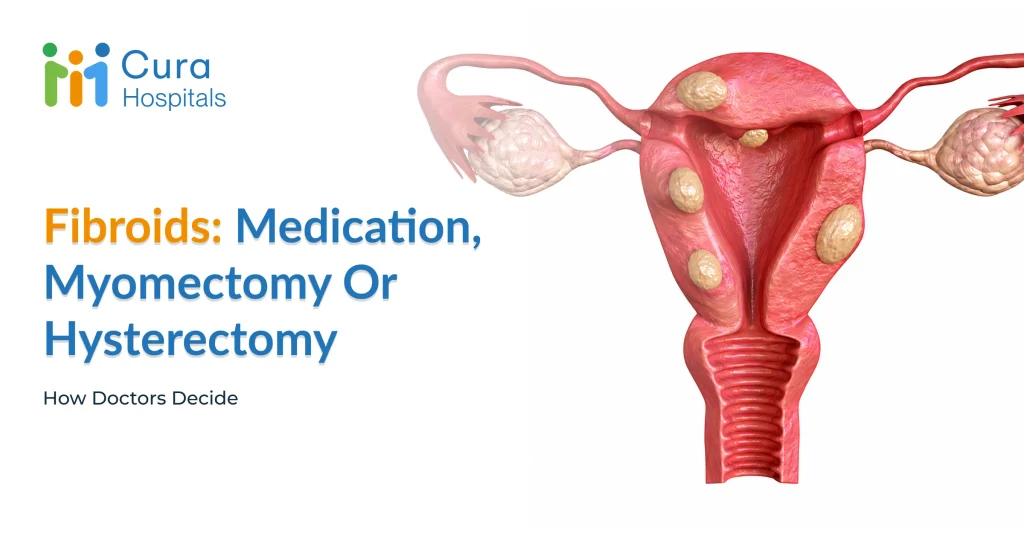
Fibroids: These are non-cancerous growths that develop in or around the uterus. They vary widely in size, and while small fibroids often cause no symptoms at all, larger ones can lead to heavy periods, pelvic pressure, or discomfort during intercourse.
Ovarian cysts: These are fluid-filled sacs that form on the ovaries. Most are harmless and resolve on their own within a few cycles, but larger or persistent cysts can cause pain and sometimes require monitoring or treatment.
An ultrasound is usually the first step in diagnosing either condition, and treatment depends entirely on the size, symptoms, and whether fertility is a consideration. Many cases are managed with monitoring alone, while others may need medication or a minor procedure.
Vaginal Infections and Urinary Symptoms
Vaginal infections are extremely common and, in most cases, straightforward to treat once properly diagnosed. Symptoms like unusual discharge, itching, a change in odour, or discomfort during urination can point to anything from a yeast infection to bacterial vaginosis or a urinary tract infection, and each of these needs a different treatment approach.
Self-diagnosing based on symptoms alone can be tricky, since several conditions share overlapping signs. Recurring infections, in particular, are worth discussing with a gynaecologist, as they can sometimes point to an underlying factor, such as blood sugar imbalances or a need to adjust hygiene practices, rather than being one-off occurrences.
Menopause and Post-Menopausal Bleeding
Menopause is a natural transition, but the symptoms leading up to it, and sometimes after it, can be disruptive enough to warrant medical support. Hot flushes, sleep disturbances, mood changes, vaginal dryness, and irregular cycles in the years leading up to menopause, known as perimenopause, are all common and manageable with the right guidance.
One symptom that should never be ignored, however, is any bleeding that occurs after menopause has been confirmed, meaning after twelve consecutive months without a period. Post-menopausal bleeding is not a normal part of this life stage and always warrants prompt evaluation, since it can occasionally point to an underlying condition that needs attention. This doesn’t mean it’s automatically serious, but it does mean it shouldn’t be left unchecked.
Gynecologist vs Obstetrician
These two terms are often used interchangeably, and while there’s significant overlap, the distinction is useful to understand.
| Gynaecologist | Obstetrician | |
| Focus area | Broader reproductive health of women across all life stages | Pregnancy, labour, and the postpartum period specifically |
| Common concerns handled | Menstrual issues, hormonal conditions, menopause, general pelvic health | Antenatal care, delivery, postpartum recovery |
| When to see them | For general reproductive or hormonal concerns, at any life stage | Specifically when planning a pregnancy or already pregnant |
| In practice | Most specialists are trained in both fields and are referred to as OB-GYNs | Same as a gynaecologist, the two roles usually overlap in one doctor |
If you’re looking for an obstetrician in Kanakapura Road for pregnancy care or a gynaecologist for a general concern, the same specialist can often manage both, which makes ongoing care simpler and more consistent.
When to Visit Cura Hospital’s Gynecology and Obstetrics Department
You don’t need to wait for a symptom to become disruptive before seeing a gynaecologist. Whether it’s a routine check-up, a specific concern, or ongoing pregnancy care, getting evaluated early usually means simpler treatment and better peace of mind.
Consider booking a consultation if:
- You’ve noticed changes in your cycle that don’t feel normal for you
- You suspect PCOS or have been managing it without a clear treatment plan
- You’re planning a pregnancy or are newly pregnant
- You’re dealing with pelvic pain, or have been told you have fibroids or cysts
- You’re experiencing menopausal symptoms, or any bleeding after menopause
- You simply haven’t had a gynecological check-up in a while
If you’re searching for a gynaecologist in Kanakapura Road or a gynaecologist in Kammanahalli, Cura Multispeciality Hospitals has specialists across both locations offering thorough evaluations and personalised care plans. Many patients specifically look for a lady gynaecologist near me for comfort and ease during consultations, and our team includes experienced women specialists at both branches.
Whether you’re after the best gynaecologist on Kanakapura Road for a specific condition or simply want a trusted specialist for regular care, our team is here to support you through every stage, from your first period to menopause and everything in between.
Book your consultation with our gynaecology team at Cura today.
Media Center Health Concerns?
Our specialists at Cura Hospitals are here to help with screening, diagnosis, risk assessment, and personalized treatment plans tailored to your health needs.
Schedule A ConsultationFrequently Asked Questions
It’s a visit with a specialist who focuses on female reproductive health, covering everything from periods and hormones to pregnancy and menopause. The doctor discusses your symptoms and history and may recommend an examination or tests depending on your concern.
The doctor will usually start by asking about your menstrual cycle, symptoms, and medical history. Depending on what you’re there for, this may be followed by a physical examination, an ultrasound, or blood tests and ends with a discussion of findings and next steps.
Any time you notice irregular or painful periods, unusual bleeding, pelvic pain, vaginal discharge, or symptoms of PCOS. It’s also worth seeing one for pregnancy planning, fertility concerns, or a routine annual check-up, even without symptoms.
Yes. Gynaecologists often treat bladder problems linked to the pelvic floor, such as urinary leakage or frequent urination, especially when related to childbirth, menopause, or pelvic organ prolapse.
Yes. Gynaecologists regularly diagnose and treat urinary tract infections, particularly if they’re recurring or linked to other gynaecological symptoms.