
Varicose Veins

What Is Varicose Veins?
Varicose veins are swollen, twisted veins that usually appear just under the skin’s surface, most often in the legs. They develop when the tiny valves inside veins weaken or stop working properly, allowing blood to pool instead of flowing back to the heart. Over time, this pooling causes the veins to stretch, bulge, and become visible.
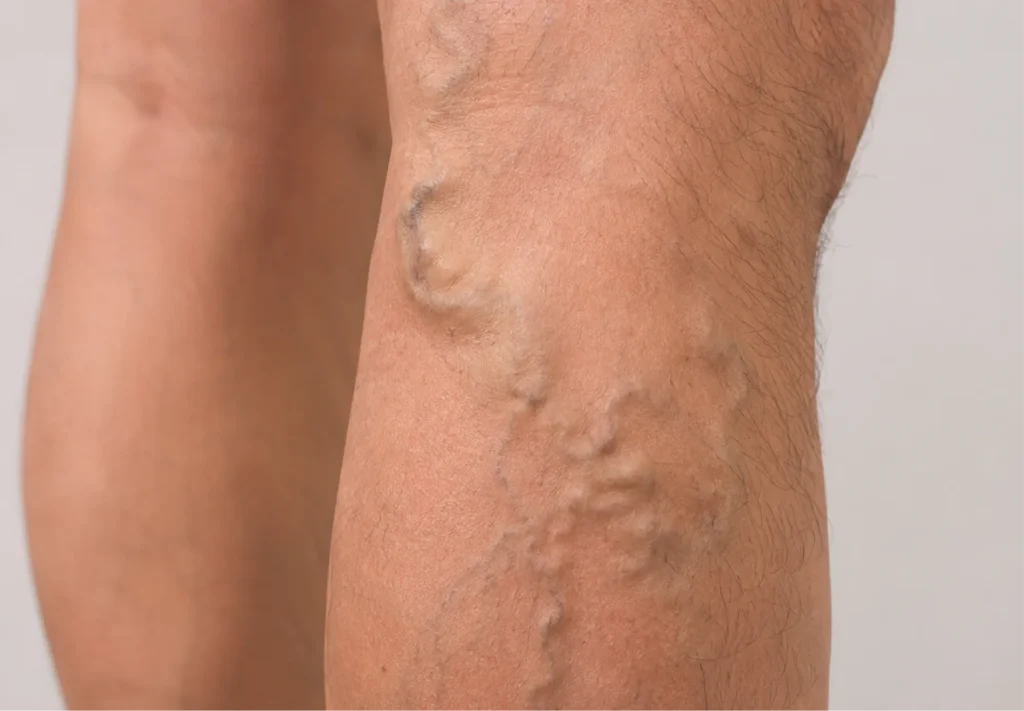
Symptoms of Varicose Veins
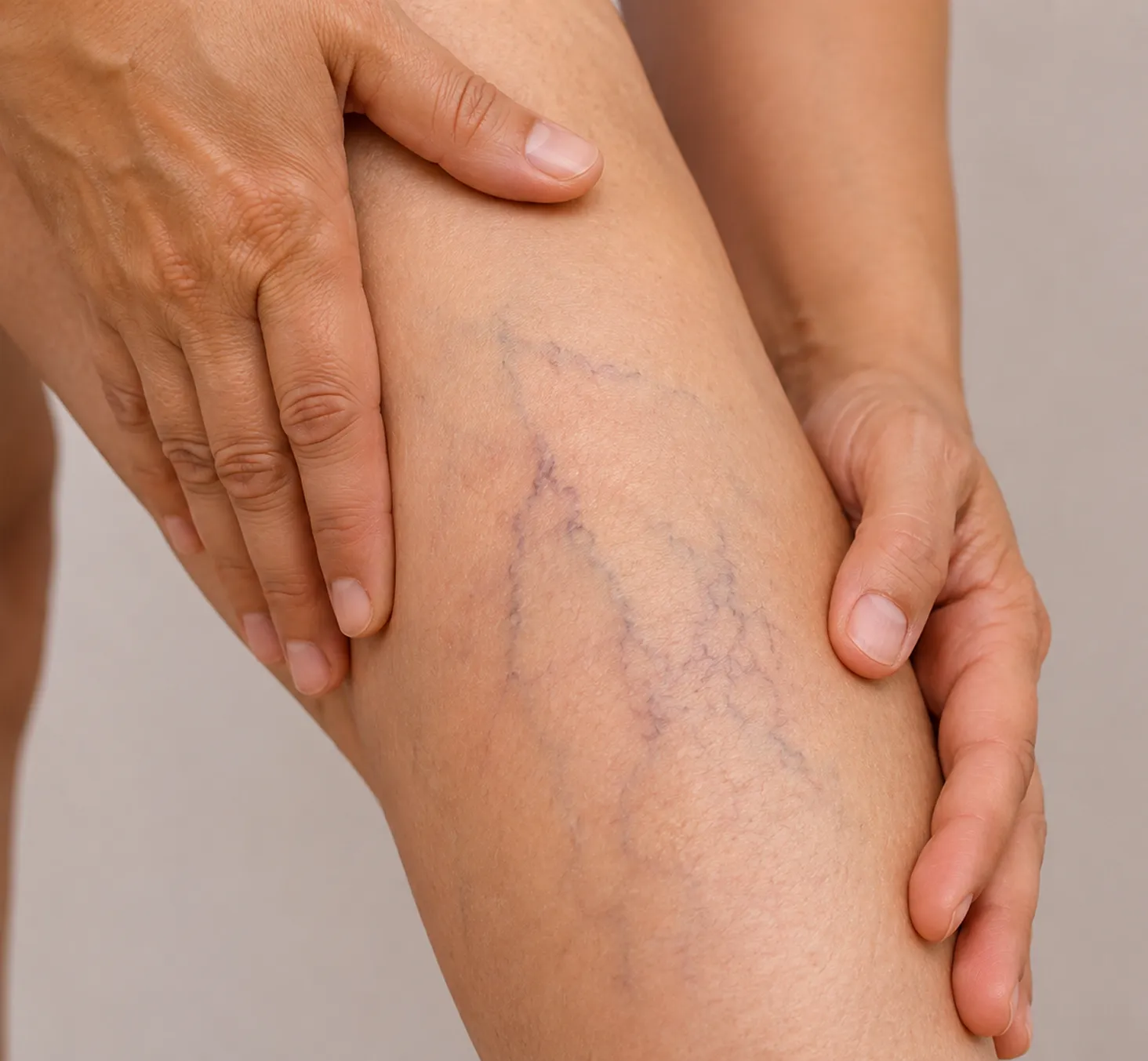

Causes of Varicose Veins
Varicose veins develop when the valves inside veins weaken, allowing blood to flow backward and pool instead of moving toward the heart.

Weak vein valves:

The main underlying cause, often worsened by age-related wear and tear.
Family history:
A strong genetic link makes this one of the most common risk factors.
Pregnancy:
Increased blood volume and hormonal changes put extra pressure on leg veins.
Obesity:
Extra body weight adds pressure on the veins in the lower body.
Prolonged standing or sitting:
Reduces blood flow efficiency in the legs over time.
Hormonal factors:
Hormone changes from birth control, pregnancy, or menopause can relax vein walls.
Treatment Options for Varicose Veins
Treatment ranges from simple self-care to minor procedures, depending on severity.

When to See a Vascular Surgeon
- Veins causing persistent pain, swelling, or heaviness
- Skin discoloration or sores near a varicose vein
- Symptoms not improving with self-care or compression stockings
- Sudden leg pain or swelling, which could indicate a blood clot
- Concerns about how the veins look, even without pain

Early evaluation can help manage symptoms sooner and lower the risk of related complications.
Book An AppointmentComprehensive healthcare backed by experience, advanced infrastructure, and patient-first care
Thousands of patients across specialities have trusted Cura for their care.
Round-the-clock access to emergency care and medicines across both campuses.
Fully equipped inpatient facilities to support your recovery comfortably.
Every process meets a nationally recognised standard for patient safety and quality.
40+ insurance and TPA partners accepted across both campuses.
Questions? Answered.
The main cause is weakened or damaged valves inside the veins, which allow blood to flow backward and pool instead of moving toward the heart. This pooling causes the veins to stretch and bulge over time.
Treatment depends on severity, ranging from compression stockings and lifestyle changes to procedures like sclerotherapy, laser treatment, or catheter-based ablation for larger veins. A vascular specialist can recommend the right option based on your symptoms.
Yes, to some extent. Regular exercise, weight management, leg elevation, and compression stockings can ease symptoms and slow progression, though they may not fully reverse existing varicose veins.
Mild cases can improve with consistent self-care, but most varicose veins don’t disappear completely on their own. Medical procedures like sclerotherapy or laser treatment can effectively close or remove them.
In most cases, varicose veins are not dangerous and are mainly a cosmetic or comfort issue. However, in rare instances, they can be linked to blood clots or skin ulcers, so persistent pain, swelling, or skin changes should be checked by a doctor.