
Urinary Tract Infection

What Is Urinary Tract Infection ?
A urinary tract infection (UTI) is an infection that occurs when bacteria, most often from the skin or rectum, enter the urethra and spread to any part of the urinary system, including the bladder, urethra, or kidneys. While UTIs are typically straightforward to treat, an untreated infection can travel to the kidneys and become serious.

Types Of Urinary Tract Infections
UTIs are classified based on which part of the urinary tract is affected.
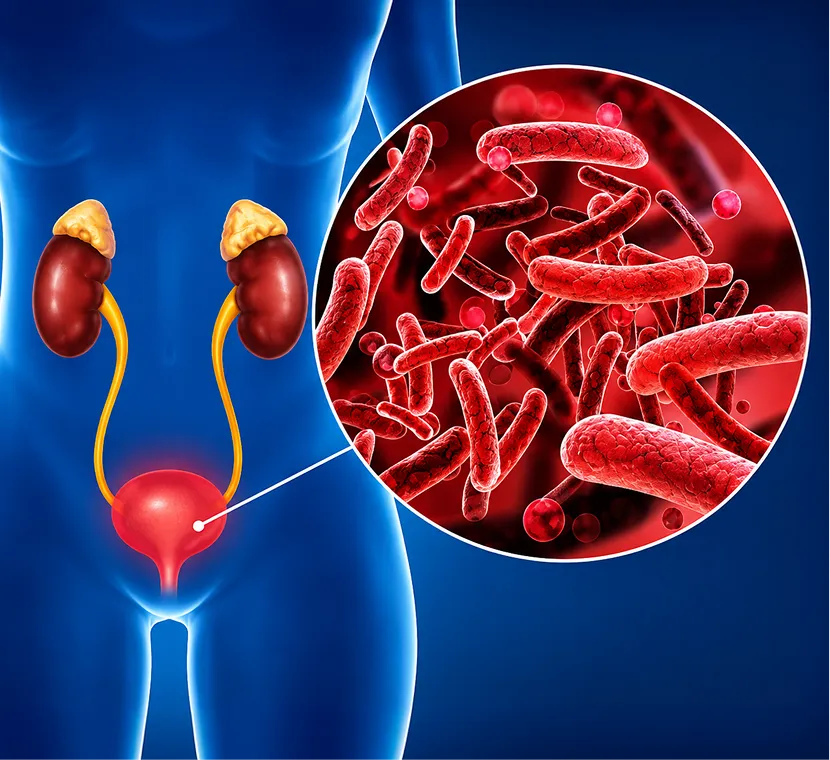
Bladder infection (Cystitis):
The most common type of UTI, occurring when bacteria infect the bladder. It causes discomfort during urination and frequent urges to urinate.
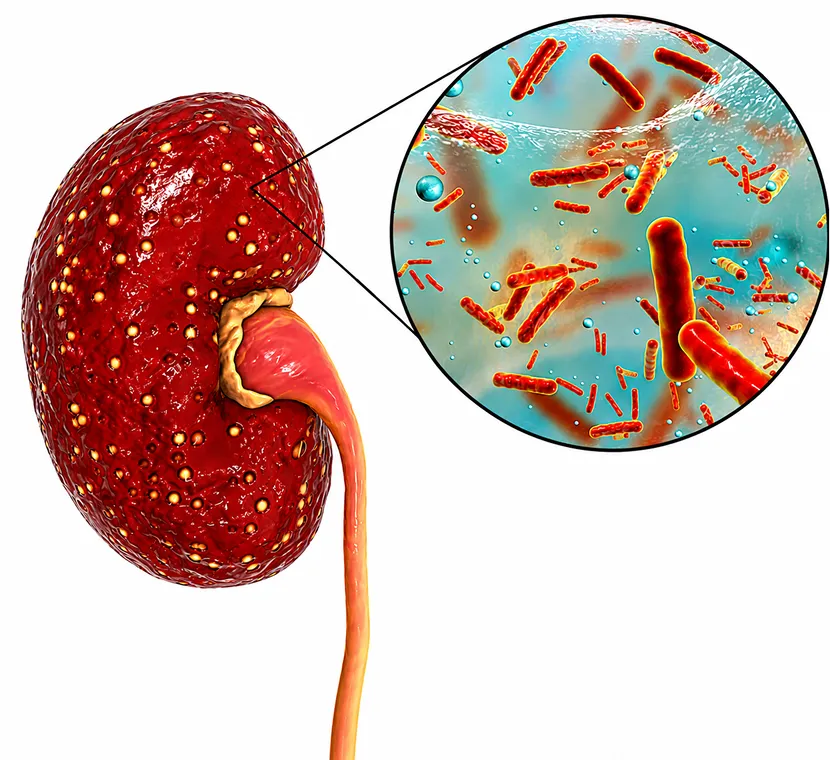
Kidney infection (Pyelonephritis):
A less common but more serious infection where bacteria reach the kidneys, often from an untreated bladder infection.

Urethritis:
An infection limited to the urethra, the tube that carries urine out of the body.
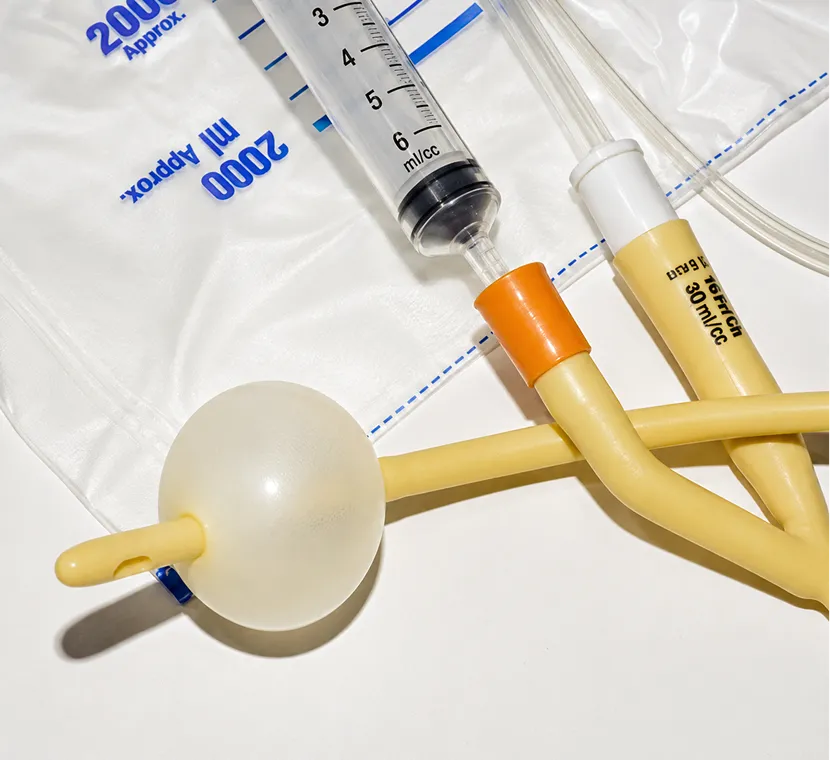
Catheter-associated UTI (CAUTI):
A UTI that develops in patients who have a urinary catheter in place, common in hospitalised or long-term care settings.
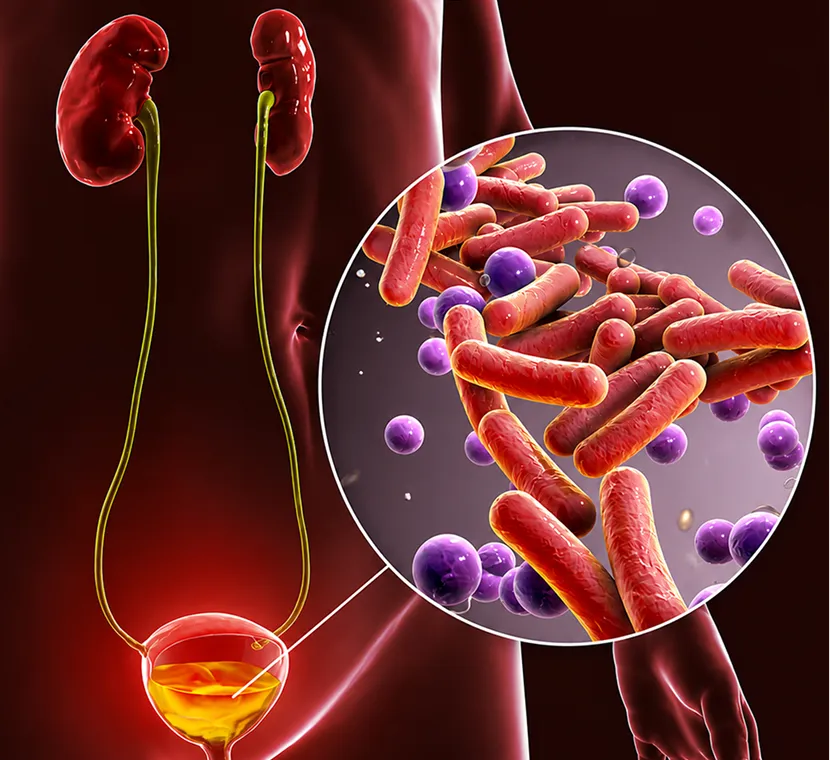
Recurrent UTI:
Defined as two or more confirmed infections within six months, or three or more within a year. More common in women and requires targeted investigation and management.
Symptoms of Urinary Tract Infection


Causes of Urinary Tract Infection
UTIs develop when bacteria enter the urinary tract and multiply faster than the body can clear them.

Bacterial entry via the urethra:

The most common route, often involving E. coli bacteria from the digestive tract. Women are at higher risk because of their shorter urethra and its proximity to the rectum.
Sexual activity:
Intercourse can introduce bacteria into the urinary tract, increasing infection risk.
Changes in vaginal flora:
Hormonal shifts from menopause or the use of spermicides can alter the natural bacterial environment, making infection more likely.
Urinary tract abnormalities:
Structural problems such as an enlarged prostate, kidney stones, or blockages can impede normal urine flow and create conditions for infection.
Weakened immune system:
Conditions like diabetes or immunosuppressive treatments reduce the body's ability to fight off infection, including in the urinary tract.
Urinary catheters:
Long-term catheter use significantly raises the risk of hospital-acquired UTIs.
Treatment Options for Urinary Tract Infection
Treatment depends on the severity, location of the infection, and any underlying factors.

When to See a Urologist
- Pain or burning during urination that does not resolve within a few days
- Recurrent UTIs (two or more in six months)
- Blood in the urine
- Fever, chills, or back pain alongside urinary symptoms, which may indicate a kidney infection
- Urinary symptoms in men, children, or pregnant women
- UTI symptoms in someone with diabetes, kidney disease, or a compromised immune system

Early evaluation can help manage symptoms sooner and lower the risk of related complications.
Book An AppointmentComprehensive healthcare backed by experience, advanced infrastructure, and patient-first care
Thousands of patients across specialities have trusted Cura for their care.
Round-the-clock access to emergency care and medicines across both campuses.
Fully equipped inpatient facilities to support your recovery comfortably.
Every process meets a nationally recognised standard for patient safety and quality.
40+ insurance and TPA partners accepted across both campuses.
Questions? Answered.
UTIs are most commonly caused by bacteria, particularly E. coli, entering the urethra and travelling into the urinary tract. Risk factors include sexual activity, urinary tract abnormalities, hormonal changes, catheter use, and a weakened immune system.
The three most common signs are a burning or painful sensation during urination, a frequent and urgent need to urinate even when the bladder is empty, and cloudy or unusually strong-smelling urine. If accompanied by fever or back pain, a kidney infection may be involved.
Most UTIs are treated with a short course of antibiotics prescribed by a doctor. It is important to complete the full course even if symptoms improve early. Staying hydrated and urinating frequently can support recovery. Kidney infections or complicated cases may require stronger medication or hospital care.
Avoid holding in urine, as this allows bacteria to multiply in the bladder. Reduce or avoid caffeine, alcohol, and spicy foods, which can irritate the urinary tract. Do not stop antibiotics early, and do not attempt to self-treat with supplements alone without confirming the diagnosis with a doctor.
In many cases, yes. Staying well hydrated, urinating after sexual activity, wiping front to back, and avoiding irritants like harsh soaps or douches in the genital area all reduce risk. Women prone to recurrent UTIs may benefit from preventive antibiotic strategies or hormonal management after menopause, under medical guidance.