
Throat Cancer

What Is Throat Cancer ?
Throat cancer is a broad term for cancers that develop in the throat (pharynx) or voice box (larynx). Early symptoms are often mistaken for common conditions like a sore throat or cold, which is why persistent symptoms lasting more than two weeks should always be evaluated by a specialist. Most throat cancers are treatable, and outcomes are significantly better when caught early.

Types Of Throat Cancer
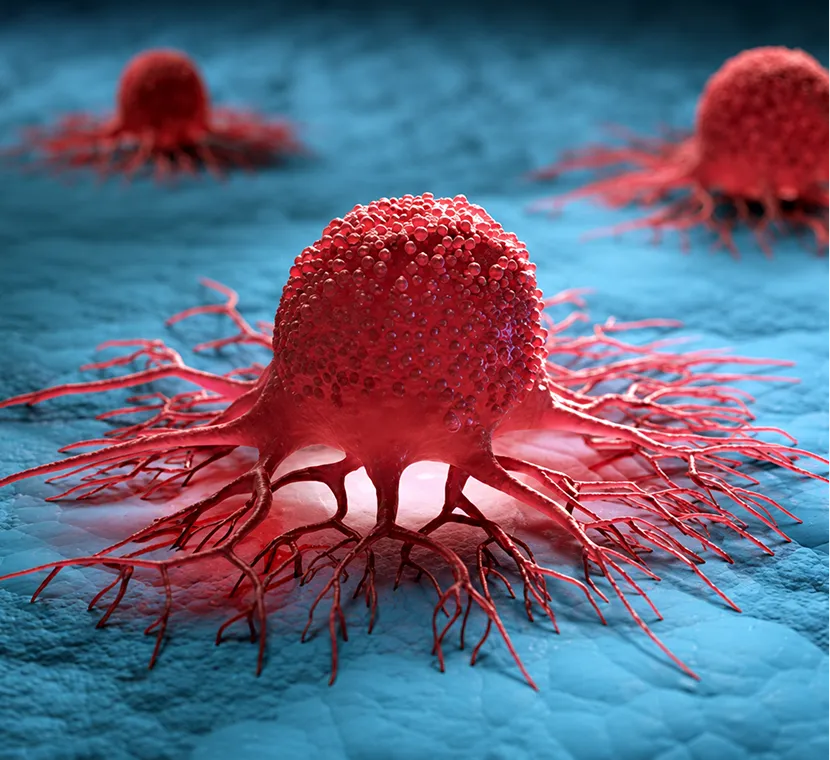
Oropharyngeal Cancer:
The most common form, affecting the middle part of the throat including the tonsils and base of the tongue, and increasingly linked to HPV infection.
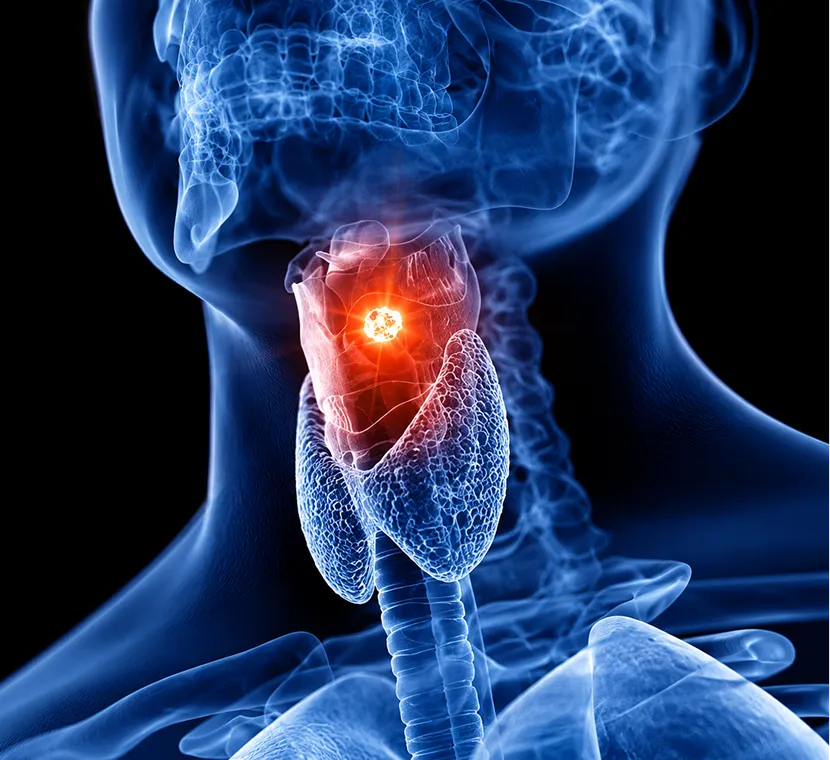
Laryngeal Cancer:
Develops in the voice box and is often first noticed through persistent hoarseness or changes in the voice.

Hypopharyngeal Cancer:
Affects the lower part of the throat just above the oesophagus, and is typically diagnosed at a more advanced stage due to few early symptoms.
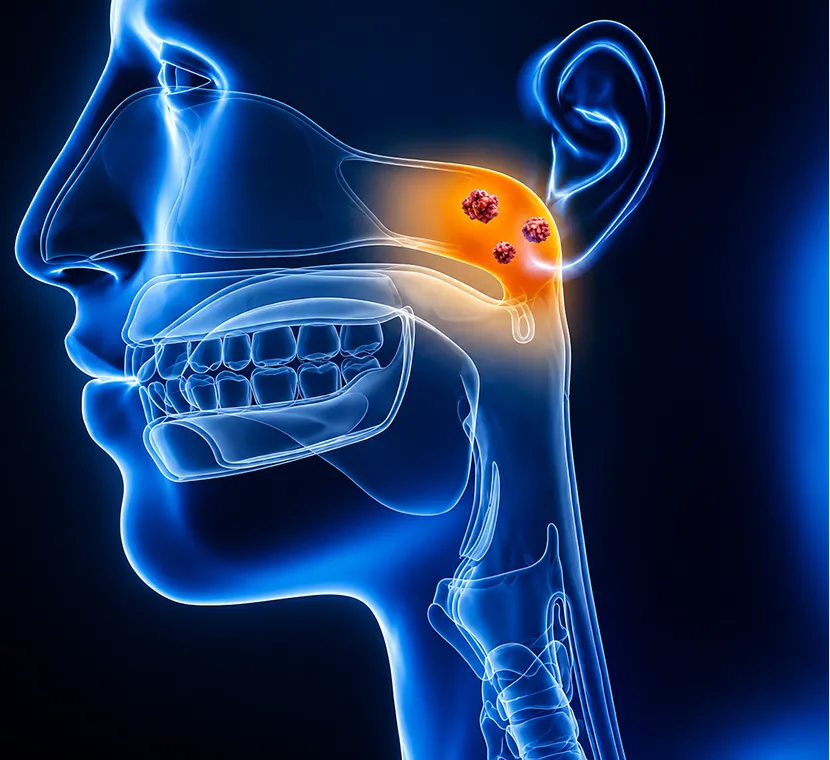
Nasopharyngeal Cancer:
Originates behind the nose in the upper part of the throat, and is more prevalent in parts of South and Southeast Asia.
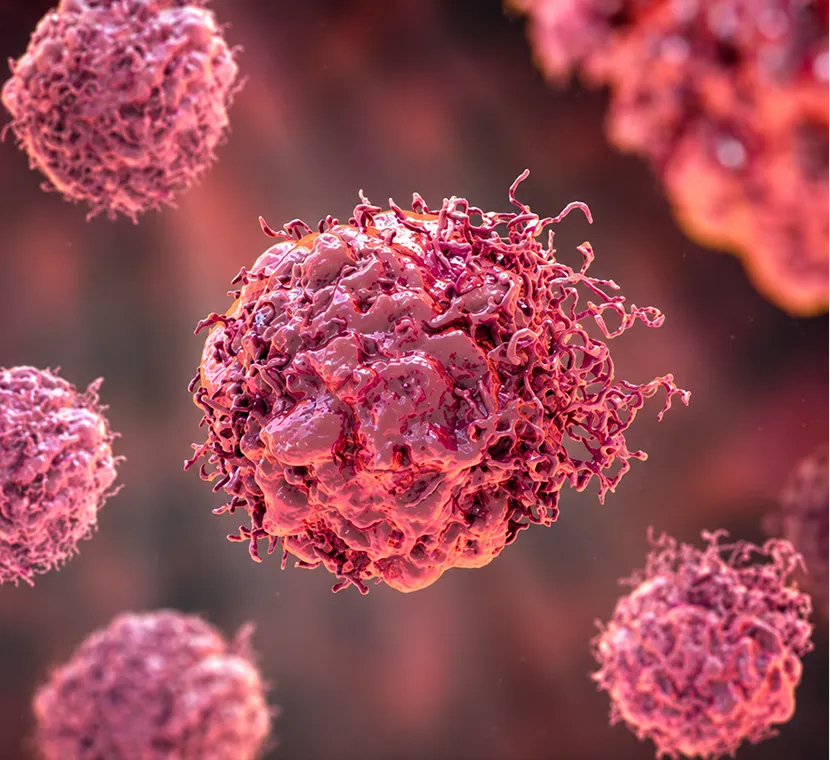
Glottic, Supraglottic, and Subglottic Cancer:
Subtypes of laryngeal cancer classified by exactly where in the voice box the tumour forms.
Symptoms of Throat Cancer


Causes of Throat Cancer

Tobacco use:

Smoking and all other forms of tobacco are the single largest risk factor for developing throat cancer.
HPV infection:
Human papillomavirus, transmitted through oral sexual contact, is now the most common cause of new throat cancer cases in developed countries.
Heavy alcohol consumption:
Excess alcohol is independently linked to throat cancer, with the risk multiplying significantly when combined with tobacco use.
Epstein-Barr virus (EBV):
The virus responsible for glandular fever has been associated with an increased risk of nasopharyngeal cancer in particular.
Poor diet and nutritional deficiencies:
A diet low in fruits and vegetables has been linked to higher throat cancer risk, as these foods contain protective antioxidants.
Prolonged acid reflux (GERD):
Chronic reflux can repeatedly expose throat tissue to stomach acid, increasing the risk of cellular changes over time.
Treatment Options for Throat Cancer
Treatment depends on the type, location, and stage of the cancer.

When to See an Oncologist
Comprehensive healthcare backed by experience, advanced infrastructure, and patient-first care.
- A sore throat, hoarseness, or swallowing difficulty lasting more than two weeks
- A painless lump in the neck or throat
- Unexplained ear pain or blood in saliva or phlegm
- A history of heavy smoking, alcohol use, or HPV-related diagnosis
- Prior head and neck cancer requiring follow-up monitoring

Early evaluation can help manage symptoms sooner and lower the risk of related complications.
Book An AppointmentComprehensive healthcare backed by experience, advanced infrastructure, and patient-first care
Thousands of patients across specialities have trusted Cura for their care.
Round-the-clock access to emergency care and medicines across both campuses.
Fully equipped inpatient facilities to support your recovery comfortably.
Every process meets a nationally recognised standard for patient safety and quality.
40+ insurance and TPA partners accepted across both campuses.
Questions? Answered.
Yes, many throat cancers are curable, especially when caught at an early stage before the cancer has spread.
The earliest signs are typically a persistent sore throat, hoarseness that does not improve, ear pain, or a noticeable lump in the neck.
Stage 1 means the tumour is small and confined to its original site, with no spread to nearby lymph nodes or other parts of the body.
Avoiding tobacco, limiting alcohol, getting vaccinated against HPV, and maintaining a diet rich in fruits and vegetables are the most effective preventive measures.
Yes, recurrence is possible, which is why regular follow-up appointments and imaging are a critical part of post-treatment care.