
Shingles

What Is Shingles ?
Shingles, medically known as herpes zoster, is a viral infection caused by the varicella-zoster virus, the same virus responsible for chickenpox. After a chickenpox infection, the virus doesn’t leave the body. It lies dormant in nerve tissue near the spinal cord and brain, sometimes for decades, and can reactivate years later as shingles.
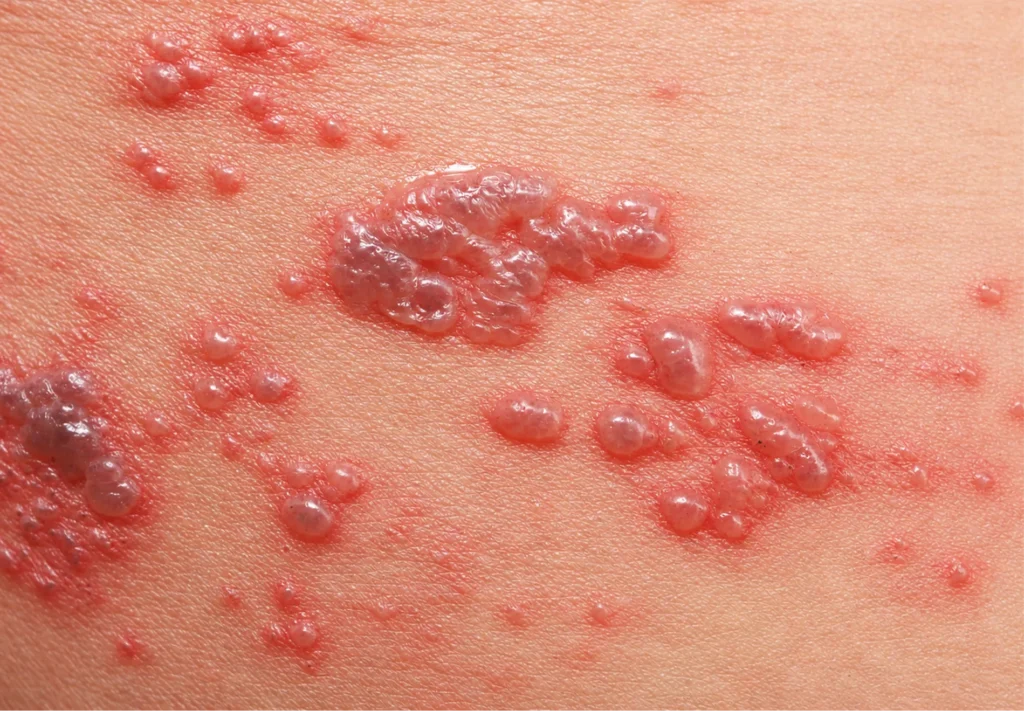
Symptoms ofShingles
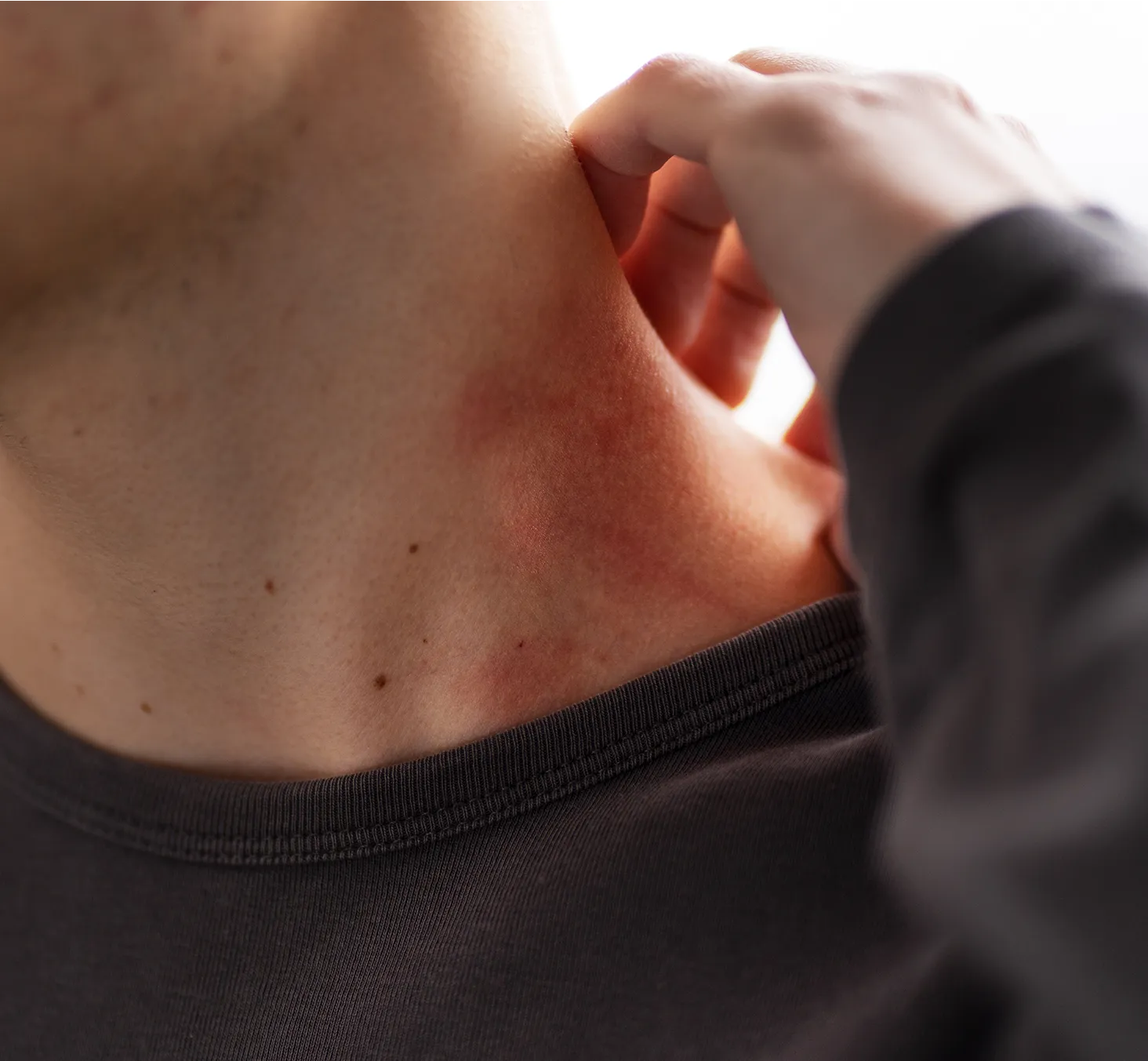

Causes ofShingles
Shingles is caused by the reactivation of the varicella-zoster virus in people who have previously had chickenpox. The virus never fully leaves the body after the initial infection; it stays inactive in nerve tissue and can re-emerge when immunity weakens.

Ageing:

The most common trigger, as immune function naturally declines with age. Shingles most commonly affects people over 50.
Weakened immunity:
Conditions like HIV, cancer, or autoimmune disorders lower the body's ability to keep the virus dormant.
Immunosuppressive medication:
Long-term use of steroids, chemotherapy, or drugs used after organ transplants can trigger reactivation.
High stress or illness:
Periods of significant physical or emotional stress can temporarily suppress immune response, creating an opening for the virus.
Treatment Options for Shingles

When to See a Specialist
Contact a doctor as soon as possible if you suspect shingles, particularly if:
- The rash appears near or around an eye
- You are over 50 or have a weakened immune system
- Pain is severe or spreading rapidly
- You develop high fever alongside the rash
- Symptoms affect a wide area of the body

Early evaluation can help manage symptoms sooner and lower the risk of related complications.
Book An AppointmentComprehensive healthcare backed by experience, advanced infrastructure, and patient-first care
Thousands of patients across specialities have trusted Cura for their care.
Round-the-clock access to emergency care and medicines across both campuses.
Fully equipped inpatient facilities to support your recovery comfortably.
Every process meets a nationally recognised standard for patient safety and quality.
40+ insurance and TPA partners accepted across both campuses.
Questions? Answered.
Antiviral medication started within 72 hours of the rash appearing is the most effective treatment, helping shorten the infection and reduce the risk of long-term nerve pain.
Avoid touching or scratching the rash, contact with people who haven’t had chickenpox or the vaccine, and anything that increases stress or weakens immunity further. Tight clothing over the rash can also worsen discomfort.
Most cases resolve in two to six weeks. Pain and fatigue can linger beyond the rash, and some people develop postherpetic neuralgia, where nerve pain continues for months afterward.
Starting antiviral treatment early, getting adequate rest, managing pain with prescribed medication, and using cool compresses on the rash. Keeping stress low and eating well also support recovery.
Yes. The Shingrix vaccine is recommended for adults over 50 and significantly reduces the risk of developing shingles and its complications, even in those who have already had it once.