
Polycystic Ovary Syndrome (PCOS)

What Is Polycystic Ovary Syndrome (PCOS)?
Polycystic Ovary Syndrome, now also referred to as Polyendocrine Metabolic Ovarian Syndrome (PMOS), is a common hormonal condition affecting people of reproductive age. It occurs when the ovaries produce higher-than-typical levels of androgens, hormones that are usually more dominant in men. This hormonal imbalance can disrupt ovulation, leading to irregular periods and, in some cases, the formation of small fluid-filled sacs along the edges of the ovaries.
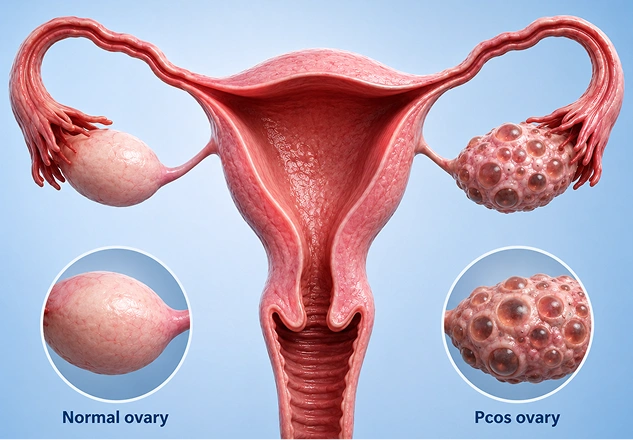
Symptoms of Polycystic Ovary Syndrome (PCOS)
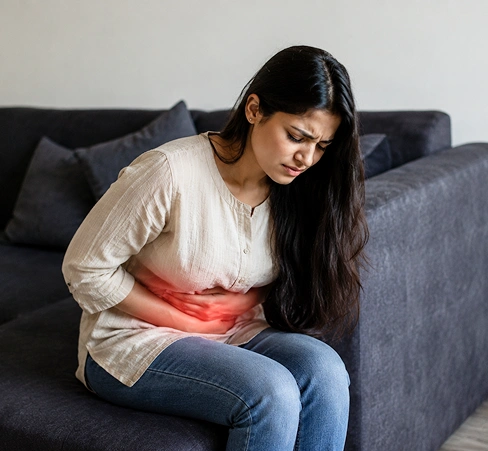
PCOS symptoms vary widely between individuals; some experience several signs, others very few. A diagnosis is typically made when at least two of the following are present

Causes of Polycystic Ovary Syndrome (PCOS)
The exact cause of PCOS isn't fully understood, but several interconnected factors are believed to contribute:

Insulin resistance

When the body doesn't respond well to insulin, it produces more of it. Excess insulin can trigger the ovaries to release higher levels of androgens.
Genetics
A family history of PCOS increases the likelihood of developing the condition.
Excess androgen production
Elevated or overly active androgen hormones can interfere with ovulation and contribute to hair growth and acne.
Low-grade inflammation
Many women with PCOS show signs of chronic inflammation, which may further stimulate androgen production.
Treatment Options For Polycystic Ovary Syndrome (PCOS)
There's no single cure for PCOS, but treatment can manage symptoms effectively and reduce long-term health risks. The right approach depends on individual symptoms and whether pregnancy is being planned.

When to See a Gynaecologist
It's advisable to consult a gynaecologist if you experience:
- Irregular, missed, or heavy periods
- New facial hair or persistent acne
- Trouble conceiving after a few months
- Sudden, unexplained weight gain
- Symptoms affecting daily life or mood

Early evaluation can help manage symptoms sooner and lower the risk of related complications.
Book An AppointmentComprehensive healthcare backed by experience, advanced infrastructure, and patient-first care
Thousands of patients across specialities have trusted Cura for their care.
Round-the-clock access to emergency care and medicines across both campuses.
Fully equipped inpatient facilities to support your recovery comfortably.
Every process meets a nationally recognised standard for patient safety and quality.
40+ insurance and TPA partners accepted across both campuses.
Questions? Answered.
PMOS stands for ‘Polyendocrine Metabolic Ovarian Syndrome’, the updated terminology for what was formerly known as ‘Polycystic Ovary Syndrome’ (PCOS).
Yes. Leading health organisations have moved toward using PMOS to better reflect the condition’s hormonal and metabolic nature, rather than focusing only on the ovarian cysts that some, but not all, patients develop. The two terms refer to the same condition.
Diagnosis usually involves a review of symptoms and medical history, a physical exam, blood tests to check hormone and glucose levels, and a pelvic ultrasound to examine the ovaries. A diagnosis is generally confirmed when at least two of three criteria are met: irregular ovulation, signs of excess androgen, and polycystic-appearing ovaries on ultrasound.
Common symptoms include irregular periods, excess hair growth, acne, weight gain, thinning scalp hair, and difficulty conceiving. Symptoms can range from mild to severe and may evolve over time.
Many people manage PCOS successfully through a combination of lifestyle changes and medical treatment. While there’s no permanent cure, symptoms often become easier to manage with consistent care, and most people are able to lead full, healthy lives, including building families when that’s a goal.