
High Cholesterol

What Is High Cholesterol ?
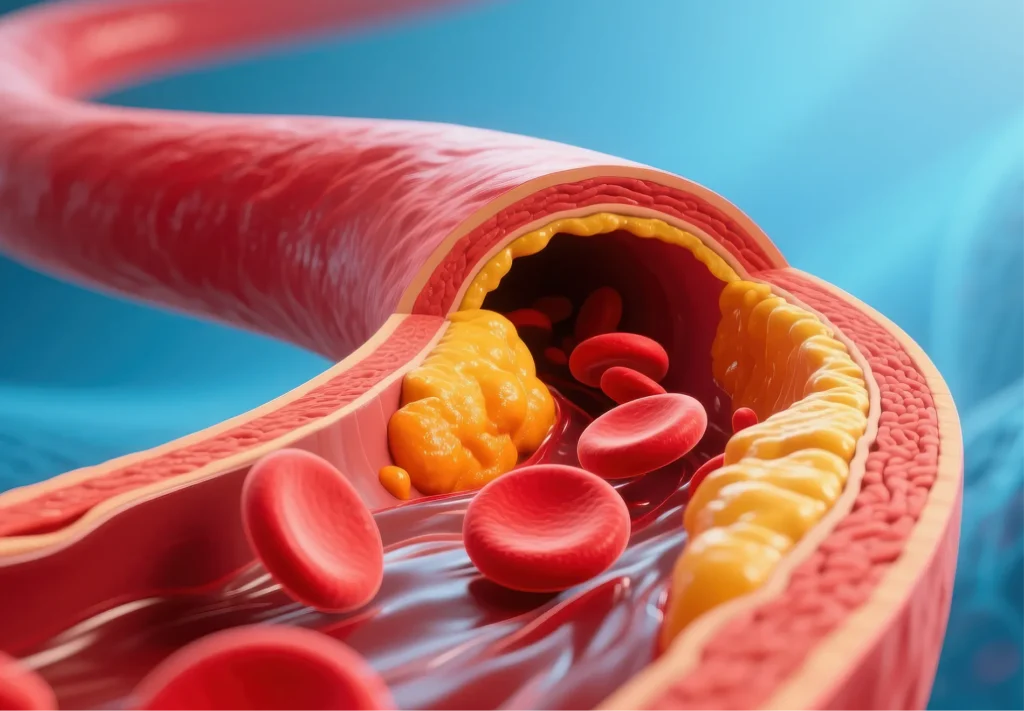
Cholesterol is a fatty substance the body needs to build healthy cells, but when levels become too high, it can create serious problems. High cholesterol (also called hyperlipidemia) means there is an excess of cholesterol circulating in the bloodstream, particularly LDL (low-density lipoprotein), often called “bad” cholesterol.
Symptoms ofHigh Cholesterol
High cholesterol has no symptoms on its own. It's typically discovered through a routine blood test. The first sign is often a complication such as:


Causes ofHigh Cholesterol

Unhealthy diet:

High intake of saturated fats, trans fats, and cholesterol-rich foods raises LDL levels.
Physical inactivity:
Regular exercise raises HDL (good cholesterol) and lowers LDL; a sedentary lifestyle does the opposite.
Obesity:
Excess weight is linked to higher LDL and lower HDL cholesterol.
Genetics:
Familial hypercholesterolemia is an inherited condition causing very high cholesterol from birth, regardless of lifestyle.
Age:
Cholesterol levels tend to rise with age.
Underlying conditions:
Diabetes, kidney disease, hypothyroidism, and liver disease can all contribute.
Certain medications:
Some drugs used for blood pressure, transplant rejection, or heart rhythm can worsen cholesterol levels.
Treatment Options forHigh Cholesterol

When to See a Specialist
- A blood test reveals high LDL or total cholesterol
- Family history of early heart disease or inherited high cholesterol
- Existing heart disease, diabetes, or high blood pressure
- Cholesterol not improving despite lifestyle changes
Early evaluation can help manage symptoms sooner and lower the risk of related complications.
Book An AppointmentComprehensive healthcare backed by experience, advanced infrastructure, and patient-first care
Thousands of patients across specialities have trusted Cura for their care.
Round-the-clock access to emergency care and medicines across both campuses.
Fully equipped inpatient facilities to support your recovery comfortably.
Every process meets a nationally recognised standard for patient safety and quality.
40+ insurance and TPA partners accepted across both campuses.
Questions? Answered.
A combination of dietary changes, regular exercise, and statins is the most effective approach for most people. Your doctor will tailor the plan based on your cholesterol levels and overall cardiovascular risk.
Cutting saturated and trans fats, increasing soluble fibre, and starting statin medication (if prescribed) can produce noticeable changes within weeks. Lifestyle changes alone typically take a few months to show full effect.
Green tea and plant sterol-fortified drinks have some evidence behind them, but no single drink is a fix. Staying well-hydrated and replacing sugary drinks and alcohol with water or unsweetened options supports overall cholesterol management.
Red meat, full-fat dairy, fried foods, processed snacks, and anything with trans fats or partially hydrogenated oils. These raise LDL and contribute to plaque buildup over time.
In many cases, yes. Sustained lifestyle changes and medication can bring cholesterol into a healthy range and reduce cardiovascular risk significantly, though people with genetic forms of high cholesterol will typically need lifelong management.