
GERD

What Is GERD?
Gastroesophageal Reflux Disease, commonly known as GERD, occurs when stomach acid frequently flows back into the food pipe (esophagus), irritating its lining. Occasional acid reflux is common, but when it happens repeatedly over time, it’s classified as GERD.
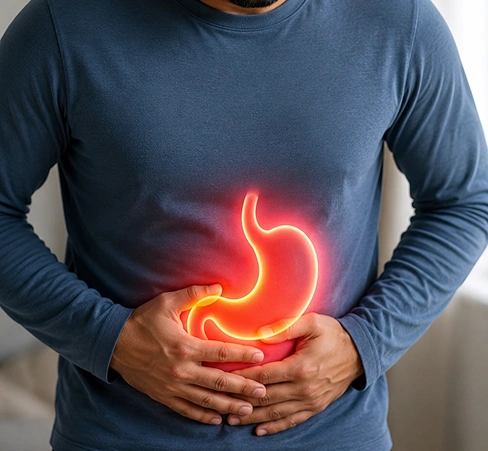
Symptoms of GERD

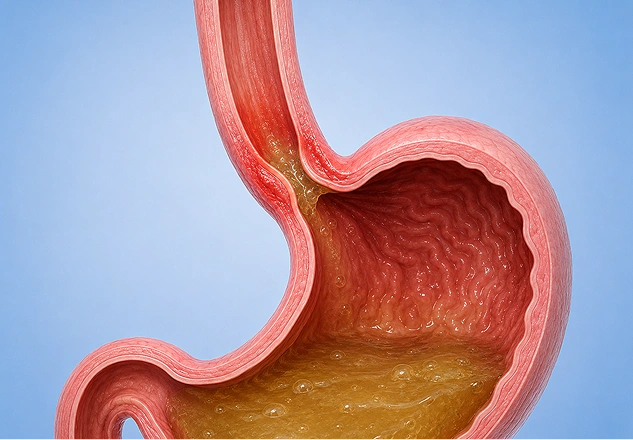
Causes of GERD
GERD develops when the lower esophageal sphincter doesn't function as it should, allowing stomach acid to flow back up.

Weak or relaxed sphincter

The valve fails to close properly after food passes through.
Hiatal hernia
Part of the stomach pushes up through the diaphragm, affecting the sphincter's function.
Obesity
Excess weight puts pressure on the abdomen, pushing acid upward.
Pregnancy
Hormonal changes and pressure from the growing uterus can trigger reflux.
Delayed stomach emptying
Food staying in the stomach longer increases the chance of reflux.
Treatment Options For GERD
Treatment usually starts conservatively and escalates only if needed.

When to See an Gastroenterologist
It's advisable to consult a Gastroenterologist if you experience:
- Heartburn that occurs more than twice a week
- Symptoms that don't improve with over-the-counter medication
- Trouble or pain while swallowing
- Unexplained weight loss alongside reflux symptoms
- Chronic cough, hoarseness, or worsening asthma linked to reflux

Early evaluation can help manage symptoms sooner and lower the risk of related complications.
Book An AppointmentComprehensive healthcare backed by experience, advanced infrastructure, and patient-first care
Thousands of patients across specialities have trusted Cura for their care.
Round-the-clock access to emergency care and medicines across both campuses.
Fully equipped inpatient facilities to support your recovery comfortably.
Every process meets a nationally recognised standard for patient safety and quality.
40+ insurance and TPA partners accepted across both campuses.
Questions? Answered.
Simple steps like eating smaller meals, avoiding trigger foods, not lying down right after eating, and elevating the head while sleeping can ease symptoms. Over-the-counter antacids or acid reducers can also help for occasional flare-ups.
GERD is usually diagnosed based on symptoms and medical history, sometimes confirmed with an upper endoscopy, pH monitoring, or imaging tests if complications are suspected.
For many people, GERD can be managed effectively with lifestyle changes and medication, though it tends to be a long-term condition rather than something that disappears completely. Some people achieve lasting relief through surgery if other treatments aren’t effective.
Common symptoms include heartburn, acid backing up into the throat, chest pain, trouble swallowing, a lump-in-throat sensation, chronic cough, hoarseness, and disrupted sleep.
While GERD is usually a chronic condition managed long-term, certain surgical procedures can offer lasting relief for people who don’t respond well to medication or lifestyle changes alone.