
Endometriosis

What Is Endometriosis?
Endometriosis is a condition where tissue similar to the uterine lining grows outside the uterus, most often affecting the ovaries, fallopian tubes, and the tissue lining the pelvis. This tissue behaves like the normal uterine lining, thickening and bleeding with each menstrual cycle, but since it has no way to leave the body, it can cause irritation, scarring, and the formation of cysts called endometriomas.
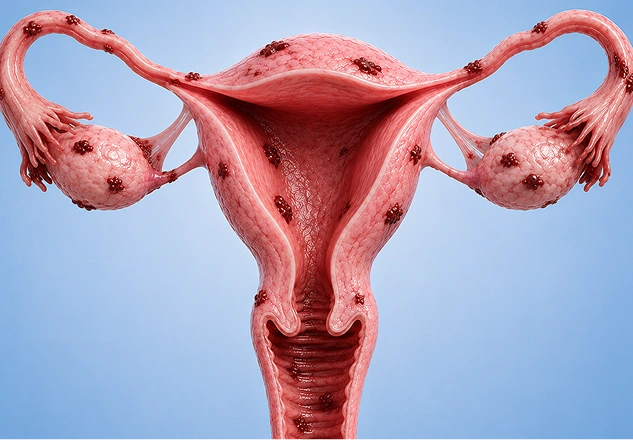
Symptoms of Endometriosis
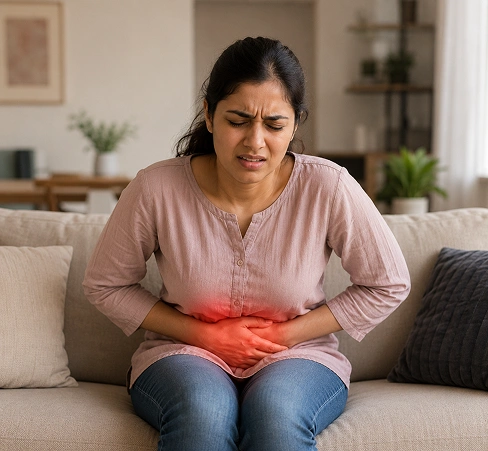

Causes of Endometriosis
The exact cause of endometriosis isn't fully understood, but several theories explain how it may develop:

Retrograde menstruation

Menstrual blood flows backward into the pelvic cavity instead of leaving the body, allowing endometrial cells to implant on pelvic organs.
Transformed cells
Hormonal or immune factors may convert other pelvic cells into endometrial-like tissue.
Embryonic cell changes
Hormones like estrogen may transform early-stage cells into endometrial-like growths during puberty.
Immune system factors
A weakened immune response may fail to recognize and clear misplaced endometrial tissue.
Genetics
A family history of endometriosis increases the likelihood of developing it.
Treatment Options For Endometriosis
Treatment is tailored to symptom severity and whether fertility is a current concern.

When to See an Gynaecologist
It's advisable to consult a gynaecologist if you experience:
- Periods that are significantly more painful than typical cramping
- Pain during sex, bowel movements, or urination
- Heavy or irregular bleeding
- Ongoing fatigue, bloating, or digestive issues tied to your cycle
- Difficulty conceiving after trying for several months
Early evaluation can help manage symptoms sooner and lower the risk of related complications.
Book An AppointmentComprehensive healthcare backed by experience, advanced infrastructure, and patient-first care
Thousands of patients across specialities have trusted Cura for their care.
Round-the-clock access to emergency care and medicines across both campuses.
Fully equipped inpatient facilities to support your recovery comfortably.
Every process meets a nationally recognised standard for patient safety and quality.
40+ insurance and TPA partners accepted across both campuses.
Questions? Answered.
Yes, many people manage endometriosis well with the right combination of pain management, hormone therapy, and lifestyle adjustments. While it requires ongoing care, most people continue to work, exercise, and maintain daily routines.
Managing endometriosis usually involves a mix of pain relief, hormonal treatment, and sometimes surgery, tailored to symptom severity. Support from a gynaecologist familiar with the condition, along with lifestyle adjustments, can make a meaningful difference.
Life with endometriosis varies widely. Some people experience mild, manageable symptoms, while others face significant pain or fertility challenges that need more active treatment. With proper care, most people find an effective way to manage their symptoms over time.
The exact cause isn’t fully understood, but it’s believed to involve a combination of factors, including retrograde menstruation, hormonal influences, immune system function, and genetics.
Endometriosis can make conceiving more difficult for some, but many people with mild to moderate endometriosis are still able to get pregnant. For those facing more significant fertility challenges, treatments like surgery or assisted reproduction can help.