
Crohn’s Disease

What Is Crohn's Disease ?
Crohn’s disease is a chronic inflammatory bowel disease that can affect any part of the digestive tract, from the mouth to the anus, though it most commonly involves the small intestine and the beginning of the large intestine. It is a lifelong condition characterised by periods of flare-ups and remission.
While there is currently no cure, the right treatment can significantly reduce symptoms, prevent complications, and allow patients to live full, active lives. Persistent digestive symptoms lasting more than a few weeks should always be evaluated by a specialist.
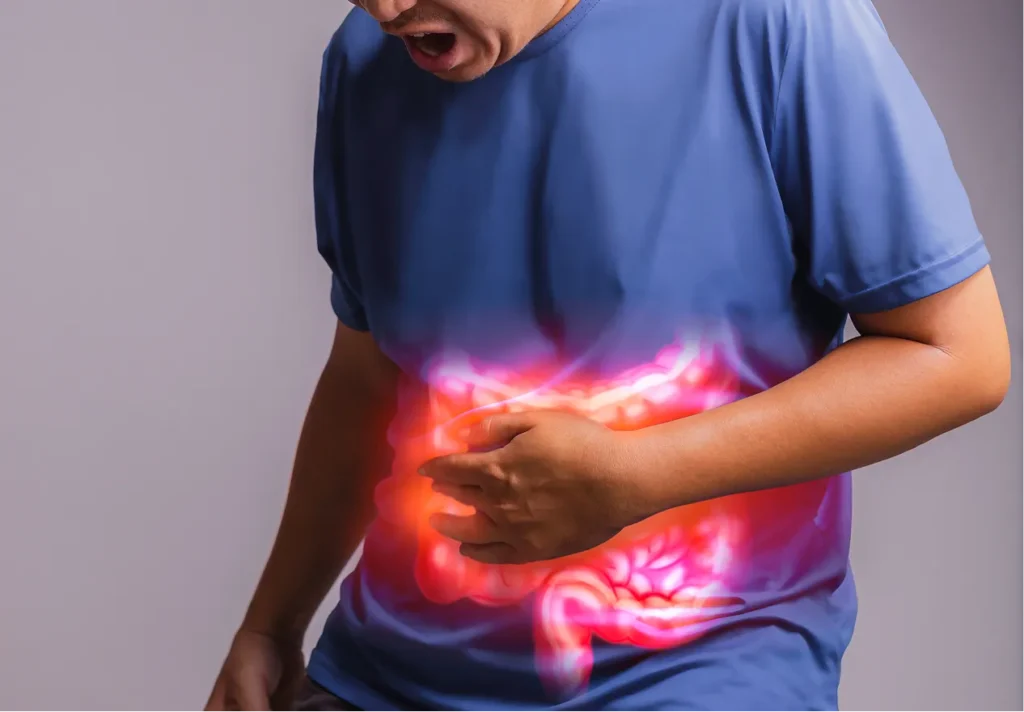
Types Of Crohn's Disease
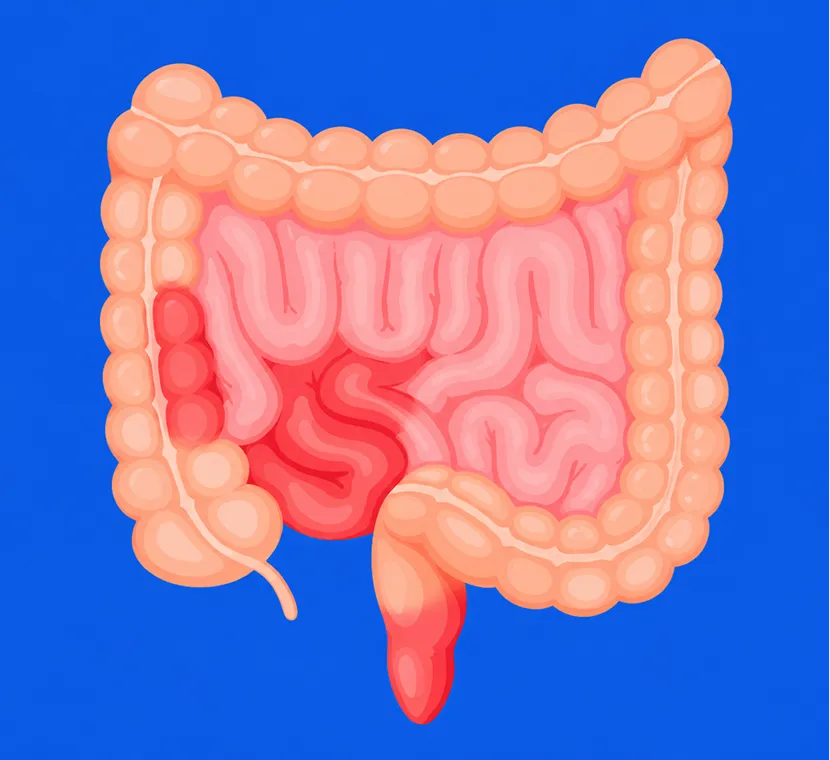
Ileocolitis:
The most common form, affecting the end of the small intestine and the beginning of the large intestine. Symptoms typically include cramping, diarrhoea, and weight loss.
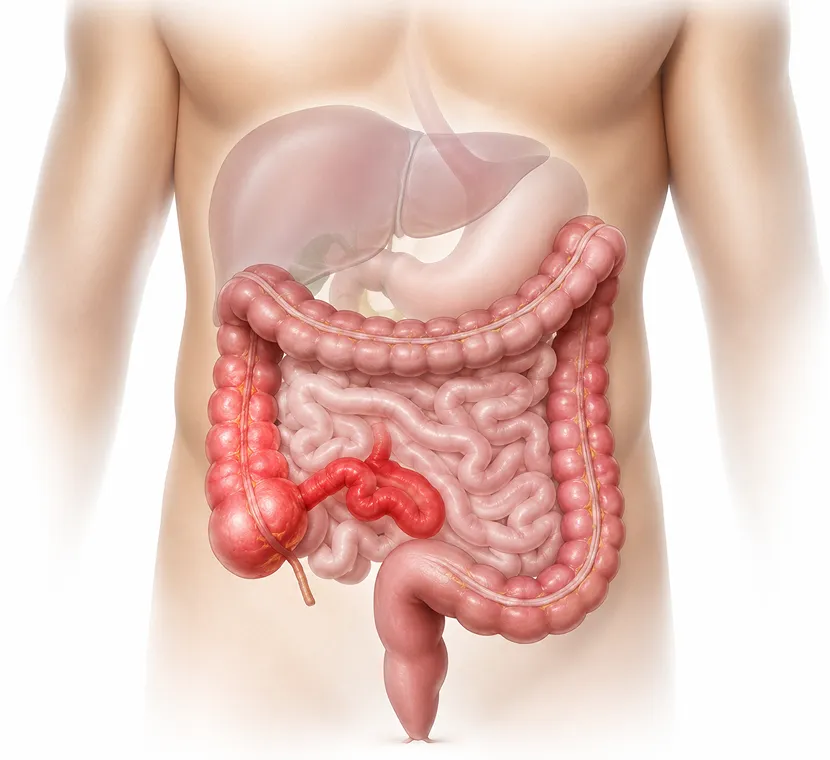
Ileitis:
Affects only the ileum, the final section of the small intestine. Complications such as fistulas or abscesses may develop in more severe cases.
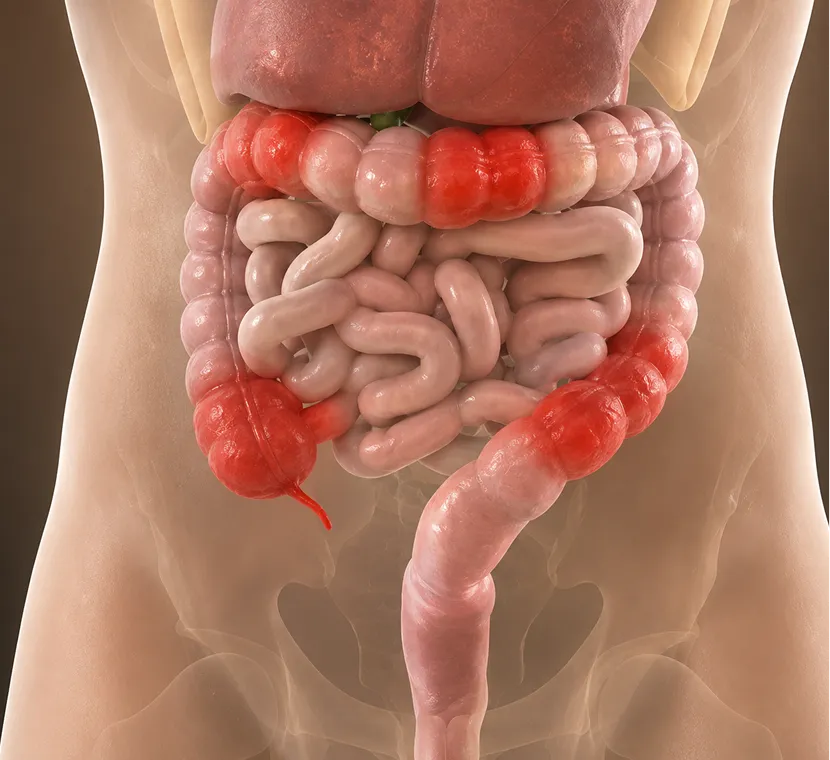
Gastroduodenal Crohn's Disease:
Involves the stomach and the beginning of the small intestine. Nausea, vomiting, and loss of appetite are common presenting symptoms.
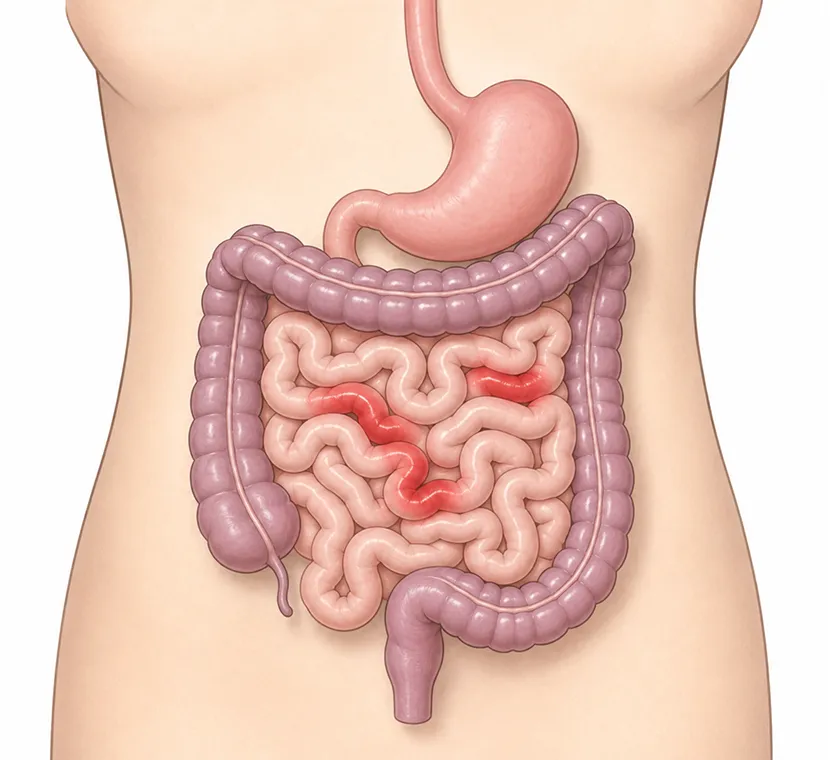
Jejunoileitis:
Causes patchy areas of inflammation in the upper part of the small intestine. Cramping and diarrhoea after eating are typical, and nutritional deficiencies are common.
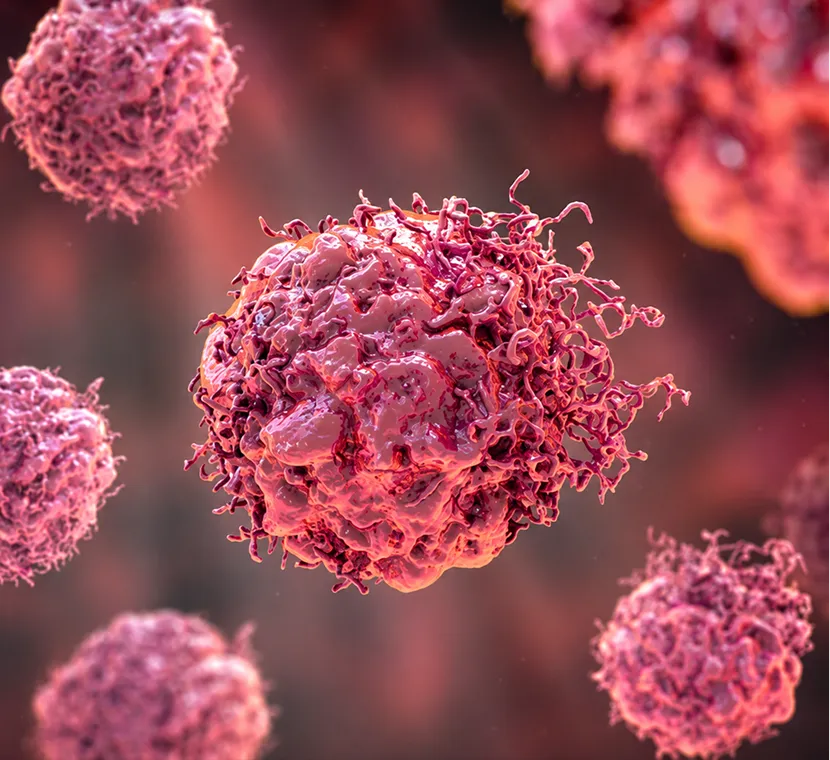
Crohn's Colitis:
Affects only the large intestine. Symptoms include diarrhoea, rectal bleeding, and skin and joint complications.
Symptoms of Crohn's Disease

Causes of Crohn's Disease

Immune system dysfunction:

In Crohn's disease, the immune system mistakenly attacks healthy cells in the digestive tract, triggering chronic inflammation. The exact cause of this response is not fully understood.
Genetics:
Around one in five people with Crohn's disease has a close relative with the same condition, suggesting a significant genetic component.
Environmental triggers:
Diet, stress, and certain medications such as anti-inflammatory painkillers and antibiotics may trigger or worsen flare-ups in susceptible individuals.
Gut microbiome imbalance:
An imbalance in the bacteria that naturally inhabit the digestive tract is thought to play a role in triggering the inflammatory response.
Smoking:
Smokers are significantly more likely to develop Crohn's disease and tend to experience more severe symptoms than non-smokers.
Previous infections:
Certain intestinal infections may alter the immune response in ways that increase the risk of developing Crohn's disease later in life.
Treatment Options for Crohn's Disease
Treatment depends on the severity, location, and pattern of the disease, and often involves a combination of approaches.

When to See an Oncologist
Persistent diarrhoea or abdominal pain lasting more than two weeks Blood in the stool or unexplained weight loss A known diagnosis of Crohn's disease requiring ongoing management or a second opinion Symptoms that have stopped responding to current medication A family history of inflammatory bowel disease

Early evaluation can help manage symptoms sooner and lower the risk of related complications.
Book An AppointmentComprehensive healthcare backed by experience, advanced infrastructure, and patient-first care
Thousands of patients across specialities have trusted Cura for their care.
Round-the-clock access to emergency care and medicines across both campuses.
Fully equipped inpatient facilities to support your recovery comfortably.
Every process meets a nationally recognised standard for patient safety and quality.
40+ insurance and TPA partners accepted across both campuses.
Questions? Answered.
There is currently no cure for Crohn’s disease, but with the right treatment many patients achieve long periods of remission and are able to live full, active lives.
The earliest signs are typically persistent diarrhoea, abdominal cramping, and unexplained weight loss. Fatigue and mouth ulcers are also common early indicators.
Both are inflammatory bowel diseases, but Crohn’s disease can affect any part of the digestive tract and involves all layers of the bowel wall, while ulcerative colitis is confined to the large intestine and affects only the innermost lining.
Diet plays an important role in managing symptoms, but it is not sufficient as a standalone treatment. Medication and, in some cases, surgery are also required to control the disease effectively.
Yes, Crohn’s disease can recur after surgery, which is why ongoing medication and regular follow-up are important even after a procedure.