
Coronary Artery Disease

What Is Coronary Artery Disease ?
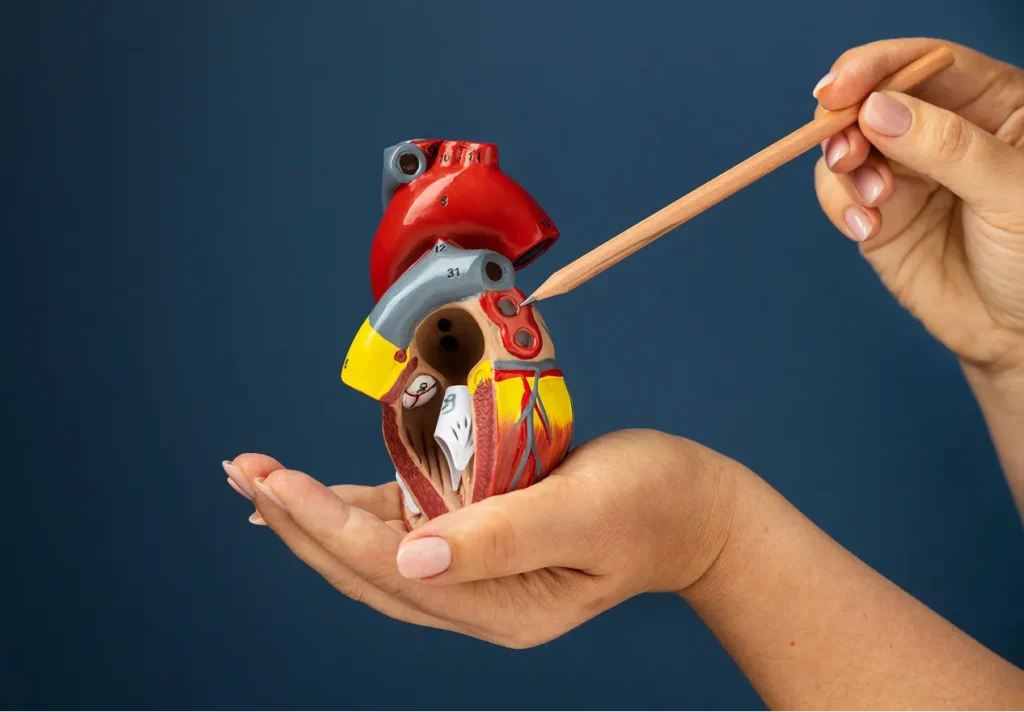
Coronary Artery Disease (CAD) is the most common form of heart disease. It occurs when the coronary arteries, the main blood vessels supplying the heart with oxygen-rich blood, become narrowed or partially blocked due to a buildup of fats, cholesterol, and other substances along their walls. This buildup is called plaque, and the process is known as atherosclerosis.
Symptoms ofCoronary Artery Disease
CAD can be present for years before symptoms appear. When they do, they typically include:


Causes ofCoronary Artery Disease
CAD develops when the coronary arteries become damaged or diseased, nearly always due to plaque accumulation over time.

High cholesterol:

Excess LDL cholesterol contributes directly to plaque buildup in artery walls.
High blood pressure:
Over time, elevated blood pressure thickens and stiffens artery walls, accelerating atherosclerosis.
Smoking:
Damages artery walls, speeds plaque formation, and significantly raises heart disease risk.
Diabetes:
Strongly linked to CAD and shares several risk factors including obesity and high blood pressure.
Sedentary lifestyle:
Physical inactivity allows risk factors like high cholesterol and obesity to go unchecked.
Unhealthy diet:
High intake of saturated fat, trans fat, salt, and sugar drives plaque accumulation.
Family history:
A close relative with early-onset heart disease significantly increases personal risk.
Age and sex:
Risk increases with age; men face higher risk earlier, while women's risk rises sharply after menopause.
Chronic stress:
Long-term emotional stress can damage artery walls and worsen other risk factors.
Treatment Options forCoronary Artery Disease
Treatment for CAD focuses on reducing symptoms, slowing disease progression, and preventing heart attack. It almost always begins with lifestyle changes, with medication and procedures added as needed.

When to See a Specialist
CAD often develops silently, so those with known risk factors should have regular cardiovascular check-ups even without symptoms.
- Chest pain, pressure, or tightness, especially during activity
- Shortness of breath that can't be explained by exertion alone
- Risk factors such as high blood pressure, high cholesterol, diabetes, or smoking
- Family history of early-onset heart disease
- Unexplained fatigue or palpitations

Early evaluation can help manage symptoms sooner and lower the risk of related complications.
Book An AppointmentComprehensive healthcare backed by experience, advanced infrastructure, and patient-first care
Thousands of patients across specialities have trusted Cura for their care.
Round-the-clock access to emergency care and medicines across both campuses.
Fully equipped inpatient facilities to support your recovery comfortably.
Every process meets a nationally recognised standard for patient safety and quality.
40+ insurance and TPA partners accepted across both campuses.
Questions? Answered.
Treatment combines lifestyle changes, medication to control cholesterol, blood pressure, and clotting, and procedures like angioplasty or bypass surgery for more severe blockages.
Not smoking, eating a low-fat, high-fibre diet, exercising regularly, managing blood pressure and cholesterol, and controlling diabetes are the most effective preventive measures.
CAD isn’t fully reversible, but it is highly manageable. With consistent lifestyle changes and treatment, progression can be slowed, symptoms controlled, and the risk of heart attack significantly reduced.
Yes. Many people with CAD live long, active lives with the right treatment plan. Early diagnosis, medication adherence, and sustained lifestyle changes make a significant difference in long-term outcomes.
Untreated CAD can progress to worsening chest pain, heart failure, irregular heart rhythms, or a heart attack. The risk compounds over time, which is why early detection and consistent management matter.