
Cirrhosis

What Is Cirrhosis ?
Cirrhosis is an advanced stage of liver scarring (fibrosis) where healthy liver tissue is progressively replaced by scar tissue, impairing the liver’s ability to function. The liver plays a critical role in filtering toxins, producing proteins, and aiding digestion, so when cirrhosis progresses, its effects extend throughout the body.
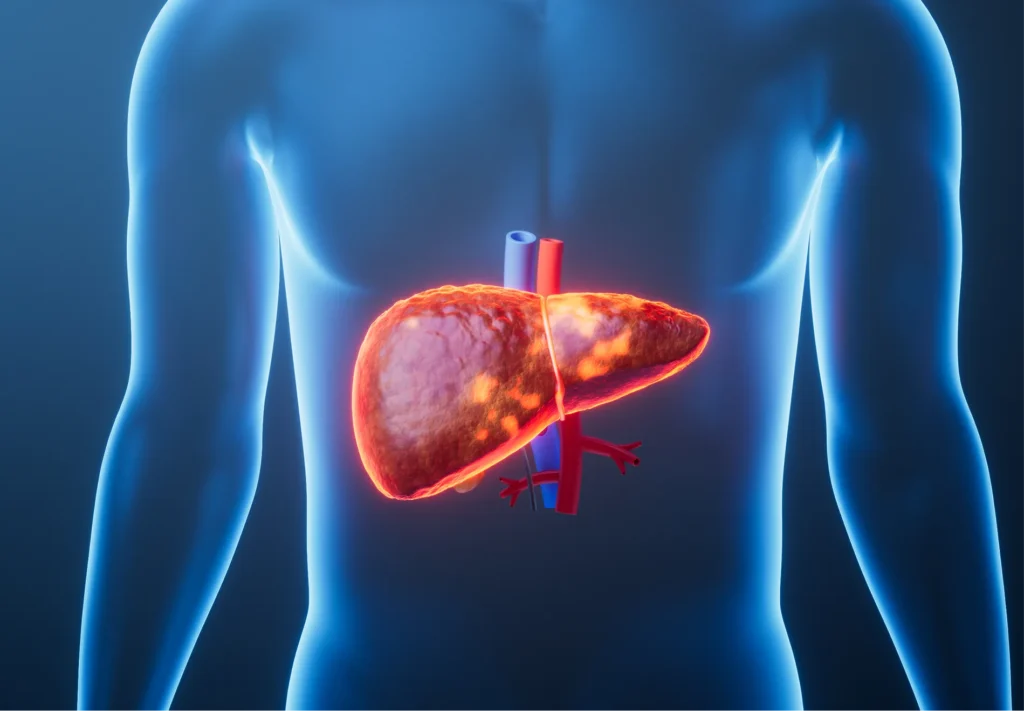
Symptoms ofCirrhosis
Early cirrhosis often has no noticeable symptoms. As damage progresses:
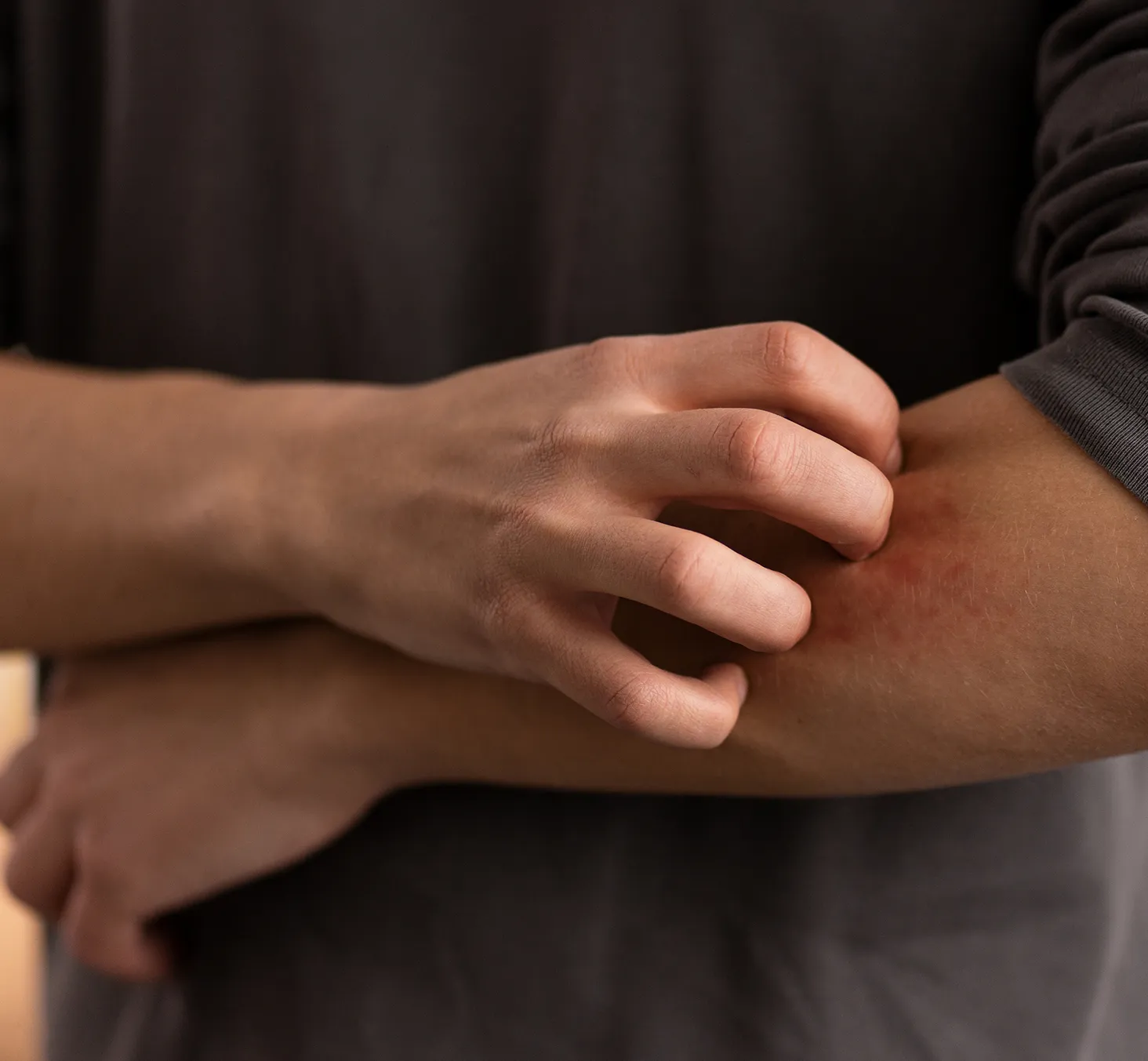

Causes ofCirrhosis

Chronic alcohol use:

One of the most common causes, causing long-term damage to liver cells.
Hepatitis B and C:
Chronic viral hepatitis infections are a leading cause of cirrhosis worldwide.
Non-alcoholic fatty liver disease (NAFLD):
Particularly when it progresses to steatohepatitis with ongoing inflammation.
Autoimmune hepatitis:
The immune system attacks liver cells, leading to chronic inflammation and scarring.
Bile duct diseases:
Conditions like primary biliary cholangitis or primary sclerosing cholangitis obstruct bile flow and damage the liver over time.
Inherited conditions:
Wilson's disease and haemochromatosis cause toxic build-up of copper or iron in the liver.
Treatment Options forCirrhosis
There is no cure for cirrhosis itself, but treatment focuses on stopping further damage and managing complications.

When to See a Specialist
- Known liver disease that may be progressing
- Unexplained fatigue, jaundice, or abdominal swelling
- A history of heavy alcohol use, hepatitis B or C, or fatty liver disease
- Confusion, bruising easily, or swelling in the legs without obvious cause

Early evaluation can help manage symptoms sooner and lower the risk of related complications.
Book An AppointmentComprehensive healthcare backed by experience, advanced infrastructure, and patient-first care
Thousands of patients across specialities have trusted Cura for their care.
Round-the-clock access to emergency care and medicines across both campuses.
Fully equipped inpatient facilities to support your recovery comfortably.
Every process meets a nationally recognised standard for patient safety and quality.
40+ insurance and TPA partners accepted across both campuses.
Questions? Answered.
Treating the root cause is the most important step, whether that means antivirals for hepatitis, stopping alcohol, or managing fatty liver disease. Medications manage complications, and a liver transplant is the only option for end-stage disease.
Yes, many people with early, compensated cirrhosis live for decades with proper management. Once cirrhosis becomes decompensated (Stage 3 and beyond), outcomes vary and depend heavily on the cause, overall health, and access to treatment.
Stage 4 is end-stage liver disease (ESLD), where the liver can no longer perform its essential functions. It carries serious complications and is life-threatening without a liver transplant.
A high-protein, low-sodium diet with plenty of fruits, vegetables, and whole grains. Alcohol must be completely avoided. Salt restriction is especially important for managing fluid retention.
Early-stage scarring may be partially reversible if the underlying cause is treated promptly. Advanced scarring (true cirrhosis) is generally permanent, though further progression can be slowed or halted.