
Cervical Cancer

What Is Cervical Cancer?
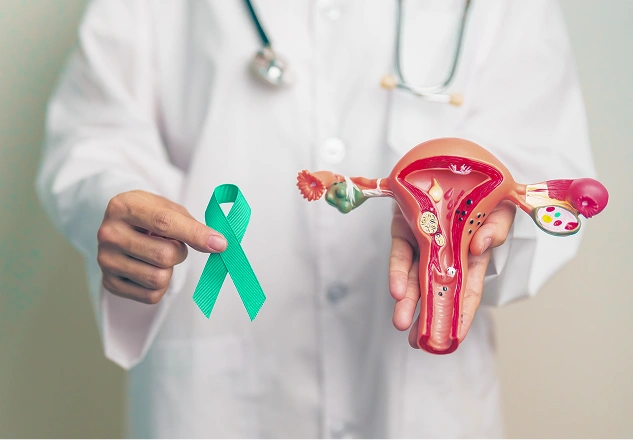
Cervical cancer develops in the cells of the cervix, the lower part of the uterus that connects to the vagina. It occurs when changes in the DNA of cervical cells cause them to multiply uncontrollably and form a tumour. Most cases are linked to persistent infection with certain strains of the human papillomavirus (HPV), a common infection spread through sexual contact.
Symptoms of Cervical Cancer
Early-stage cervical cancer often shows no symptoms at all, which is why regular screening matters. As it progresses, signs may include:


Causes of Cervical Cancer
Appendicitis is usually caused by a blockage inside the appendix, which allows bacteria to multiply rapidly and triggers inflammation.

HPV infection

The leading cause, responsible for most cervical cancers. Most HPV infections clear on their own, but persistent infection can trigger cellular changes over time.
Smoking
Makes it harder for the body to clear HPV infections, increasing risk.
Multiple sexual partners or early sexual activity
Raises the likelihood of HPV exposure.
Other STIs
Conditions like herpes, chlamydia, or HIV can further increase risk.
Weakened immune system
Reduces the body's ability to fight off HPV.
DES exposure
A rare risk factor linked to a medication used decades ago during pregnancy.
Treatment Options For Cervical Cancer
Treatment depends on the cancer's stage, type, and the patient's overall health and preferences.

When to See an Specialist
Seek immediate care if you experience:
- Unusual vaginal bleeding or discharge
- Pelvic pain or pain during intercourse
- Bleeding after menopause
- Abnormal Pap test or HPV test results
- Family history of cervical or related cancers

Early evaluation can help manage symptoms sooner and lower the risk of related complications.
Book An AppointmentComprehensive healthcare backed by experience, advanced infrastructure, and patient-first care
Thousands of patients across specialities have trusted Cura for their care.
Round-the-clock access to emergency care and medicines across both campuses.
Fully equipped inpatient facilities to support your recovery comfortably.
Every process meets a nationally recognised standard for patient safety and quality.
40+ insurance and TPA partners accepted across both campuses.
Questions? Answered.
Early cervical cancer often has no noticeable symptoms. When signs do appear, they typically include unusual vaginal bleeding, abnormal discharge, or pelvic pain.
Yes, especially when detected early. Cervical cancer has high survival rates when caught at an early stage, and treatment success depends largely on how early the diagnosis is made.
Persistent infection with certain high-risk strains of HPV is the main cause, responsible for the vast majority of cervical cancer cases.
It’s most commonly diagnosed in women between 35 and 44 years old, with the average age at diagnosis around 50. It’s rare in women under 20.
Yes, the HPV vaccine significantly reduces the risk of cervical cancer by protecting against the virus strains most commonly linked to it. It works best when given before exposure to HPV, but it’s also recommended alongside regular screening for added protection.