
Cataract

What Is Cataract ?
A cataract is a clouding of the eye’s natural lens, which sits just behind the iris and pupil. When the lens becomes cloudy, light passing through it is scattered rather than focused clearly on the retina, causing progressively blurred or hazy vision.
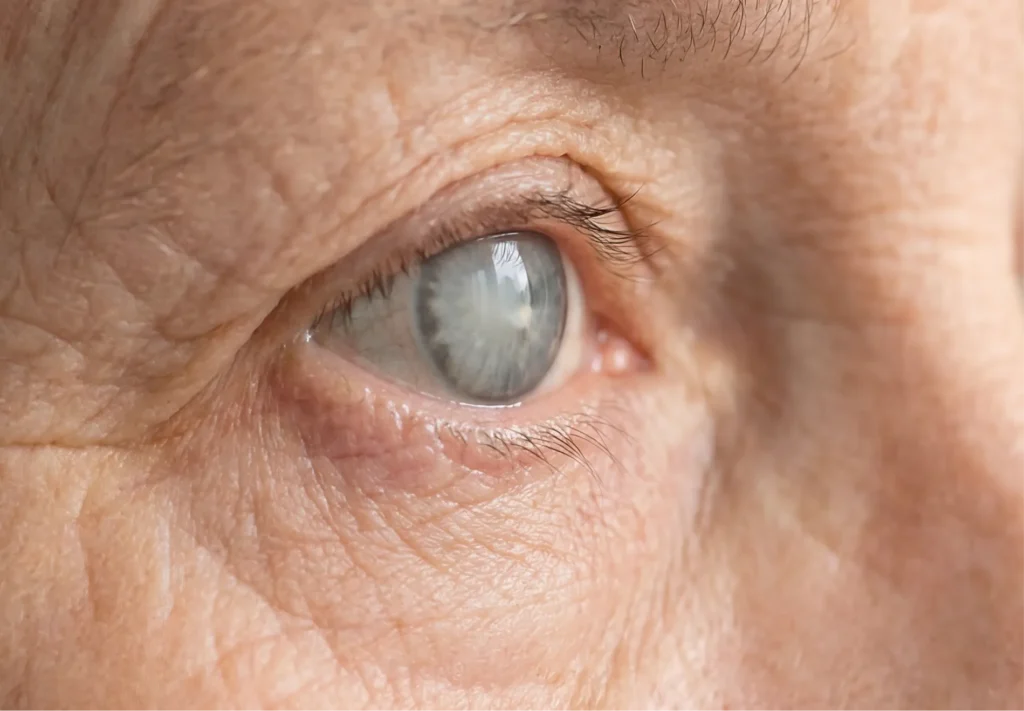
Symptoms ofCataract
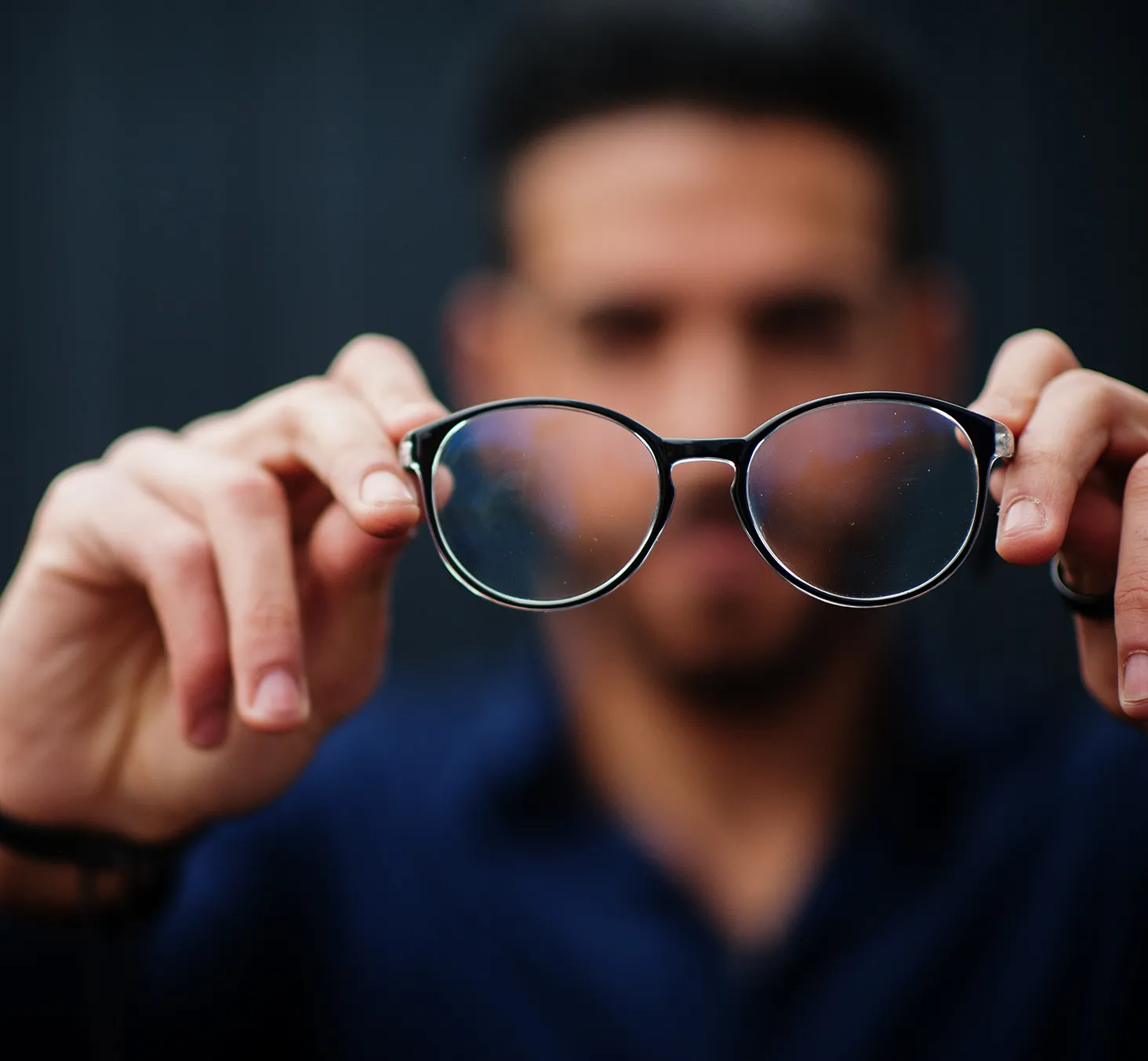

Causes ofCataract

Ageing:

The most common cause; the lens becomes less flexible and less clear over time.
Injury or trauma:
Physical damage to the eye can accelerate cataract formation.
Chronic disease:
Diabetes significantly raises cataract risk.
Prolonged steroid use:
Long-term corticosteroid medication is a known risk factor.
UV exposure:
Extended sun exposure without eye protection can contribute.
Smoking and excessive alcohol:
Both are linked to faster lens deterioration.
Previous eye surgery:
Certain procedures can increase cataract risk.
Genetics:
Some people are born with cataracts or develop them in childhood due to inherited conditions.
Treatment Options forCataract
There is no cure for cirrhosis itself, but treatment focuses on stopping further damage and managing complications.

When to See a Specialist
- Vision changes are affecting reading, driving, or daily activities
- Increasing sensitivity to light or glare
- Difficulty seeing at night
- Frequent changes in glasses or contact lens prescription
- Any sudden change in vision, which should always be evaluated promptly

Early evaluation can help manage symptoms sooner and lower the risk of related complications.
Book An AppointmentComprehensive healthcare backed by experience, advanced infrastructure, and patient-first care
Thousands of patients across specialities have trusted Cura for their care.
Round-the-clock access to emergency care and medicines across both campuses.
Fully equipped inpatient facilities to support your recovery comfortably.
Every process meets a nationally recognised standard for patient safety and quality.
40+ insurance and TPA partners accepted across both campuses.
Questions? Answered.
Cataract surgery is the only definitive treatment. It’s safe, minimally invasive, and highly effective, typically restoring clear vision quickly.
It depends on how much the cataract affects your vision. Legally and safely, both eyes need to meet minimum vision standards for driving. A specialist can assess whether your vision is safe for driving.
No treatment prevents cataracts, but wearing UV-protective sunglasses, not smoking, managing diabetes, and eating a diet rich in fruits and vegetables may slow progression.
Yes, especially in the early stages. Many people manage well with stronger glasses and better lighting. Surgery is only necessary when cataracts begin to significantly interfere with daily life.
There’s no fixed threshold. Surgery is generally recommended when cataracts affect your ability to carry out daily activities comfortably, regardless of how they appear on examination.