Cancer Treatment

What Is Cancer?
Cancer is a broad term for a group of diseases in which abnormal cells grow uncontrollably and can invade or spread to other parts of the body. Normally, cells grow, divide, divide and die in a regulated cycle. Cancer occurs when changes (mutations) in a cell’s DNA disrupt this cycle, allowing damaged cells to multiply rapidly and avoid the natural processes that would otherwise stop or eliminate them.
Types Of Cancers
Cancers are broadly classified based on the type of cell or tissue they originate from. The major categories include:
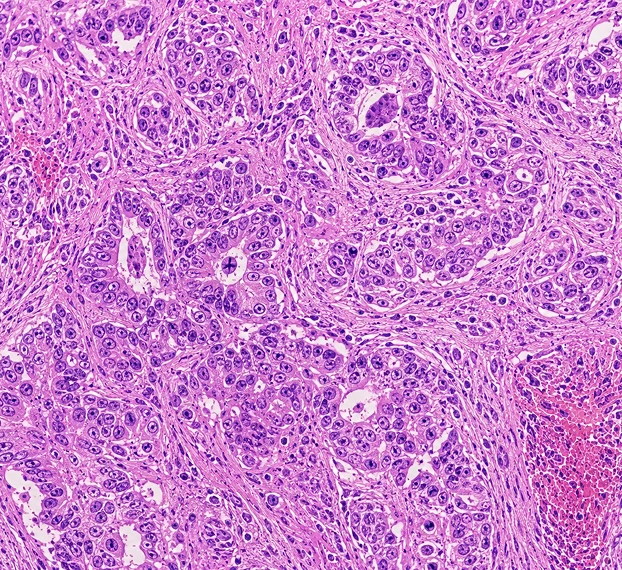
Carcinomas
The most common form of cancer, starting in the epithelial cells that line organs and skin. This includes breast, lung, colon, and prostate cancers.
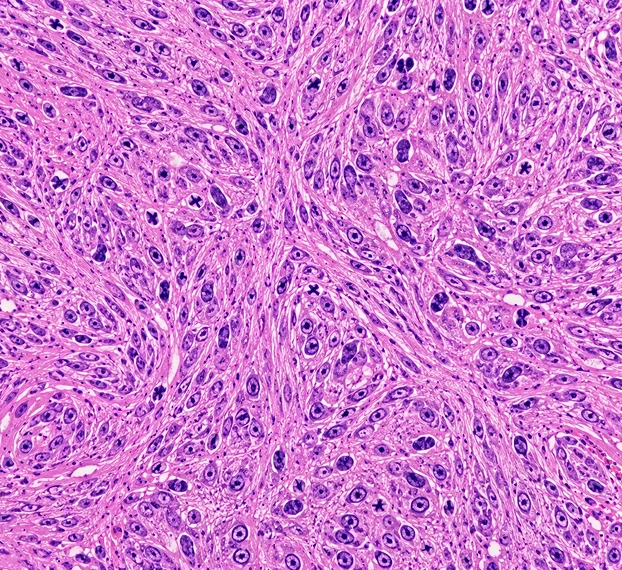
Sarcomas
Cancers that develop in connective tissues such as bone, muscle, fat, cartilage, or blood vessels.
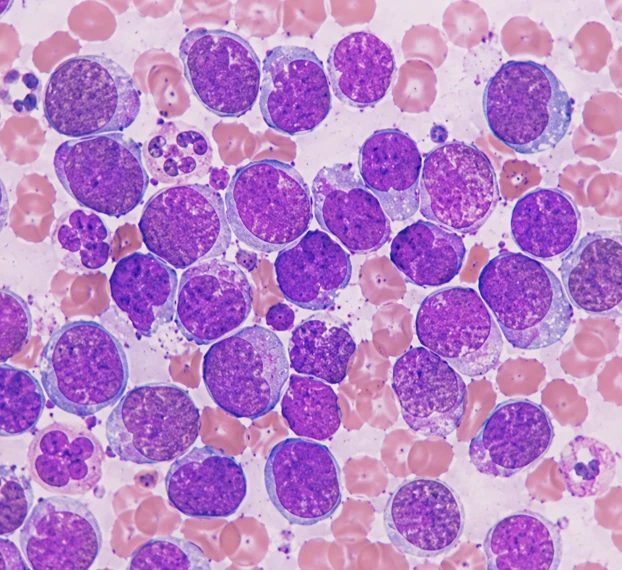
Leukemias
Cancers of the blood-forming tissue in bone marrow, leading to abnormal white blood cell production. These do not typically form solid tumours.
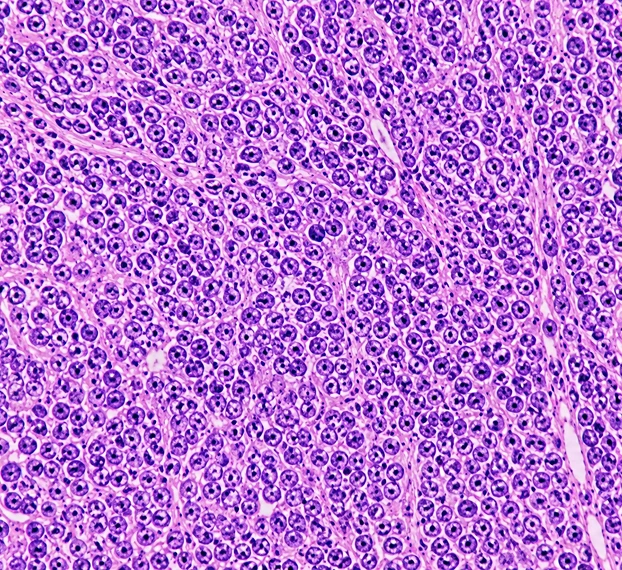
Lymphomas
Cancers that begin in the lymphatic system, the network responsible for fighting infection. Lymphomas are broadly divided into Hodgkin and non-Hodgkin types.
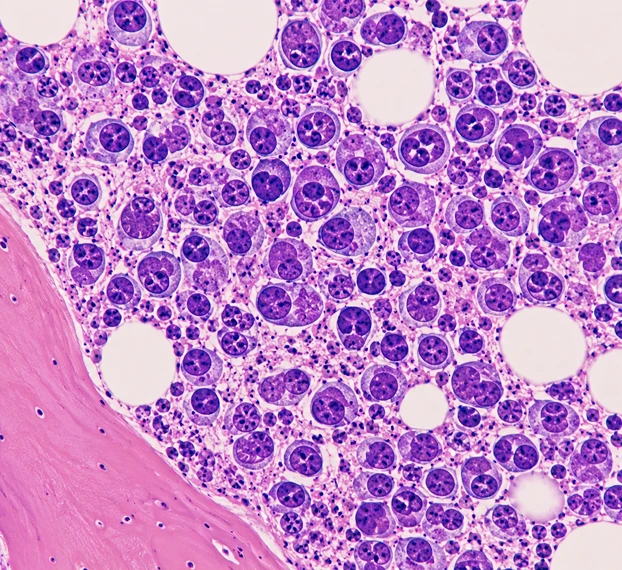
Myelomas
Cancers that originate in the plasma cells of bone marrow, affecting the proteins these cells normally produce.
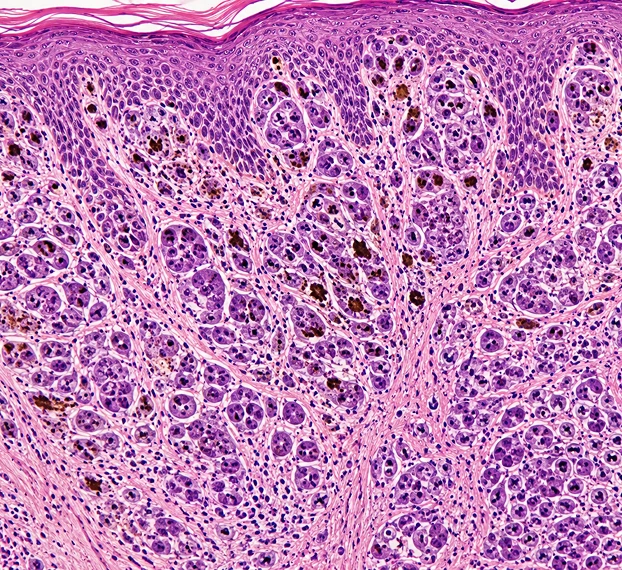
Melanomas
Cancers that develop in the pigment-producing cells of the skin.
Symptoms of Cancer
Symptoms vary widely depending on the type and location of the cancer, but several general warning signs are worth watching for:

Causes of Cancer
Cancer develops when mutations occur in the genes that control how cells grow, divide, and repair themselves. These mutations may:

Hereditary

The most common form of cancer, starting in the epithelial cells that line organs and skin. This includes breast, lung, colon, and prostate cancers.
Develop over a lifetime
Most cancer-causing mutations occur after birth, triggered by factors such as smoking, radiation exposure, viral infections, certain chemicals, and chronic inflammation.
Accumulate with age
Cancer risk increases with age as cells have more opportunities to accumulate mutations.
Be influenced by lifestyle
Tobacco use, excessive alcohol consumption, poor diet, obesity, and lack of physical activity are linked to higher cancer risk.
Be linked to environment
Exposure to carcinogens such as asbestos, certain industrial chemicals, and prolonged UV exposure can increase risk.
Treatment Options For Cancer
Cancer treatment is highly individualized, depending on the type, stage, and location of cancer, as well as the patient's overall health. Common treatment approaches include:

When to See an Oncologist
Consult an oncologist or your doctor if you notice:
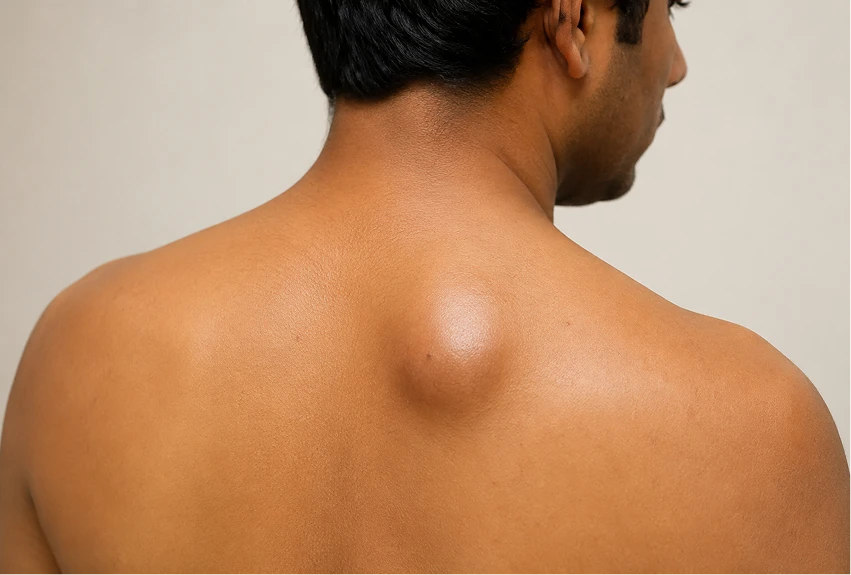
- New lump or unusual swelling
- Sudden weight loss or constant fatigue
- Skin or mole changes, non-healing sores
- Ongoing bowel or bladder changes
- Unexplained bleeding or bruising
- Family history of cancer
Early diagnosis significantly improves treatment outcomes for most cancer types, so timely evaluation of any persistent or unusual symptom is important.
Book An AppointmentComprehensive healthcare backed by experience, advanced infrastructure, and patient-first care
Thousands of patients across specialities have trusted Cura for their care.
Round-the-clock access to emergency care and medicines across both campuses.
Fully equipped inpatient facilities to support your recovery comfortably.
Every process meets a nationally recognised standard for patient safety and quality.
40+ insurance and TPA partners accepted across both campuses.
Questions? Answered.
Common early signs include unexplained fatigue, unusual lumps, persistent pain, unexplained weight changes, and changes in skin or moles. However, symptoms vary greatly by cancer type, and some cancers show no early symptoms at all.
Diagnosis typically involves imaging tests (such as CT, MRI, or PET scans), blood tests, and a biopsy to examine tissue samples under a microscope. The results help determine the cancer type, stage, and the most appropriate treatment plan.
Only a small percentage of cancers are directly inherited through gene mutations passed down in families. Most cancers result from mutations that occur during a person’s lifetime due to environmental or lifestyle factors.
Many cancers, especially when detected early, can be treated successfully and go into remission. Outcomes depend heavily on cancer type, stage at diagnosis, and how the body responds to treatment.
Treatment plans are personalized and may include surgery, chemotherapy, radiation, immunotherapy, or targeted therapy, often used in combination. Your oncology team will tailor the approach based on your specific diagnosis.