
Deep Vein Thrombosis

What Is Deep Vein Thrombosis ?
Deep vein thrombosis (DVT) is a condition in which a blood clot forms in one or more of the deep veins in the body, most commonly in the legs. While DVT itself can cause pain and swelling, the more serious concern is the risk of the clot breaking loose and travelling to the lungs, causing a pulmonary embolism, which can be life-threatening. DVT is treatable and, when caught early, most patients recover fully. Persistent leg swelling, redness, or pain, particularly after long periods of immobility, should always be evaluated by a specialist without delay.
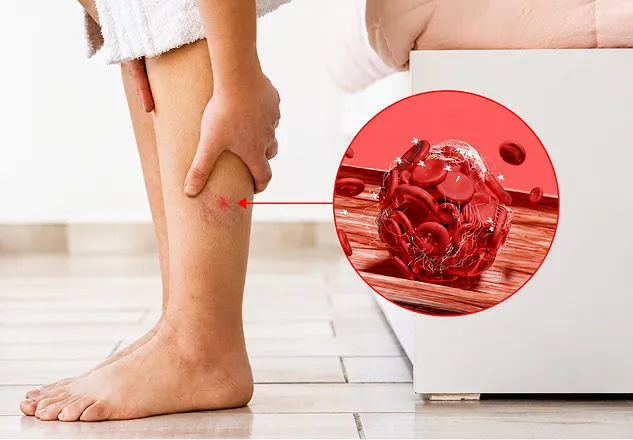
Types Of Deep Vein Thrombosis
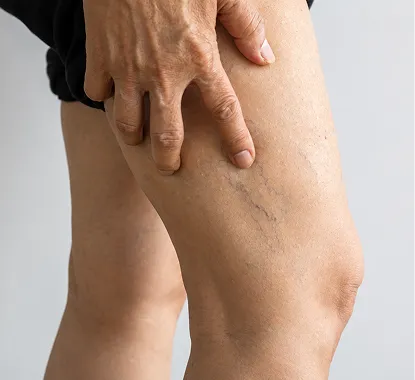
Proximal DVT:
Affects the veins above the knee, including the femoral and popliteal veins. This is the more serious form, as clots in these larger veins carry a higher risk of travelling to the lungs.
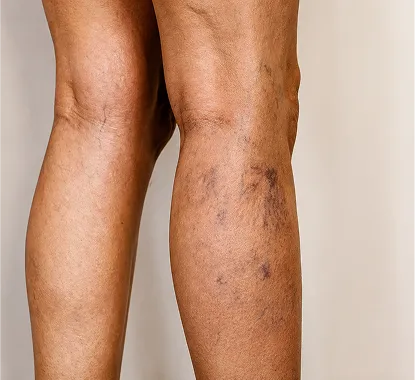
Distal DVT:
Confined to the veins below the knee in the calf. Less likely to cause a pulmonary embolism but still requires monitoring and treatment to prevent progression.

Upper Extremity DVT:
Affects the deep veins of the arm, shoulder, or neck. Less common than lower limb DVT but increasingly seen in patients with central venous catheters or pacemakers.
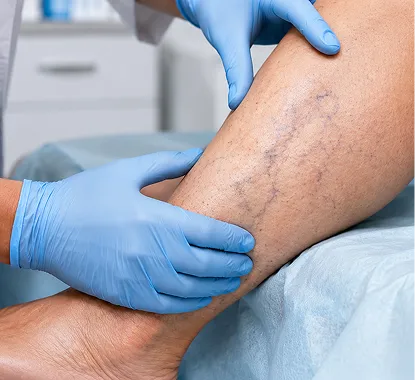
Recurrent DVT:
A second or subsequent clot occurring in a patient who has previously been treated for DVT, often indicating an underlying clotting disorder or inadequate treatment.
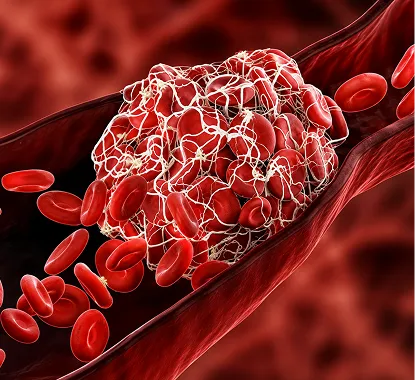
DVT associated with pulmonary embolism:
When a clot from the deep veins breaks off and travels to the lungs, it becomes a pulmonary embolism, a medical emergency requiring immediate treatment.
Symptoms of Deep Vein Thrombosis


Causes of Deep Vein Thrombosis

Prolonged immobility:

Long periods of bed rest, extended travel, or sitting for hours without moving significantly slow blood flow and increase the risk of clot formation.
Surgery or injury:
Major surgery, particularly to the hip, knee, or abdomen, and trauma to the veins can trigger clotting. The risk is highest in the weeks immediately following a procedure.
Inherited clotting disorders:
Conditions such as Factor V Leiden mutation and prothrombin gene mutation affect how blood clots, making some individuals significantly more prone to DVT.
Cancer and its treatment:
Certain cancers and chemotherapy drugs increase the blood's tendency to clot, making DVT a common complication in cancer patients.
Hormonal factors:
Oestrogen-containing contraceptives and hormone replacement therapy increase clotting risk, particularly in women who smoke or have other risk factors.
Pregnancy:
The pressure of a growing uterus on the pelvic veins, combined with hormonal changes, makes pregnant women more susceptible to DVT.
Obesity:
Excess weight puts additional pressure on the veins of the legs and pelvis, slowing blood flow and increasing clotting risk.
Treatment Options for Deep Vein Thrombosis
Treatment depends on the location, severity, and underlying cause of the clot, and is aimed at preventing the clot from growing, breaking off, or recurring.

When to See an Oncologist
Sudden swelling, pain, or redness in one leg without an obvious cause A history of DVT or pulmonary embolism requiring follow-up or ongoing management Shortness of breath, chest pain, or coughing up blood, which may indicate a pulmonary embolism and require immediate emergency care Recent major surgery, prolonged hospitalisation, or long-haul travel with new leg symptoms A known clotting disorder or family history of DVT

Early evaluation can help manage symptoms sooner and lower the risk of related complications.
Book An AppointmentComprehensive healthcare backed by experience, advanced infrastructure, and patient-first care
Thousands of patients across specialities have trusted Cura for their care.
Round-the-clock access to emergency care and medicines across both campuses.
Fully equipped inpatient facilities to support your recovery comfortably.
Every process meets a nationally recognised standard for patient safety and quality.
40+ insurance and TPA partners accepted across both campuses.
Questions? Answered.
DVT itself can cause significant discomfort and long-term complications, but the most serious risk is a pulmonary embolism, which occurs when a clot travels to the lungs and can be life-threatening. Early treatment significantly reduces this risk.
The most common early signs are swelling, pain, and warmth in one leg, often accompanied by redness or discolouration of the skin. In some cases, DVT presents with no symptoms at all.
Most patients are treated with anticoagulant medication for three to six months. Those with an underlying clotting disorder or recurrent DVT may require long-term or lifelong treatment.
Small clots may dissolve over time, but DVT should never be left untreated. Without treatment, the clot can grow, cause serious complications, or travel to the lungs.
Yes, recurrence is possible, particularly in patients with underlying clotting disorders, cancer, or other ongoing risk factors. Regular follow-up and lifestyle measures are important in reducing the risk.