
Testicular Cancer

What Is Throat Cancer ?
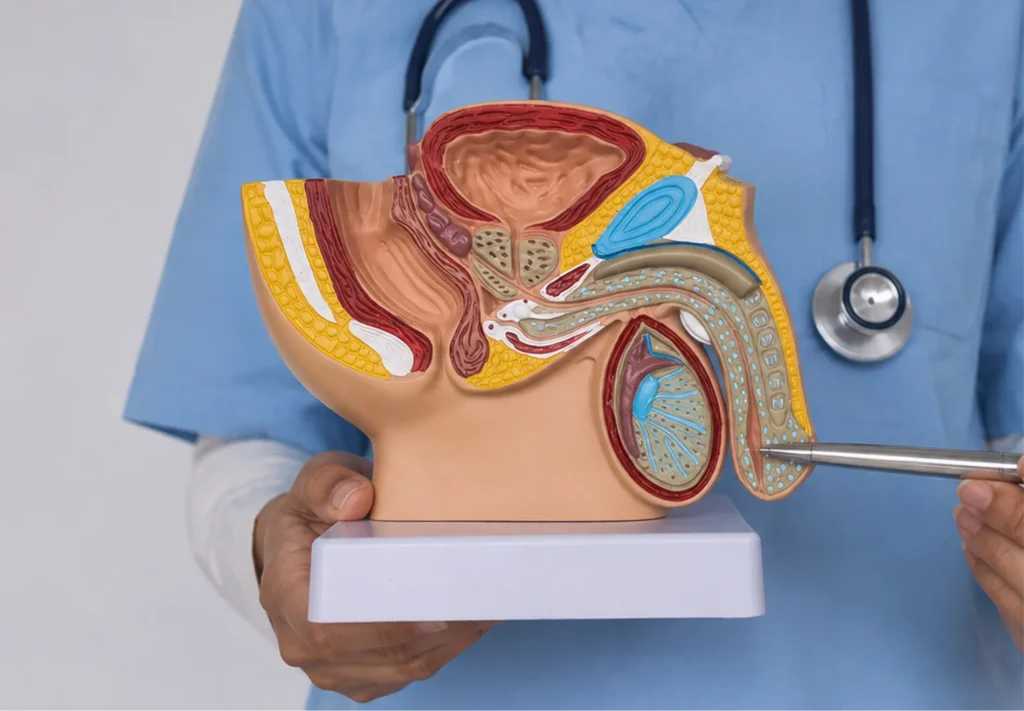
Testicular cancer develops in one or both testicles, the male reproductive glands located in the scrotum. It is one of the more common cancers in men between the ages of 15 and 35, though it can occur at any age.
Despite this, it is also one of the most treatable cancers, with very high survival rates even when diagnosed at a later stage. Persistent swelling, lumps, or changes in the testicle should always be evaluated by a specialist without delay.
Types Of Testicular Cancer
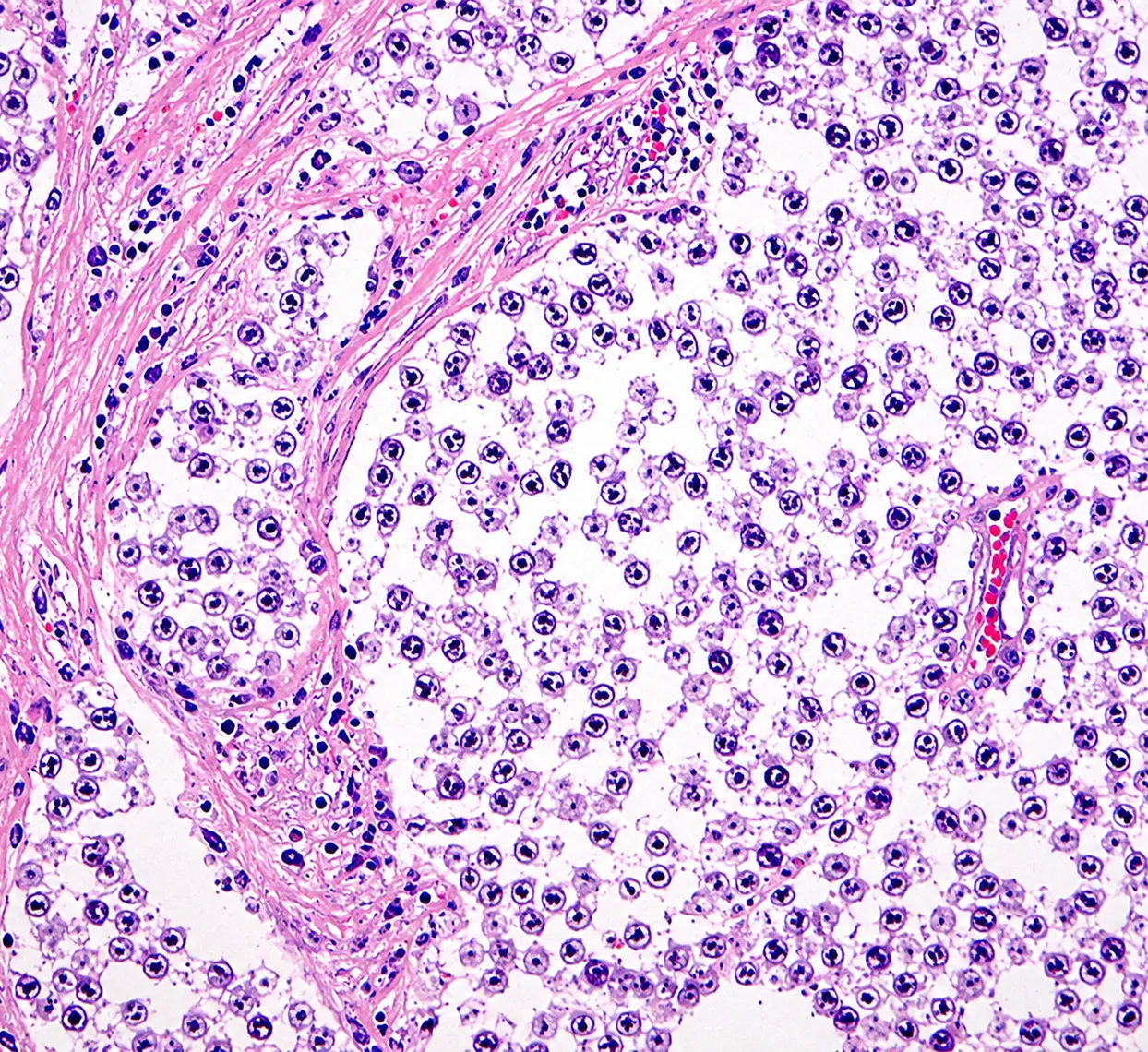
Seminoma:
The most common type, typically slow-growing and highly responsive to radiation therapy. It can occur at any age but is most frequent in men in their 30s and 40s.
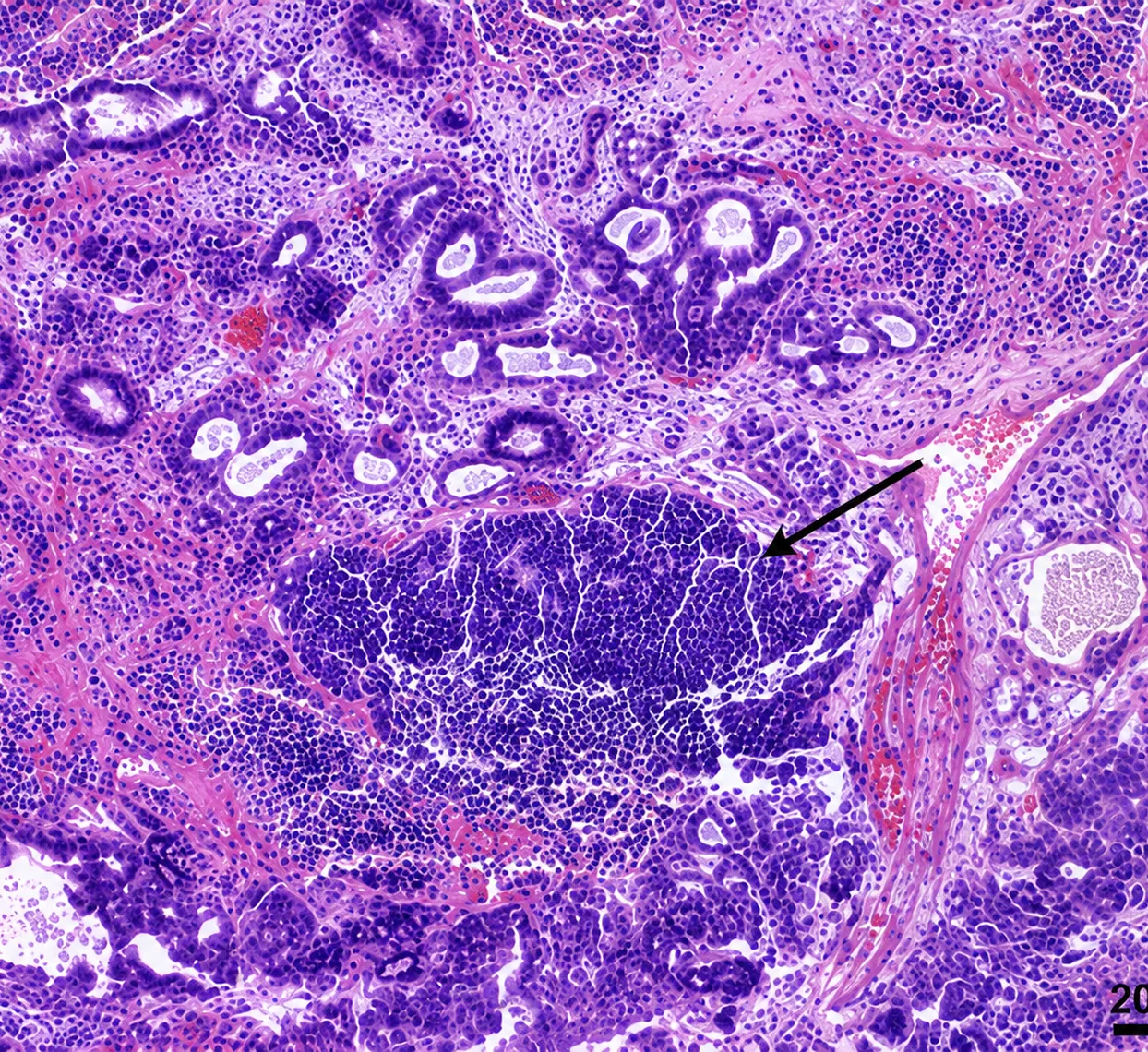
Non-seminoma:
A group of cancers that tend to grow and spread more quickly than seminomas. Subtypes include embryonal carcinoma, yolk sac tumour, choriocarcinoma, and teratoma.
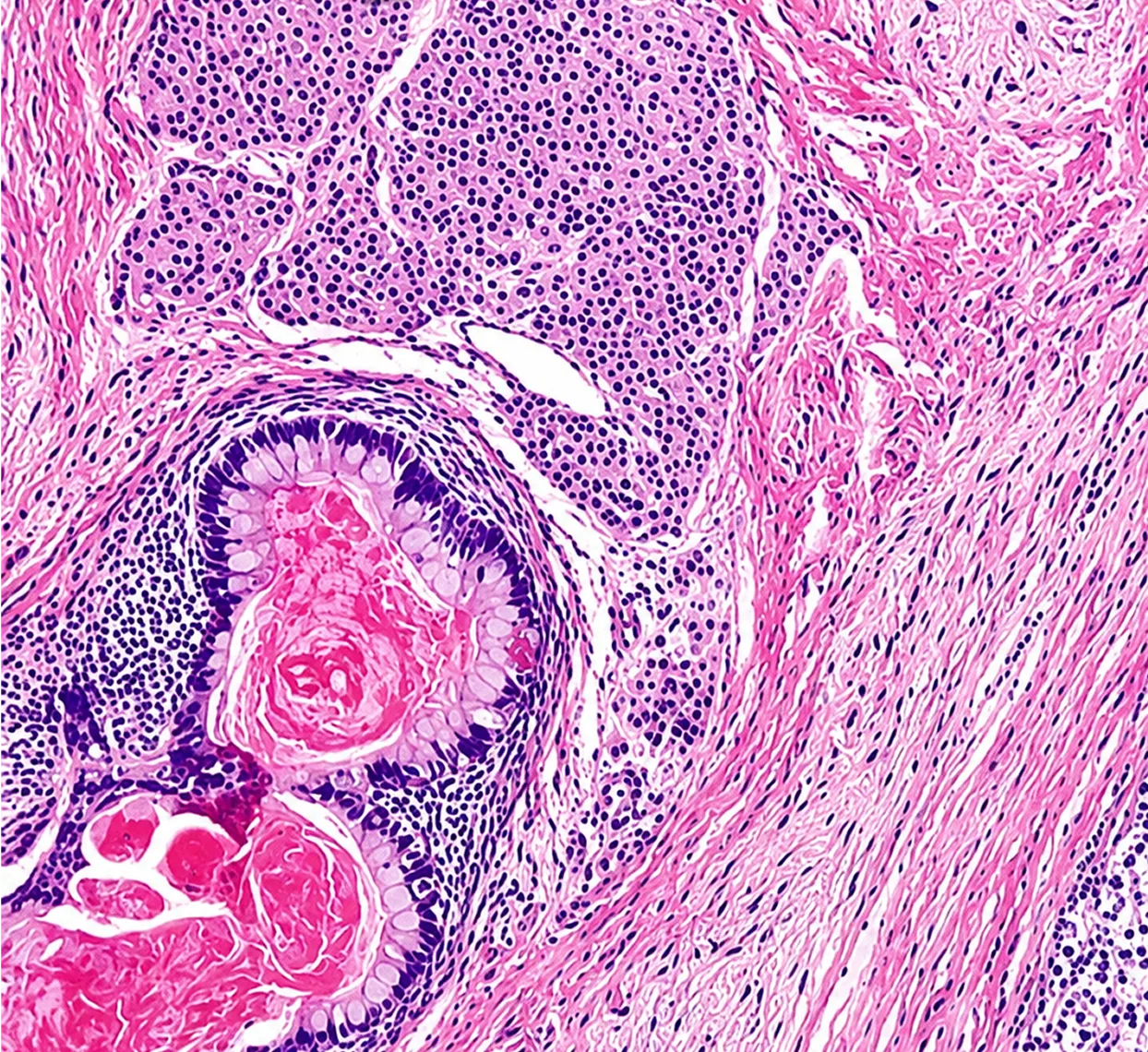
Mixed Germ Cell Tumours:
Tumours that contain both seminoma and non-seminoma cells, treated according to the non-seminoma component.
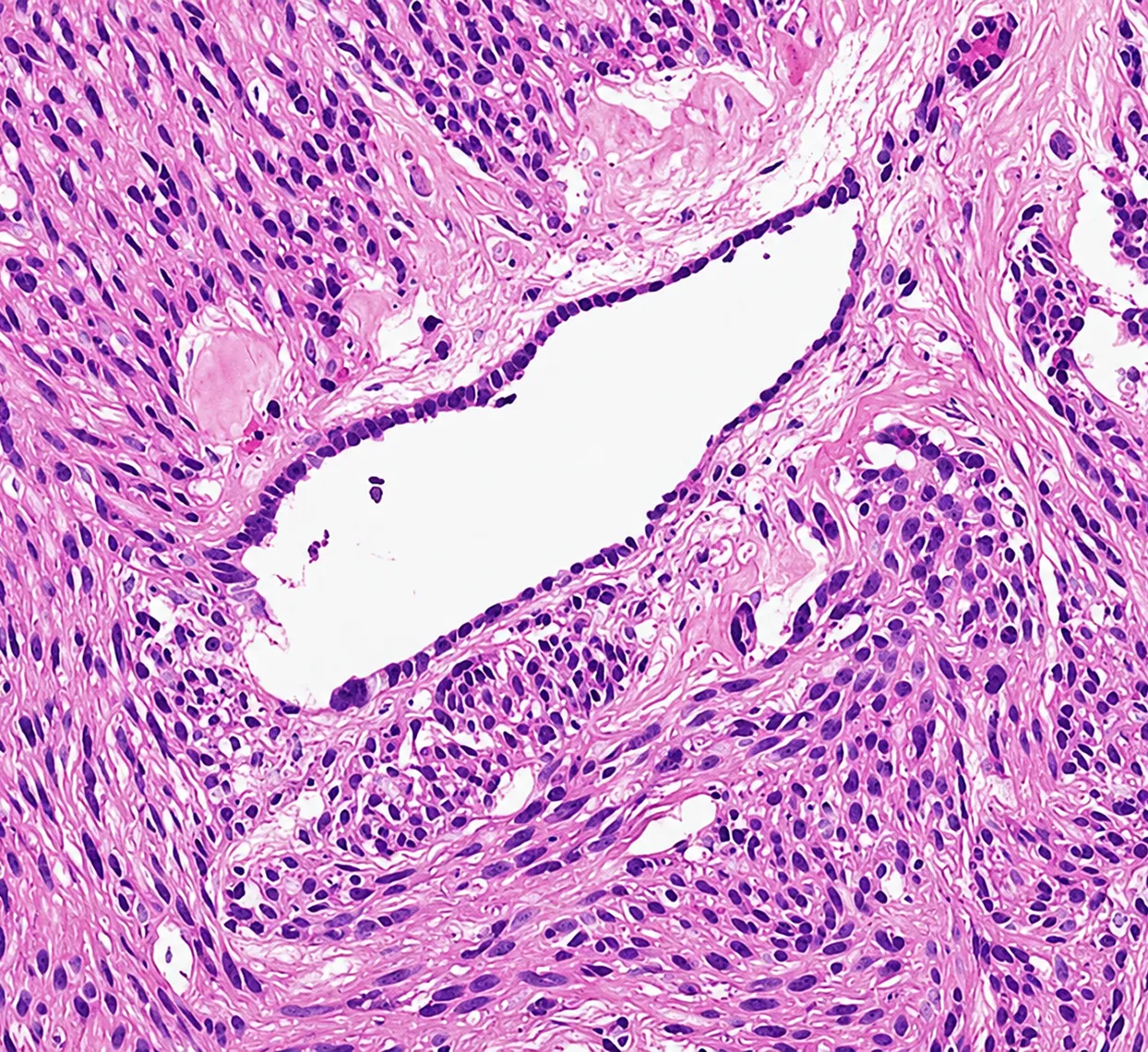
Stromal Tumours:
Rarer tumours that develop in the hormone-producing tissue of the testicles. Leydig cell tumours and Sertoli cell tumours fall into this category.
Symptoms of Testicular Cancer


Causes of Testicular Cancer

Undescended testicle (cryptorchidism):

The most well-established risk factor. Men born with a testicle that did not descend into the scrotum are at significantly higher risk, even if the condition was surgically corrected.
Family history:
Having a father or brother who has had testicular cancer increases a man's risk.
Personal history:
A man who has had cancer in one testicle has an elevated risk of developing it in the other.
Abnormal testicular development:
Conditions that affect how the testicles develop in the womb are associated with higher risk.
Age:
While testicular cancer can occur at any age, it is most commonly diagnosed in men between 15 and 35.
Treatment Options for Testicular Cancer
Treatment depends on the type and stage of the cancer, and often involves more than one approach.

When to See an Oncologist
- A lump, swelling, or change in size or texture of either testicle
- A feeling of heaviness or discomfort in the scrotum that does not resolve
- A history of undescended testicle or prior testicular cancer requiring follow-up
- Unexplained back pain or abdominal discomfort in young men
- A family history of testicular cancer

Early evaluation can help manage symptoms sooner and lower the risk of related complications.
Book An AppointmentComprehensive healthcare backed by experience, advanced infrastructure, and patient-first care
Thousands of patients across specialities have trusted Cura for their care.
Round-the-clock access to emergency care and medicines across both campuses.
Fully equipped inpatient facilities to support your recovery comfortably.
Every process meets a nationally recognised standard for patient safety and quality.
40+ insurance and TPA partners accepted across both campuses.
Questions? Answered.
Yes, testicular cancer has one of the highest cure rates of any cancer. Even in cases where it has spread, the majority of patients are successfully treated.
The most common early sign is a painless lump or swelling in one testicle. Some men also notice a feeling of heaviness or a dull ache in the lower abdomen or groin.
Stage 1 means the cancer is confined to the testicle and has not spread to nearby lymph nodes or other parts of the body.
It can, depending on the type of treatment required. Sperm banking before treatment is strongly recommended for men who wish to preserve their fertility.
Recurrence is possible, which is why regular follow-up with blood tests and imaging is an important part of post-treatment care.