
Inflammatory Bowel Disease (IBD)

What Is Inflammatory Bowel Disease (IBD)?
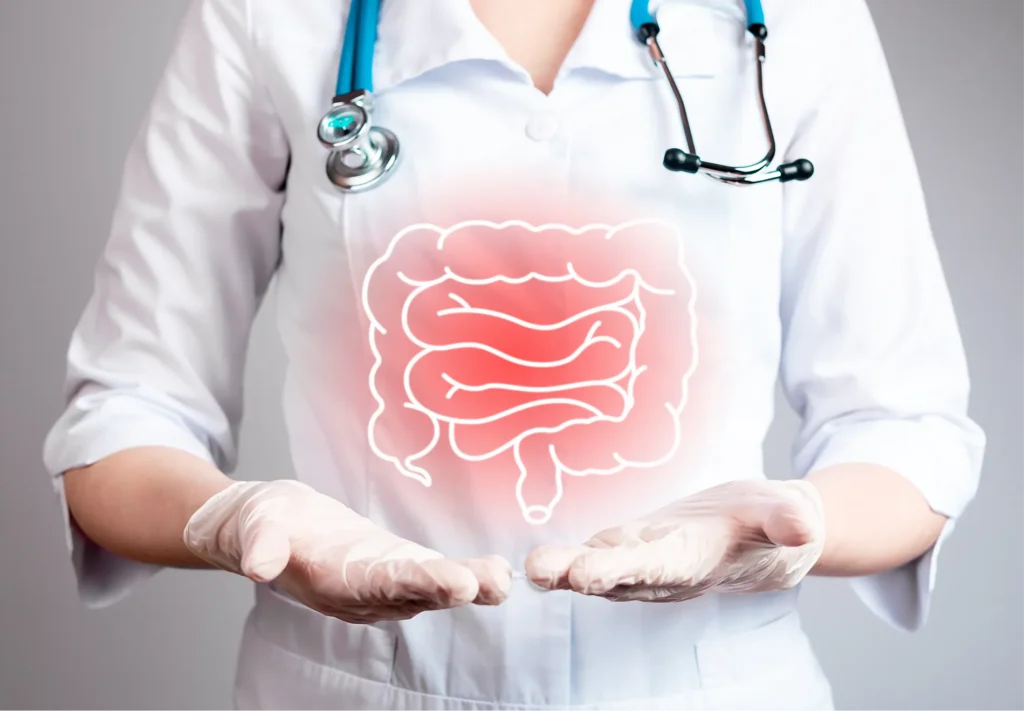
Inflammatory Bowel Disease is an umbrella term for chronic conditions that cause persistent inflammation in the gastrointestinal tract. The two main types are Crohn’s disease, which can affect any part of the GI tract from mouth to anus, and ulcerative colitis, which affects only the large intestine.
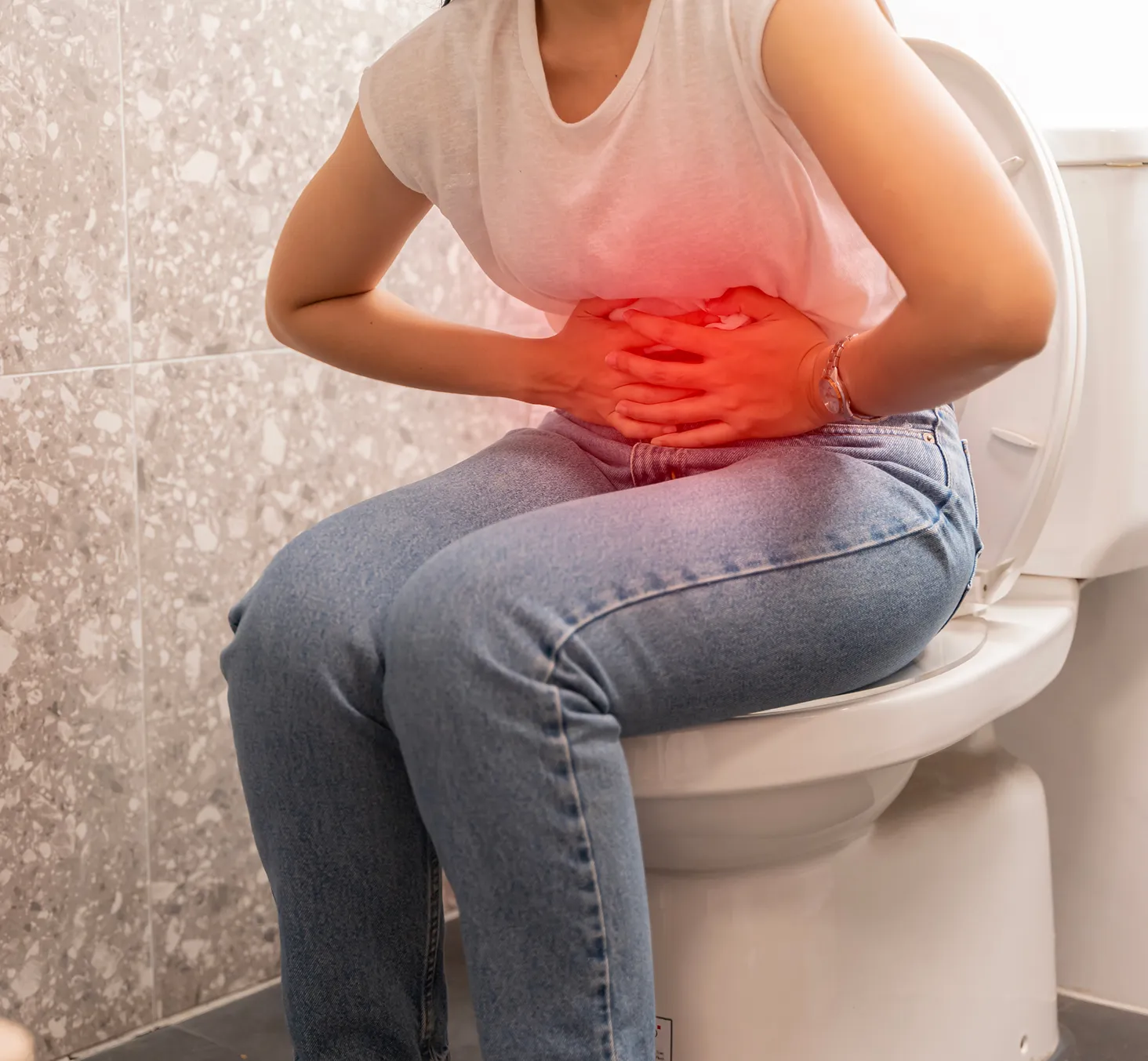
Symptoms ofIBD

Causes ofIBD
The exact cause of IBD is not fully understood, but it is believed to involve a combination of factors:

Immune system dysfunction:

The immune system mistakenly attacks healthy gut tissue, triggering ongoing inflammation.
Genetics:
A family history of IBD significantly raises the risk.
Environmental triggers:
Diet, stress, smoking, and certain infections may trigger flares or contribute to disease onset.
Gut microbiome imbalance:
Disruptions in the balance of bacteria in the digestive tract may play a role.
Treatment Options forIBD
The goal of treatment is to reduce inflammation, achieve remission, and prevent relapse.

When to See a Specialist
- Persistent diarrhoea lasting more than a few weeks
- Blood in stools
- Unexplained weight loss or ongoing abdominal pain
- Symptoms that disrupt daily life or keep recurring
- Known IBD with a change in symptom pattern or severity

Early evaluation can help manage symptoms sooner and lower the risk of related complications.
Book An AppointmentComprehensive healthcare backed by experience, advanced infrastructure, and patient-first care
Thousands of patients across specialities have trusted Cura for their care.
Round-the-clock access to emergency care and medicines across both campuses.
Fully equipped inpatient facilities to support your recovery comfortably.
Every process meets a nationally recognised standard for patient safety and quality.
40+ insurance and TPA partners accepted across both campuses.
Questions? Answered.
It depends on the type and severity. Biologics are among the most effective for moderate to severe IBD, while milder cases may be managed with aminosalicylates and lifestyle adjustments.
Yes. With the right treatment plan, most people with IBD achieve remission and maintain normal daily routines, work, and social lives.
IBD can’t be fully prevented, but triggers like smoking, high-stress periods, and certain dietary patterns can be managed to reduce flare frequency.
Crohn’s disease has no cure. Ulcerative colitis can be effectively cured by surgical removal of the colon, though this is a significant procedure considered when other treatments haven’t worked.
IBD involves actual inflammation and structural damage to the gut, while IBS (Irritable Bowel Syndrome) is a functional condition with no inflammation or visible damage. They share some symptoms but are distinct diagnoses with different treatments.