
Liver Cancer

What Is Liver Cancer ?
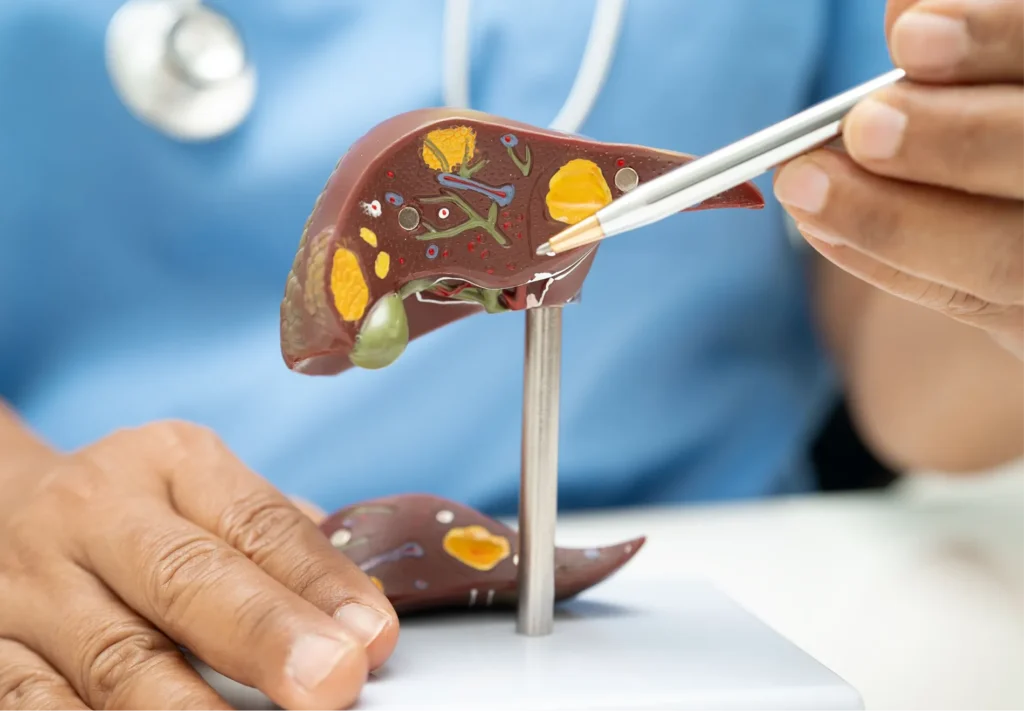
Liver cancer is a malignant tumour that develops in the liver, the body’s largest organ and one essential to survival. There are two main types: primary liver cancer, which starts in the liver itself, and secondary (metastatic) liver cancer, which spreads to the liver from cancer elsewhere in the body.
Symptoms ofLiver Cancer

Causes ofLiver Cancer
Shingles is caused by the reactivation of the varicella-zoster virus in people who have previously had chickenpox. The virus never fully leaves the body after the initial infection; it stays inactive in nerve tissue and can re-emerge when immunity weakens.

Chronic hepatitis B or C:

Long-term viral hepatitis infection is the leading cause of liver cancer worldwide.
Cirrhosis:
Scarring of the liver from any cause significantly raises cancer risk.
Alcohol-related liver disease:
Prolonged heavy alcohol use damages the liver and increases cancer risk over time.
Non-alcoholic fatty liver disease (NAFLD):
Particularly when it progresses to inflammation and scarring.
Age and sex:
More common in men and in people over 60.
Diabetes and obesity:
Both are linked to fatty liver disease and elevated liver cancer risk.
Aflatoxin exposure:
Aflatoxin exposure: A toxin produced by mould found in contaminated food, a known carcinogen in certain regions.
Family history:
Inherited conditions affecting the liver can increase risk.
Treatment Options forLiver Cancer

When to See a Specialist
- Persistent abdominal pain or unexplained swelling
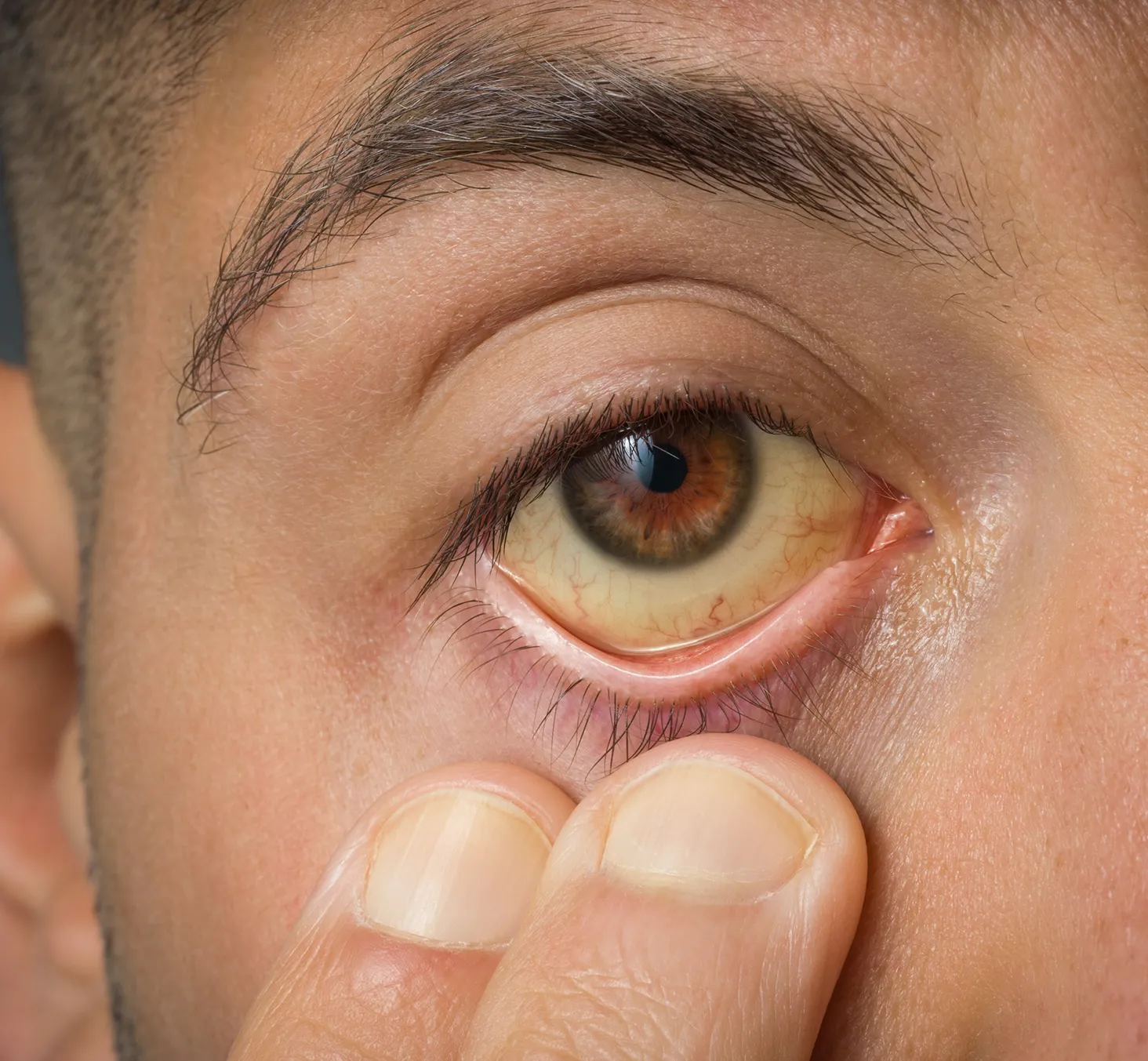
- Jaundice or significant unexplained weight loss
- A history of hepatitis B or C, cirrhosis, or chronic liver disease
- Regular screening is recommended for high-risk individuals, including those with cirrhosis or chronic hepatitis

Early evaluation can help manage symptoms sooner and lower the risk of related complications.
Book An AppointmentComprehensive healthcare backed by experience, advanced infrastructure, and patient-first care
Thousands of patients across specialities have trusted Cura for their care.
Round-the-clock access to emergency care and medicines across both campuses.
Fully equipped inpatient facilities to support your recovery comfortably.
Every process meets a nationally recognised standard for patient safety and quality.
40+ insurance and TPA partners accepted across both campuses.
Questions? Answered.
Stage 4 liver cancer is primarily managed with systemic therapies including targeted drugs and immunotherapy to slow progression. In some cases, embolization or palliative procedures are used alongside to manage symptoms and improve quality of life.
Early-stage liver cancer can be cured through surgery or liver transplantation. Advanced cases are generally not curable, but treatment can extend life and manage symptoms meaningfully.
Outcomes vary significantly by stage and treatment response. Early-stage cases treated with surgery or transplant have much better survival rates than advanced cases. Your hepatologist or oncologist will discuss realistic expectations based on your specific diagnosis.
Many people with cancer live full, extended lives, particularly with early detection and access to modern treatment. Advances in targeted therapy and immunotherapy have significantly improved survival for several cancer types.
Avoiding alcohol, maintaining a healthy weight, managing underlying liver disease, and staying current with follow-up care all support better outcomes alongside medical treatment.