
Stomach Cancer

What Is Stomach Cancer ?
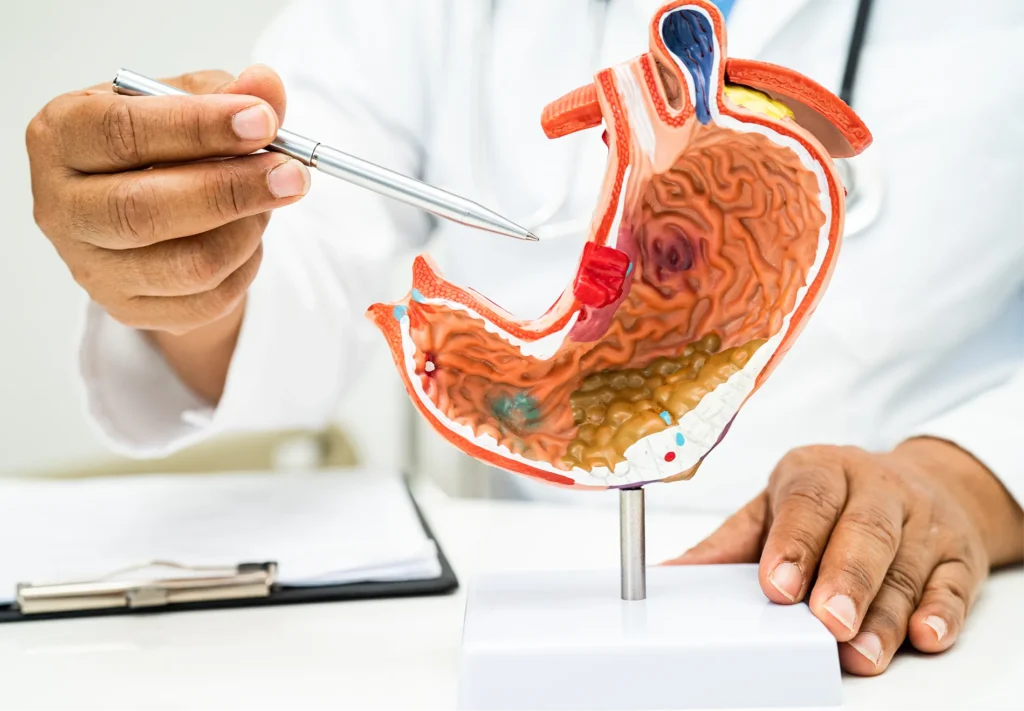
Stomach cancer, also called gastric cancer, begins when cells in the lining of the stomach start growing abnormally and out of control. About 95% of stomach cancers originate in the stomach’s inner lining and tend to develop slowly, often going undetected until a more advanced stage because early symptoms are vague or absent.
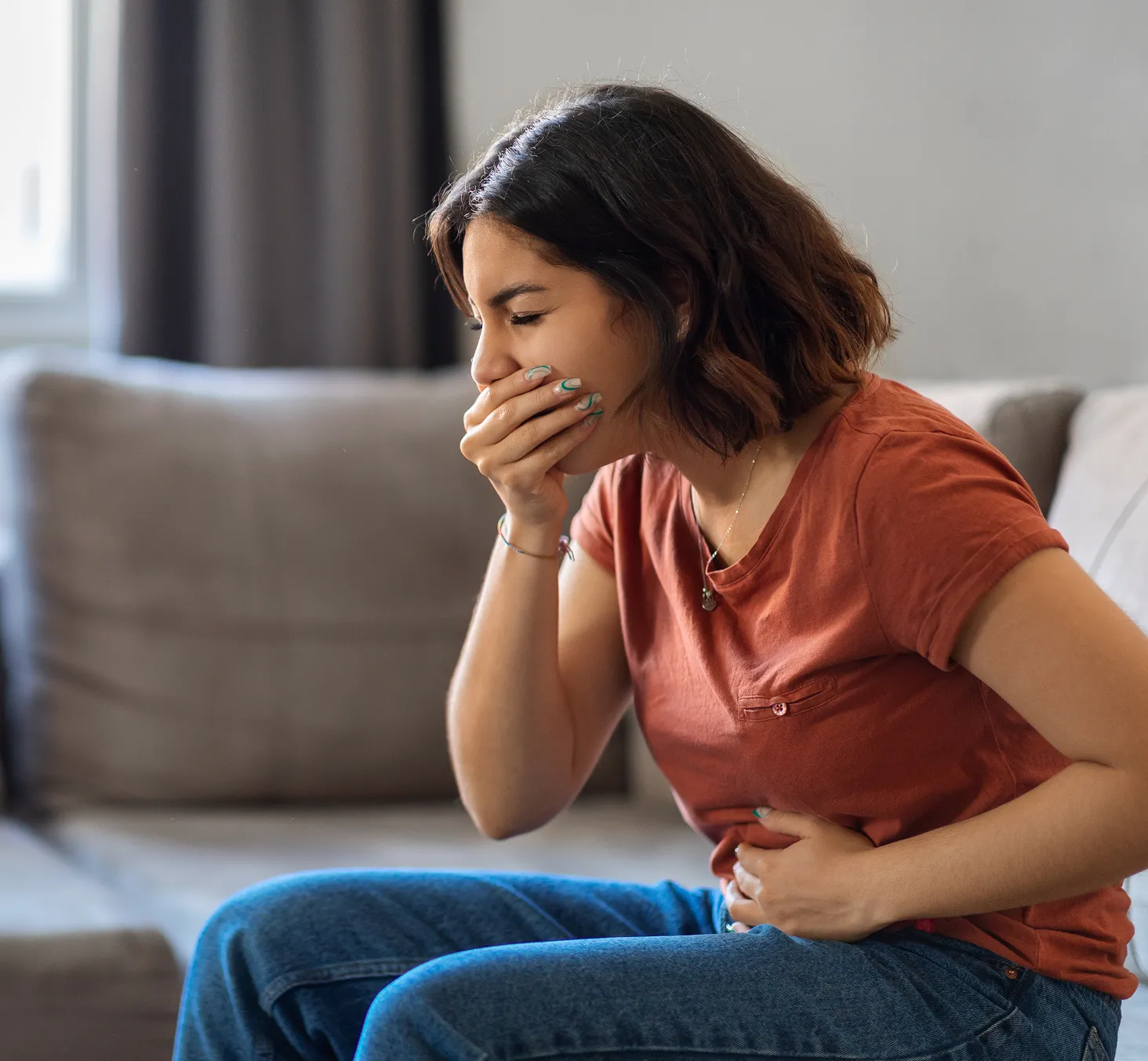
Symptoms ofStomach Cancer

Causes ofStomach Cancer
Shingles is caused by the reactivation of the varicella-zoster virus in people who have previously had chickenpox. The virus never fully leaves the body after the initial infection; it stays inactive in nerve tissue and can re-emerge when immunity weakens.

H. pylori infection:

A bacterial infection strongly linked to stomach cancer risk, particularly when long-standing and untreated.
Diet:
High intake of smoked, salted, pickled, or processed foods and low fruit and vegetable consumption raise risk.
Smoking and alcohol:
Both are established risk factors.
Family history:
A personal or family history of stomach cancer or related genetic conditions increases risk.
Age and sex:
More common in men and in people over 60.
Chronic stomach conditions:
Long-term gastritis, stomach ulcers, or previous stomach surgery can contribute.
Treatment Options forStomach Cancer

When to See a Specialist
- Persistent stomach pain or fullness after small meals
- Unexplained weight loss or ongoing nausea
- Blood in stools or black, tarry stools
- Anaemia with no obvious cause
- Strong family history of stomach or gastrointestinal cancers

Early evaluation can help manage symptoms sooner and lower the risk of related complications.
Book An AppointmentComprehensive healthcare backed by experience, advanced infrastructure, and patient-first care
Thousands of patients across specialities have trusted Cura for their care.
Round-the-clock access to emergency care and medicines across both campuses.
Fully equipped inpatient facilities to support your recovery comfortably.
Every process meets a nationally recognised standard for patient safety and quality.
40+ insurance and TPA partners accepted across both campuses.
Questions? Answered.
Yes, recurrence is possible, particularly in later-stage cases. Regular follow-up and post-surgical chemotherapy are used to reduce this risk.
Yes, especially when caught early. Treatment options have improved significantly, and even advanced cases have more targeted therapies available today than a decade ago.
It varies widely by stage. Early-stage cancers have significantly better outcomes than advanced ones. Your oncologist will give you a clearer picture based on your specific diagnosis and response to treatment.
Stage 4 stomach cancer means the cancer has spread beyond the stomach to distant organs. The primary treatment is systemic therapy, including chemotherapy, targeted therapy, or immunotherapy. In select cases, cytoreductive surgery combined with HIPEC may be considered.
Typically through an upper endoscopy, where a camera examines the stomach lining and biopsies are taken. Imaging tests and staging scans are then used to determine how far the cancer has spread.