
Gallstones

What Is Gallstones ?
Gallstones are hardened deposits of digestive fluid that form inside the gallbladder, a small pear-shaped organ tucked beneath the liver on the right side of the abdomen. The gallbladder stores bile, a digestive fluid produced by the liver, and releases it into the small intestine when needed. When the chemical balance of this bile is disrupted, solid particles can form and gradually harden into stones.
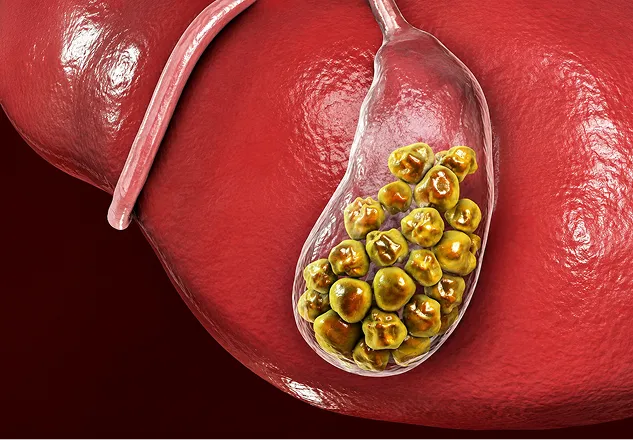
Symptoms ofGallstones
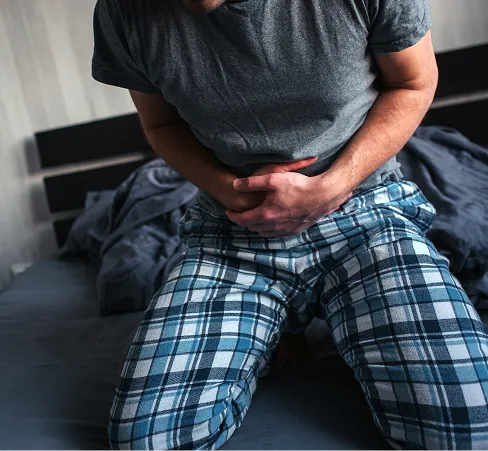

Causes ofGallstones
The exact trigger for gallstone formation isn't fully understood, but three main mechanisms are involved:

Excess cholesterol in bile:

When the liver produces more cholesterol than the bile can dissolve, the surplus can crystallize into stones. These are the most common type, known as cholesterol gallstones.
Excess bilirubin in bile:
Conditions like liver cirrhosis, bile duct infections, or certain blood disorders cause the liver to overproduce bilirubin, a chemical released during red blood cell breakdown. Too much bilirubin leads to pigment gallstones, which are darker in colour.
Incomplete gallbladder emptying:
When the gallbladder doesn't empty fully or frequently enough, bile becomes highly concentrated, increasing the chance of stone formation.
Treatment Options for Gallstones
Gallstones that cause no symptoms typically don't require treatment. When symptoms are present, options include:

When to See a Specialist
- Recurring upper abdominal pain, especially after meals
- Pain accompanied by fever, chills, or jaundice
- Nausea or vomiting that doesn't settle
- A known history of gallstones with worsening or more frequent attacks
Early evaluation can help manage symptoms sooner and lower the risk of related complications.
Book An AppointmentComprehensive healthcare backed by experience, advanced infrastructure, and patient-first care
Thousands of patients across specialities have trusted Cura for their care.
Round-the-clock access to emergency care and medicines across both campuses.
Fully equipped inpatient facilities to support your recovery comfortably.
Every process meets a nationally recognised standard for patient safety and quality.
40+ insurance and TPA partners accepted across both campuses.
Questions? Answered.
ERCP can remove stones from the bile duct without open surgery. Oral medication can dissolve certain stones but takes months and isn’t always effective. For most cases, laparoscopic surgery remains the most reliable option.
Yes, if they’re not causing symptoms, no treatment is needed and most people live normally. After gallbladder removal, recovery is quick and daily life returns to normal.
High-fibre foods like fruits, vegetables, and whole grains, along with healthy fats from fish and nuts. Avoid high-fat, fried, and heavily processed foods, which can trigger attacks.
Laparoscopic cholecystectomy (keyhole gallbladder removal) is the gold standard for symptomatic gallstones, with minimal downtime and no risk of recurrence.
Not after gallbladder removal. In rare cases, stones can still form in the bile duct, but this is uncommon.