
Anaemia

What Is Anaemia ?
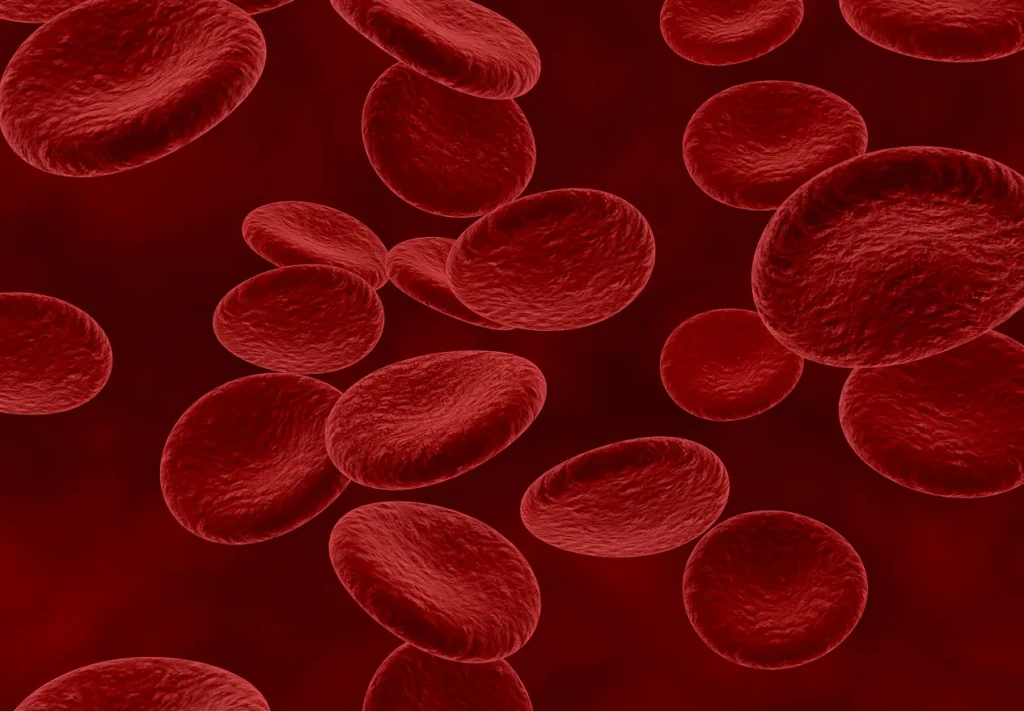
Anaemia is a condition where the body doesn’t have enough healthy red blood cells or haemoglobin, the protein that carries oxygen from the lungs to the rest of the body. Without enough of either, tissues and organs don’t get the oxygen they need, leading to tiredness, weakness, and other symptoms.
Types Of Anaemia
Anaemia isn't a single condition; it's a group of conditions classified by their underlying cause. The main types include:
Iron deficiency anaemia:
The most common type, caused by too little iron in the body to produce enough haemoglobin.
Vitamin deficiency anaemia:
Caused by low levels of vitamin B12 or folate, both essential for healthy red blood cell production.
Aplastic anaemia:
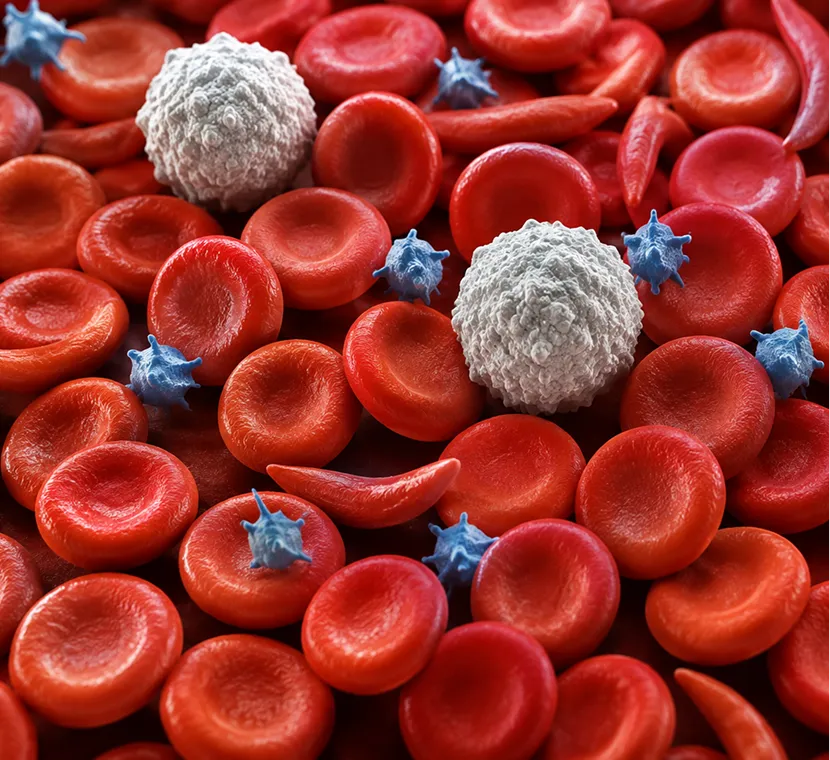
A rare, serious form where the body doesn't produce enough new blood cells at all.
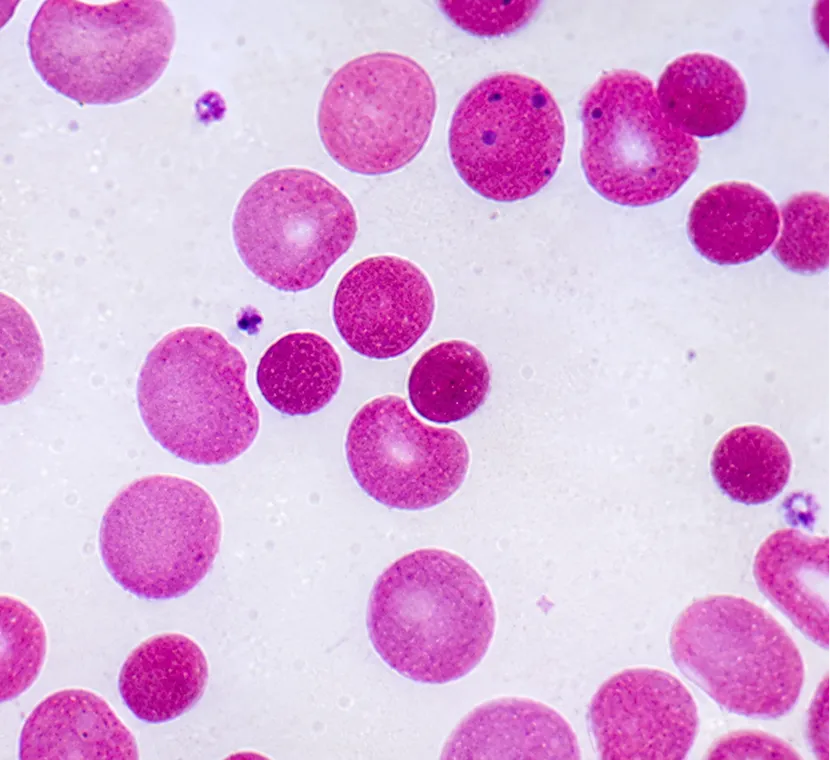
Hemolytic anaemia:
Occurs when red blood cells are destroyed faster than the body can replace them.
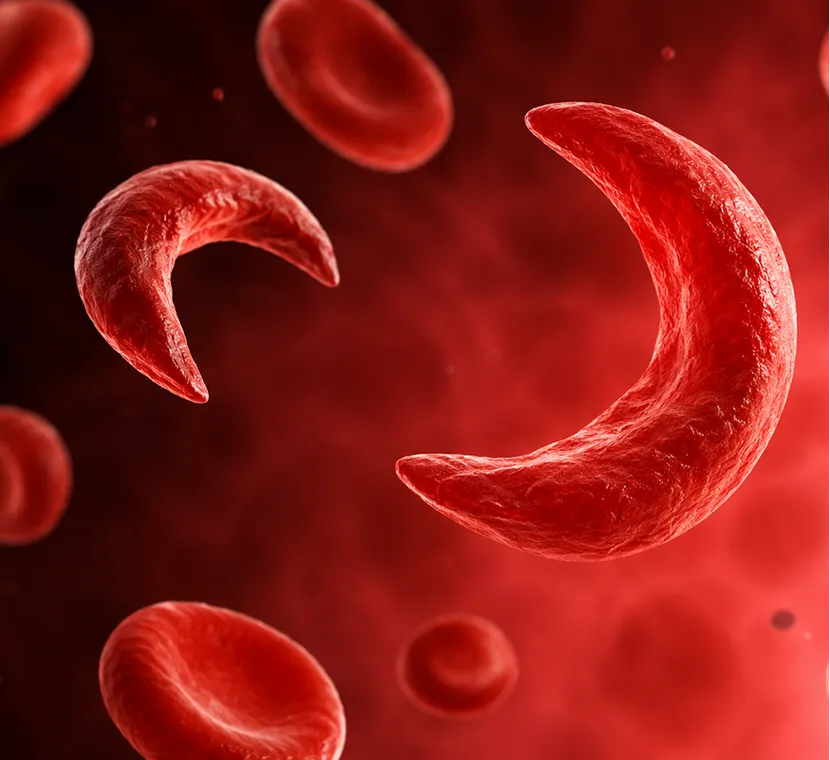
Sickle cell anaemia:
An inherited form where red blood cells take on an abnormal, crescent shape and die prematurely.
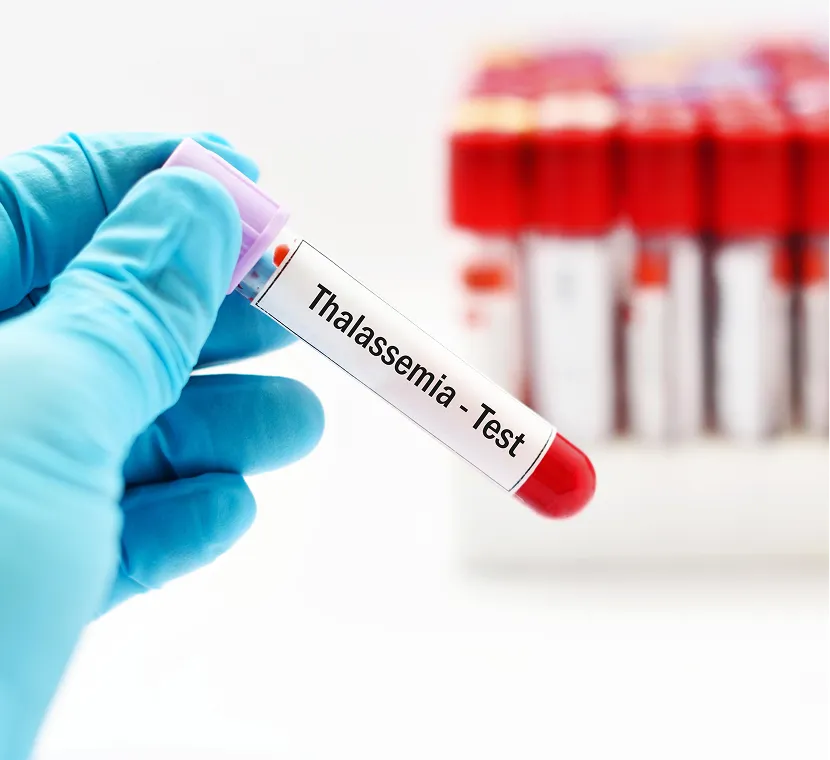
Thalassemia:
An inherited condition affecting haemoglobin production, ranging from mild to requiring lifelong treatment.
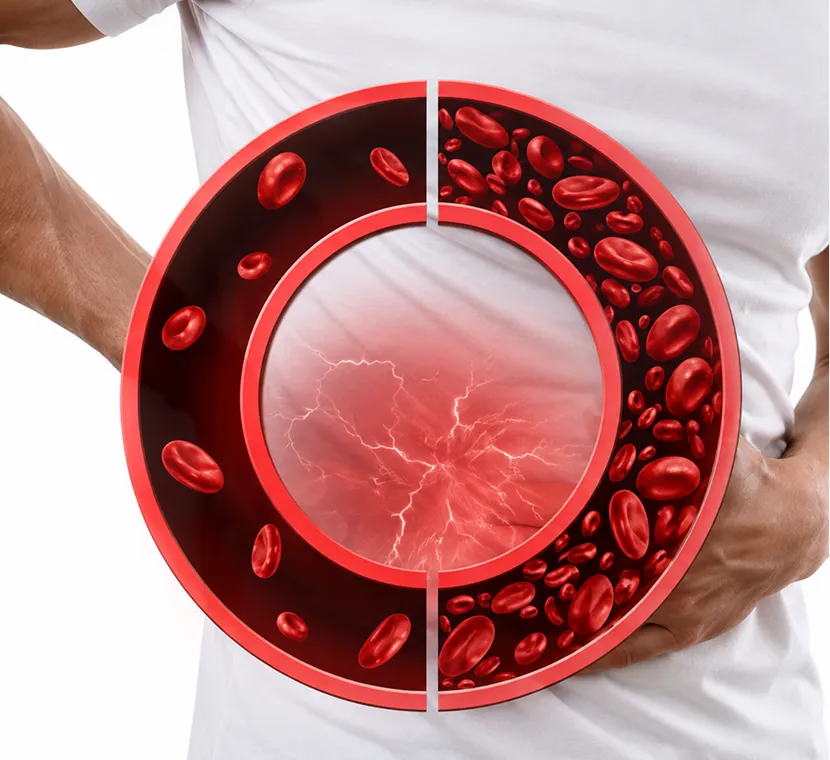
Anaemia of chronic disease:
Linked to ongoing conditions like kidney disease, cancer, or autoimmune disorders that interfere with red blood cell production.
Symptoms of Anaemia


Causes of Anaemia
Anaemia develops when the body doesn't make enough red blood cells, loses them faster than it can replace them, or destroys them prematurely.

Nutritional deficiencies:

Low iron, vitamin B12, or folate are the most common causes.
Blood loss:
Heavy periods, ulcers, or chronic internal bleeding can deplete red blood cells over time.
Chronic illness:
Conditions like kidney disease, cancer, or autoimmune disorders can interfere with red blood cell production.
Bone marrow disorders:
Diseases affecting the bone marrow can disrupt normal blood cell production.
Inherited conditions:
Sickle cell anaemia and thalassemia are passed down through families.
Treatment Options for Anaemia
Treatment depends entirely on the underlying type and cause.

When to See a Haematologist
- Persistent fatigue or weakness without an obvious cause
- Noticeable paleness or shortness of breath
- Being told you have low haemoglobin, including during a blood donation
- A family history of inherited anaemias like sickle cell disease or thalassemia
- Anaemia symptoms alongside another chronic condition

Early evaluation can help manage symptoms sooner and lower the risk of related complications.
Book An AppointmentComprehensive healthcare backed by experience, advanced infrastructure, and patient-first care
Thousands of patients across specialities have trusted Cura for their care.
Round-the-clock access to emergency care and medicines across both campuses.
Fully equipped inpatient facilities to support your recovery comfortably.
Every process meets a nationally recognised standard for patient safety and quality.
40+ insurance and TPA partners accepted across both campuses.
Questions? Answered.
The most common cause is iron deficiency, usually due to insufficient dietary iron or blood loss. Other causes include vitamin deficiencies, chronic illness, and inherited blood disorders.
Common symptoms include constant tiredness, pale skin, shortness of breath, dizziness, and an irregular heartbeat.
Treatment depends on the cause: iron or vitamin supplements for deficiency-related anaemia, treating the underlying condition for chronic disease anaemia, and transfusions or specialized care for more serious inherited or bone marrow-related types.
While there are several types, the most commonly referenced are iron deficiency anaemia, vitamin deficiency anaemia, aplastic anaemia, and hemolytic anaemia, including inherited forms like sickle cell anaemia.
Yes, in many cases. Eating iron-rich and vitamin-rich foods, such as leafy greens, meat, and fortified cereals, can help prevent the most common nutritional forms of anaemia. Inherited types, however, can’t be prevented and require ongoing management.