
Skin Cancer

What Is Skin Cancer ?
Skin cancer develops when abnormal cells in the skin begin to grow and multiply uncontrollably, most often triggered by prolonged exposure to ultraviolet radiation from the sun or tanning beds. It is the most common cancer diagnosed worldwide, affecting approximately 1 in 5 people at some point in their lives. With early detection, the vast majority of skin cancers are curable.
Types Of Skin Cancer
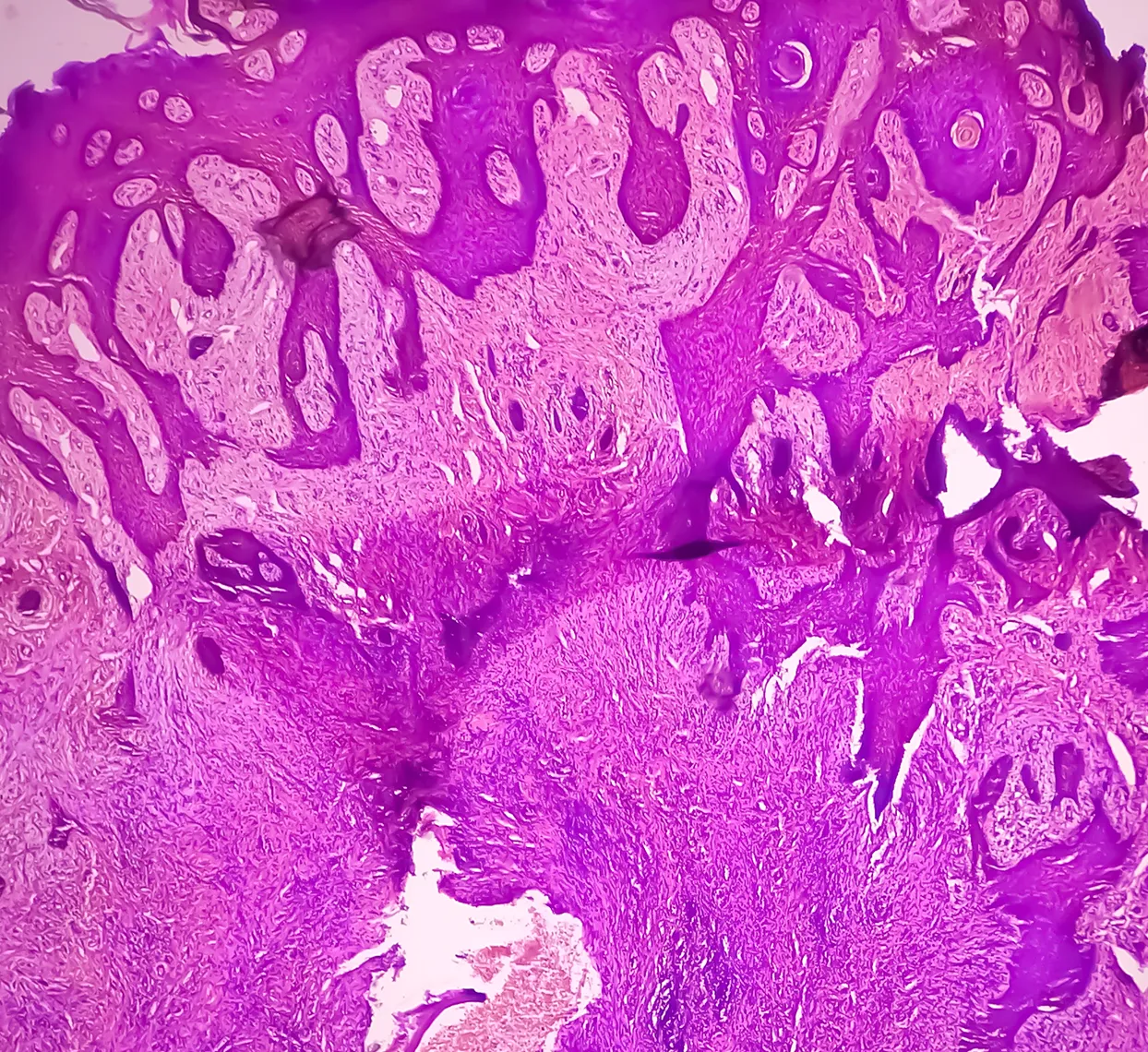
Basal Cell Carcinoma (BCC):
The most common type, forming in the lower layer of the skin and typically appearing as a slow-growing, pearly or pink bump, usually on sun-exposed areas like the face and neck.
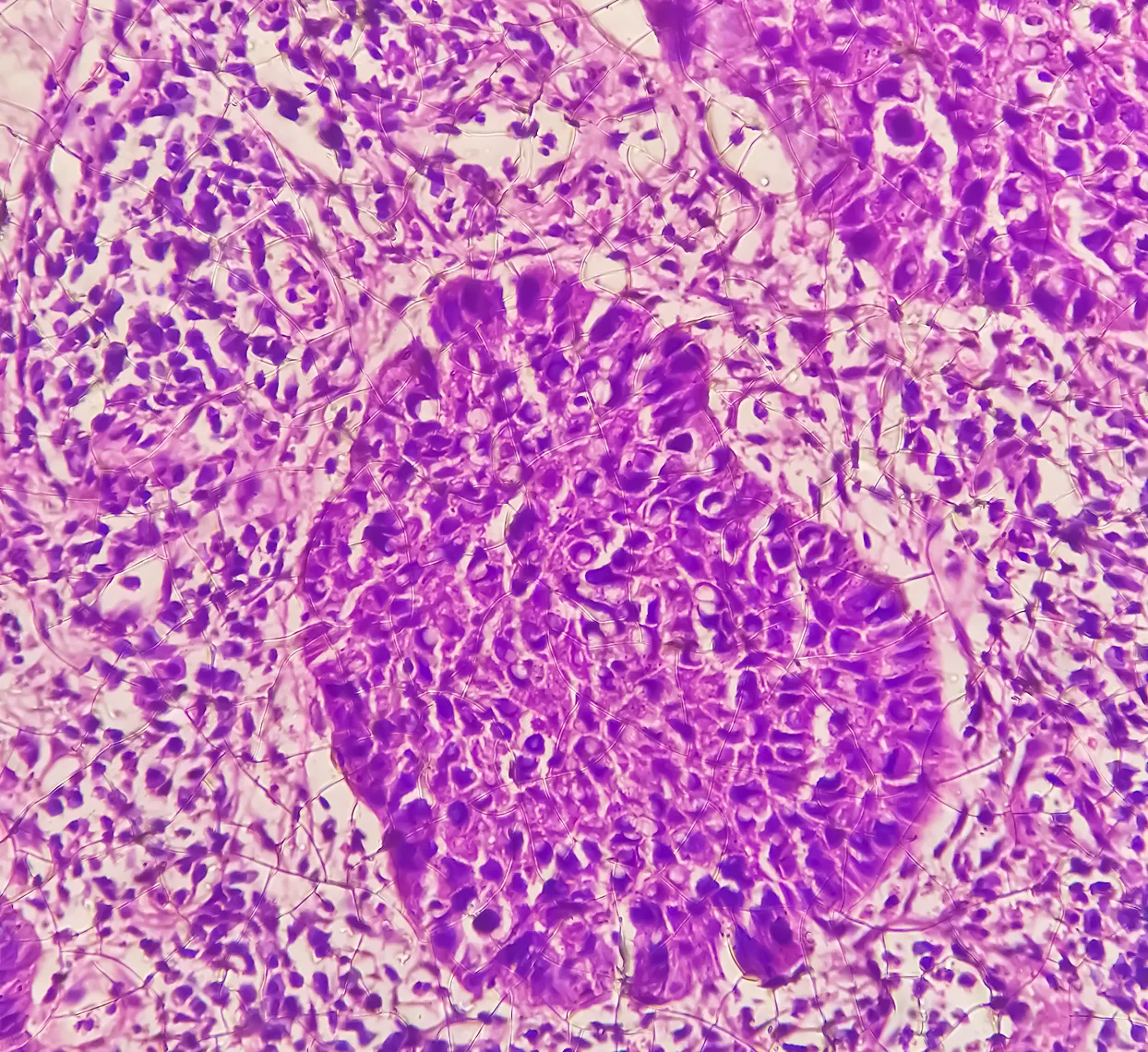
Squamous Cell Carcinoma (SCC):
The second most common type, arising in the outer skin layer and presenting as a rough, scaly patch or bump that may bleed or crust over.
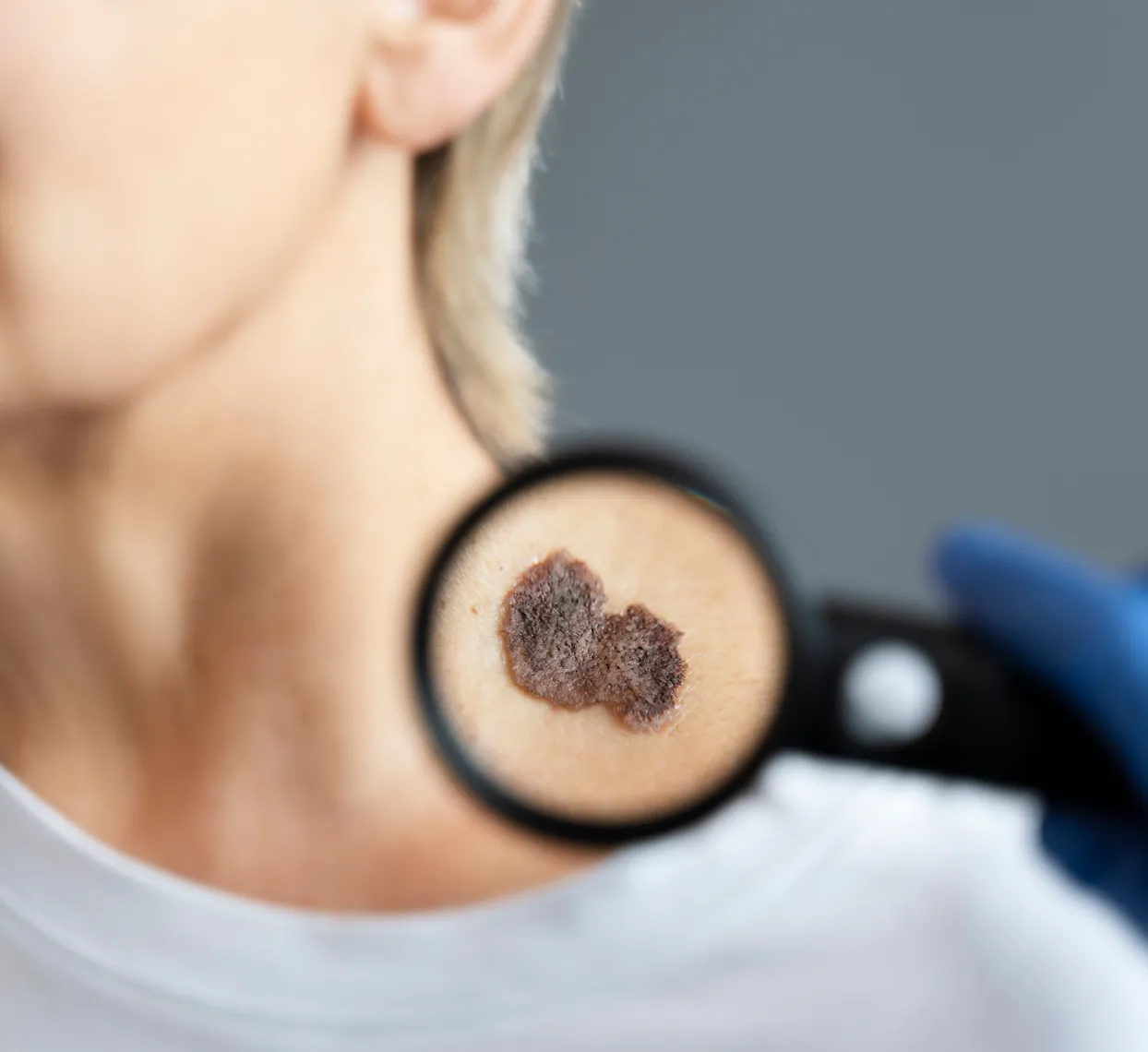
Melanoma:
The least common but most dangerous type, forming in pigment-producing melanocytes and carrying a high risk of spreading to other organs if not caught early.
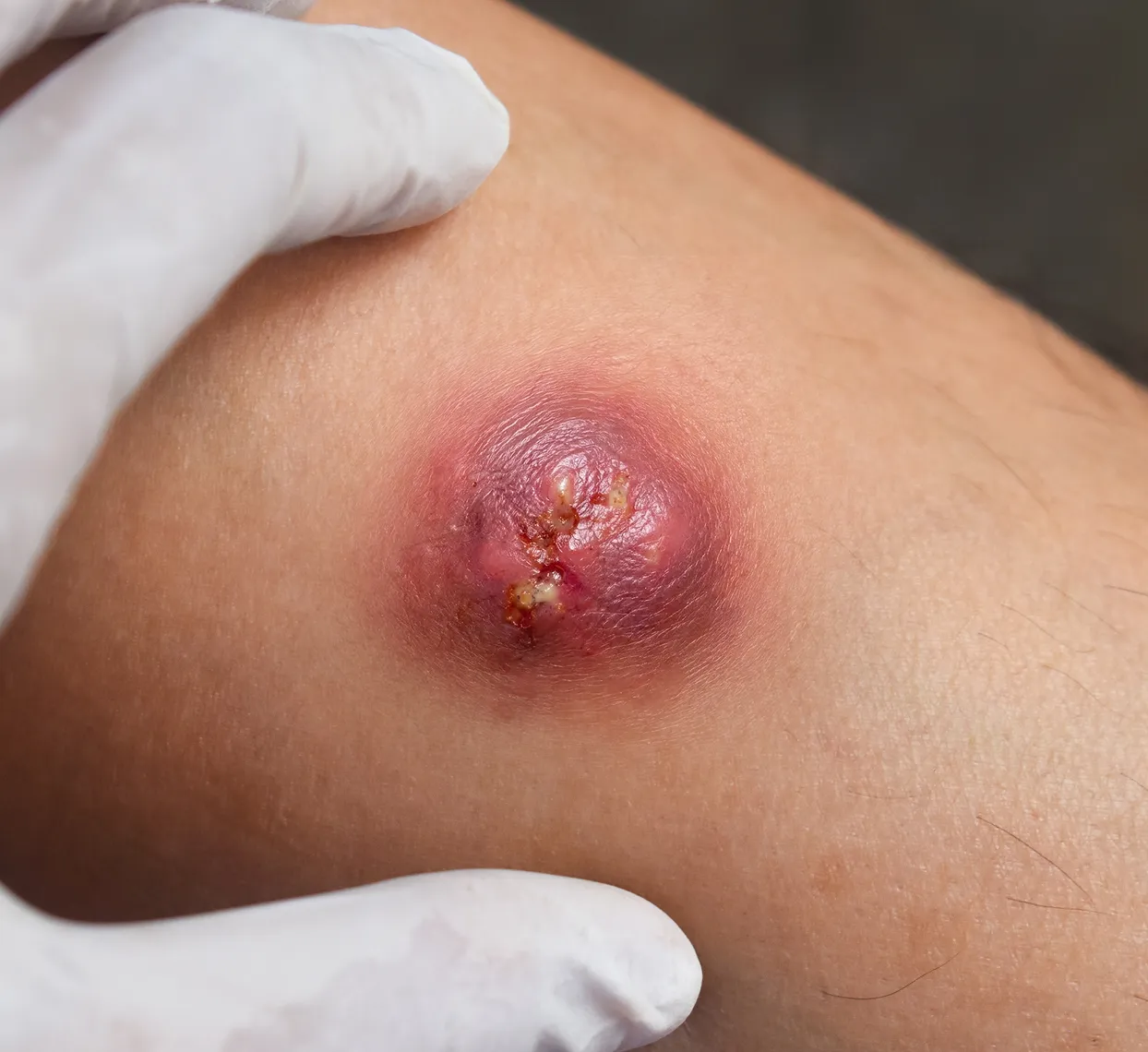
Merkel Cell Carcinoma:
A rare and aggressive form that appears as a flesh-coloured or bluish-red nodule, often on the face, head, or neck, and requires prompt specialist treatment.
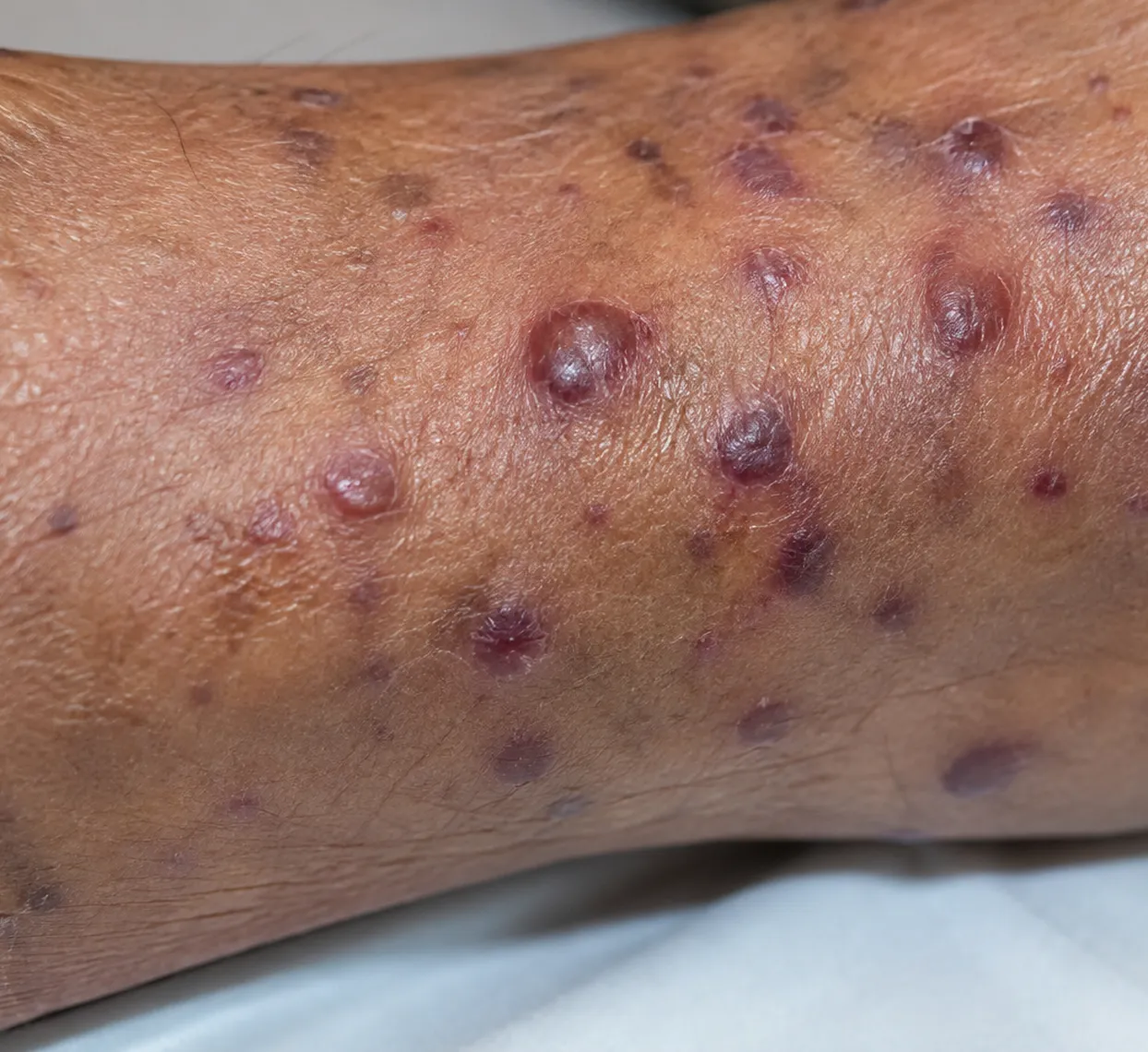
Kaposi Sarcoma:
A cancer that forms in the blood vessel lining of the skin, producing red or purple patches, and is more common in people with weakened immune systems.
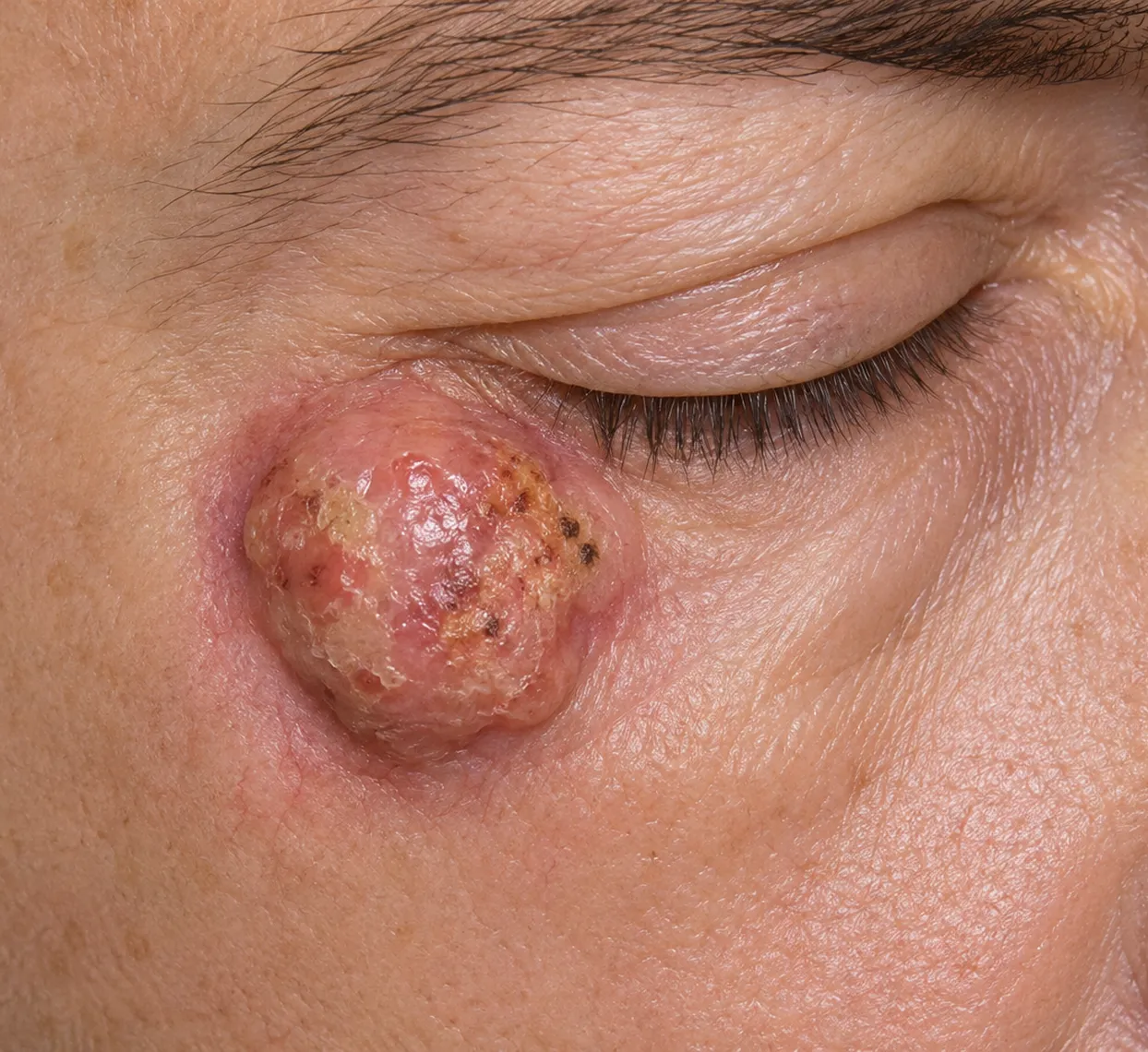
Sebaceous Gland Carcinoma:
An uncommon but aggressive cancer arising from the oil-producing glands of the skin, most often appearing on or around the eyelid.
Symptoms of Skin Cancer

Causes of Skin Cancer

UV radiation from sunlight:

Cumulative sun exposure and a history of severe sunburn are the leading causes of basal cell and squamous cell carcinoma.
Tanning bed use:
Artificial UV radiation from tanning equipment significantly increases the risk of all three major types of skin cancer.
Fair skin and low melanin:
People with lighter skin, light-coloured eyes, and red or blonde hair have less natural protection against UV damage and are at higher risk.
Family or personal history:
A prior skin cancer diagnosis or a close family history of melanoma substantially raises the likelihood of developing the condition.
Weakened immune system:
Immunosuppression from organ transplants, HIV, or long-term medication use reduces the body's ability to detect and destroy abnormal skin cells.
Exposure to chemicals or radiation:
Prior radiation therapy and prolonged contact with substances like arsenic or industrial chemicals are known skin cancer risk factors.
Certain genetic conditions:
Inherited syndromes such as xeroderma pigmentosum impair the skin's ability to repair UV-induced DNA damage, greatly increasing cancer risk.
Treatment Options for Skin Cancer
Treatment depends on the type, size, location, and stage of the cancer.

When to See a Dermatologist or Oncologist
- A mole or skin lesion that changes in size, shape, colour, or texture
- Any skin growth that bleeds, crusts, or does not heal within a few weeks
- A new or unusual patch of skin that does not resolve on its own
- A strong family history of melanoma or multiple atypical moles
- Fair skin with a history of significant sun exposure or repeated sunburns
- Post-treatment follow-up for monitoring recurrence or new lesions

Early evaluation can help manage symptoms sooner and lower the risk of related complications.
Book An AppointmentComprehensive healthcare backed by experience, advanced infrastructure, and patient-first care
Thousands of patients across specialities have trusted Cura for their care.
Round-the-clock access to emergency care and medicines across both campuses.
Fully equipped inpatient facilities to support your recovery comfortably.
Every process meets a nationally recognised standard for patient safety and quality.
40+ insurance and TPA partners accepted across both campuses.
Questions? Answered.
Early skin cancer often appears as a new or changing mole, a pearly or pink bump, a flat scaly patch, or a sore that refuses to heal.
Regular self-examinations using the ABCDE rule (Asymmetry, Border, Colour, Diameter, Evolution) and annual skin checks with a dermatologist are the most reliable methods.
Stage 1 means the tumour is small, typically under 2 centimetres, and has not spread to lymph nodes or other parts of the body, making it highly treatable.
Yes, the majority of skin cancers, including melanoma, are curable when detected and treated at an early stage before spreading.
Yes, particularly melanoma, which can appear on the soles of the feet, palms, under nails, and even inside the eye or mouth, making full-body skin checks important for everyone.