
Heart Attack

What Is Heart Attack?
A heart attack, medically known as a myocardial infarction, happens when blood flow to part of the heart is severely reduced or completely blocked. This is usually caused by a buildup of fatty deposits called plaques in the heart’s arteries, a process known as atherosclerosis. When a plaque ruptures, it can form a blood clot that blocks the artery, cutting off oxygen to the heart muscle and causing tissue damage.
A heart attack is a medical emergency. The longer blood flow stays blocked, the more heart muscle is damaged, which makes prompt treatment critical to survival and recovery.
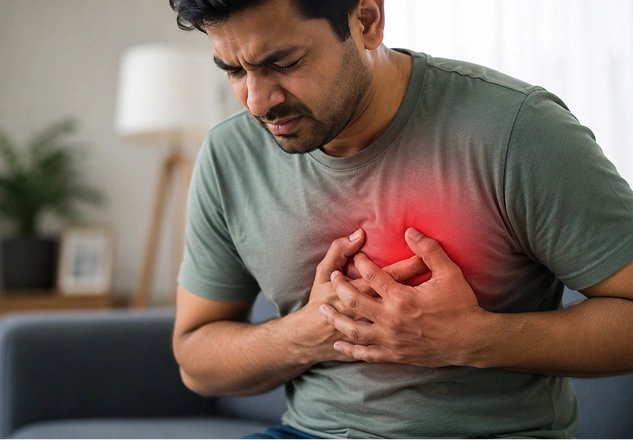
Symptoms of Heart Attack
Symptoms can vary from person to person, and some people, especially women, older adults, and those with diabetes, may experience milder or less typical signs.
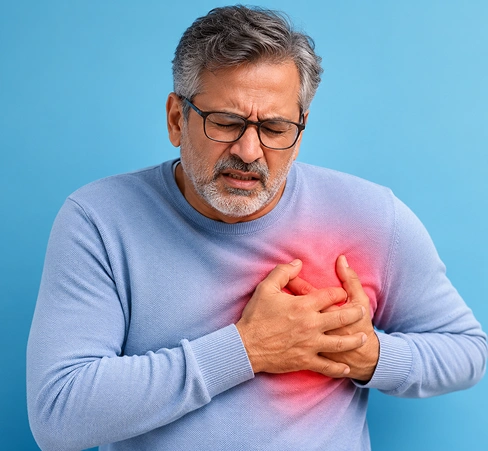

Causes of Heart Attack
Most heart attacks result from coronary artery disease, where one or more heart arteries become narrowed or blocked.

Plaque buildup

Fatty deposits narrow the arteries over time, restricting blood flow.
Blood clots
A ruptured plaque can trigger a clot that fully blocks the artery.
Coronary artery spasm
A sudden tightening of the artery, even without major blockage.
Underlying infections
Certain viral infections can damage the heart muscle.
Spontaneous coronary artery dissection (SCAD)
A rare tear within a heart artery wall, more common in younger patients.
Treatment Options For Heart Attack
Heart attack treatment focuses on quickly restoring blood flow to limit heart damage. The approach depends on how severe and how recent the blockage is.

When to See an Cardiologist
Once stable, follow up with a cardiologist if you:
- Have ongoing chest discomfort, even mild or occasional
- Have risk factors like high blood pressure, diabetes, or high cholesterol
- Have a family history of early heart disease
- Want a cardiovascular risk assessment, even without symptoms
Early evaluation can help manage symptoms sooner and lower the risk of related complications.
Book An AppointmentComprehensive healthcare backed by experience, advanced infrastructure, and patient-first care
Thousands of patients across specialities have trusted Cura for their care.
Round-the-clock access to emergency care and medicines across both campuses.
Fully equipped inpatient facilities to support your recovery comfortably.
Every process meets a nationally recognised standard for patient safety and quality.
40+ insurance and TPA partners accepted across both campuses.
Questions? Answered.
A heart attack is usually confirmed through an ECG, blood tests that detect heart-related proteins, and imaging such as an echocardiogram. Symptoms like chest pain, breathlessness, and unexplained fatigue at the time of the episode can also point toward it, but only medical tests can confirm it.
It typically starts when a fatty plaque inside a heart artery ruptures, triggering a blood clot that blocks blood flow. This cuts off oxygen to part of the heart muscle, and symptoms like chest pain or pressure often follow within minutes.
Immediate management involves calling emergency services, taking aspirin if advised, and getting to a hospital quickly for treatment such as angioplasty. Long-term management includes medication, cardiac rehabilitation, and lifestyle changes to prevent recurrence.
A persistent fear of having a heart attack, sometimes linked to health anxiety or cardiophobia, can cause people to misread normal bodily sensations as cardiac symptoms. This fear is common after a cardiac event or in people with a family history, and addressing it often involves both medical reassurance and emotional support.
Yes, in many cases. Managing blood pressure, cholesterol, and blood sugar, along with quitting smoking, staying active, and managing stress, significantly lowers the risk, even for people with a family history.