
Allergies Treatments

What Is Allergies?
Allergies occur when the immune system overreacts to a foreign substance that is usually not harmful, such as pollen, pet dander, or certain foods. When you come into contact with something you are allergic to, your body treats it as a threat and reacts to try to eliminate it. Reactions range from mild seasonal sneezing to severe, life-threatening responses that require immediate medical attention.

Types Of Allergies
Allergies are classified by the allergen responsible and the part of the body they affect.
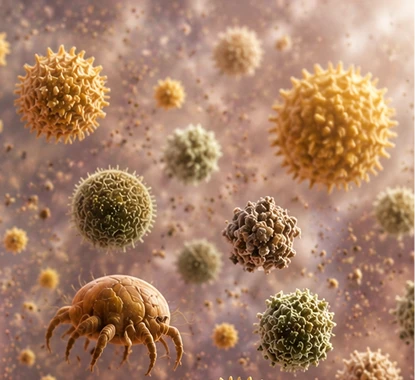
Allergic Rhinitis (Hay Fever)
Triggered by airborne particles such as pollen, dust mites, or mould spores. Causes sneezing, nasal congestion, and itchy, watery eyes, often seasonally or year-round.

Food Allergies
An immune reaction to specific foods, most commonly peanuts, tree nuts, dairy, eggs, wheat, soy, fish, and shellfish. Can range from mild digestive upset to severe anaphylaxis.

Drug Allergies
An abnormal immune response to medications, including antibiotics like penicillin, aspirin, and certain painkillers. Symptoms can include rashes, hives, and in serious cases, anaphylaxis.
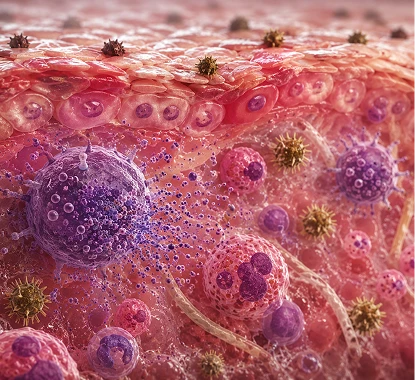
Skin Allergies
Includes contact dermatitis, triggered by direct skin exposure to allergens such as latex, nickel, cosmetics, or plant resins like poison ivy. Results in redness, itching, and rash at the site of contact.

Insect Sting Allergies
A reaction to venom from bee, wasp, or hornet stings. Most people experience localised swelling, but those with a sensitised immune system can develop a severe systemic reaction.
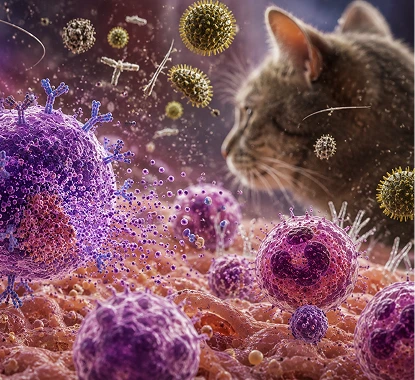
Animal Allergies
Caused by proteins found in animal dander, saliva, or urine rather than fur itself. Commonly triggered by cats, dogs, and rodents, and can persist long after the animal is no longer present.
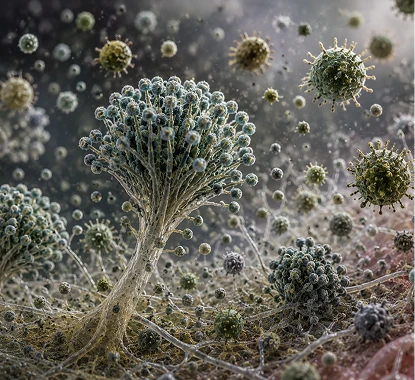
Mould Allergies
A reaction to airborne mould spores, which can be present both outdoors and in damp indoor environments. Symptoms typically worsen in humid seasons or poorly ventilated spaces.

Latex Allergy
An immune response to natural rubber latex found in gloves, balloons, and certain medical equipment. More common in healthcare workers and people with multiple prior surgeries.
Symptoms of Allergies


Causes of Allergies

Immune system hypersensitivity

The immune system mistakenly identifies a harmless substance as a threat and releases chemicals like histamine, causing allergy symptoms.
Genetic predisposition
A family history of allergies, asthma, or eczema significantly raises the likelihood of developing allergic conditions.
Early and repeated exposure
Repeated contact with certain allergens over time can sensitise the immune system, particularly in those with a genetic tendency.
Environmental and lifestyle factors
Air pollution, urban living, and reduced early childhood exposure to microbes are all associated with higher allergy rates.
Underlying conditions
Pre-existing conditions such as asthma, eczema, or a compromised immune system can increase both sensitivity to allergens and the severity of reactions.
Treatment Options For Allergies
Treatment is guided by the type of allergy, severity of symptoms, and frequency of exposure.

When to See an Allergist
Consult an Allergist or your doctor if you notice:
- Allergy symptoms that occur frequently or persist year-round
- Symptoms that interfere with sleep, work, or daily activities
- Inadequate relief from over-the-counter medications
- A previous severe allergic reaction or anaphylaxis
- Asthma or eczema worsening alongside allergic symptoms
- Suspected food or drug allergy requiring formal testing and diagnosis
- Interest in allergen immunotherapy for long-term management

Early evaluation can help manage symptoms sooner and lower the risk of related complications.
Book An AppointmentComprehensive healthcare backed by experience, advanced infrastructure, and patient-first care
Thousands of patients across specialities have trusted Cura for their care.
Round-the-clock access to emergency care and medicines across both campuses.
Fully equipped inpatient facilities to support your recovery comfortably.
Every process meets a nationally recognised standard for patient safety and quality.
40+ insurance and TPA partners accepted across both campuses.
Questions? Answered.
The best treatment depends on the type and severity of allergy. Antihistamines and nasal corticosteroid sprays are effective for most everyday allergic symptoms. For long-term relief, allergen immunotherapy can reduce sensitivity over time. Those at risk of anaphylaxis require an epinephrine auto-injector. A formal allergy evaluation helps determine the most appropriate plan for each individual.
The most commonly seen allergies include pollen (hay fever), dust mites, pet dander, mould spores, certain foods such as peanuts and shellfish, insect stings, penicillin and other medications, latex, cockroach allergens, and contact allergens such as nickel or cosmetic ingredients.
Yes. Some people experience allergies that are merely annoying and seasonal, while others have reactions that affect them continuously and require significant lifestyle adjustments. Perennial allergies, triggered by year-round allergens like dust mites, pet dander, or mould, can cause daily symptoms. Persistent daily symptoms warrant evaluation by an allergist to confirm triggers and explore long-term management options.
Yes, allergies can appear at any age, even if you had no prior history of them. Adult-onset allergies are increasingly common and can be triggered by new environmental exposures, changes in immune function, or prolonged contact with a new allergen such as a pet or workplace substance. They are diagnosed and managed in the same way as childhood-onset allergies.
Yes. Allergic asthma is one of the most common forms of asthma, where exposure to allergens like pollen, dust mites, or pet dander causes airway inflammation and breathing difficulty. In patients with both conditions, treating the allergy effectively often leads to better asthma control as well. An integrated assessment by an allergist or respiratory specialist is advisable in such cases.