
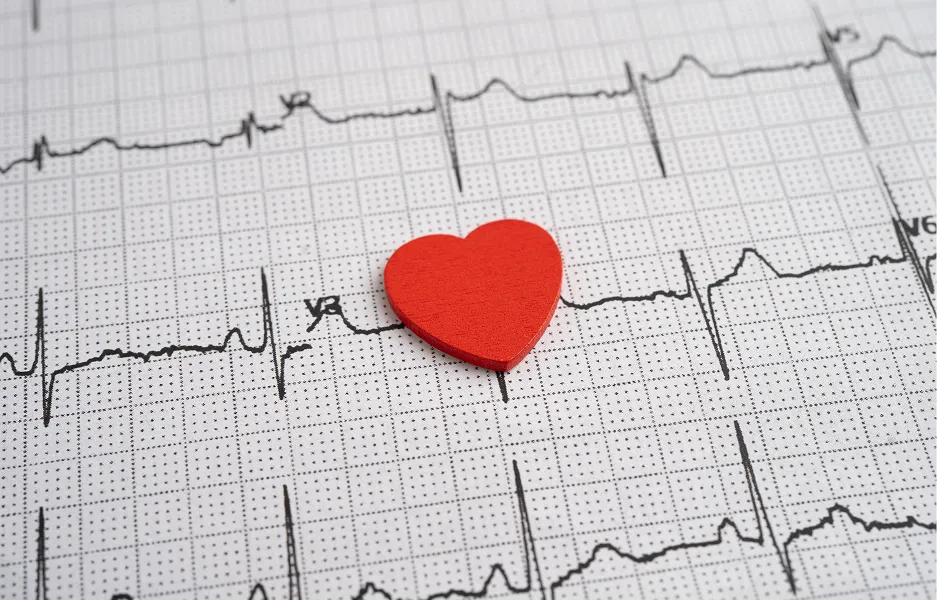
Diagnosis First
ECG, 2D-Echo and TMT to identify exactly what's causing your symptoms.

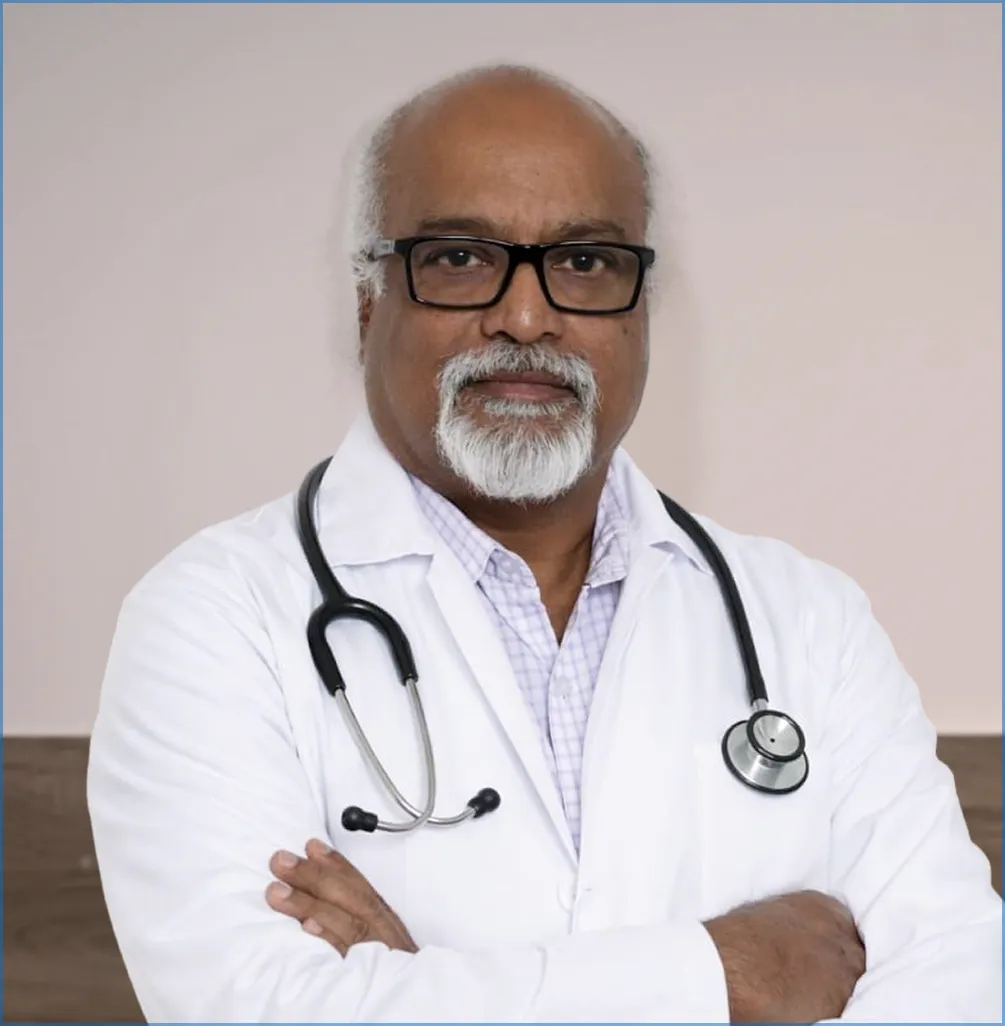
MBBS Karnataka Medical College, Hubli, MS General Surgery Postgraduate surgical training, India , MCh Cardiothoracic & Vascular Surgery
Dr. Chandrashekar Guruvegowda is a highly distinguished Senior Cardiothoracic and Vascular Surgeon with over 5,000 successful surgeries encompassing adult, pediatric, and complex congenital heart cases. Recognized globally for his mastery of Minimal Access Cardiac Surgery (MACS) and advanced Video-Assisted Thoracic Surgery (VATS), he offers international patients state-of-the-art treatment with significantly reduced recovery times. His elite medical training in the UK, USA, and Belgium ensures world-class clinical outcomes at a fraction of Western healthcare costs.
get it examined.
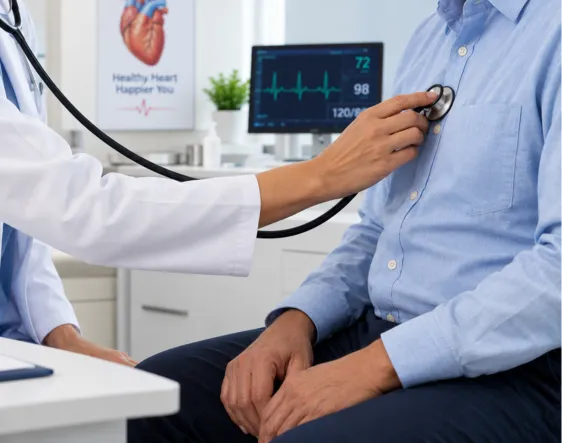
A cardiologist can assess whether it’s cardiac in origin and how urgently it needs to be addressed.
get it examined.
ECG, 2D-Echo and TMT to identify exactly what's causing your symptoms.

Lifestyle, medication or procedural intervention, matched to your specific cardiac risk profile.
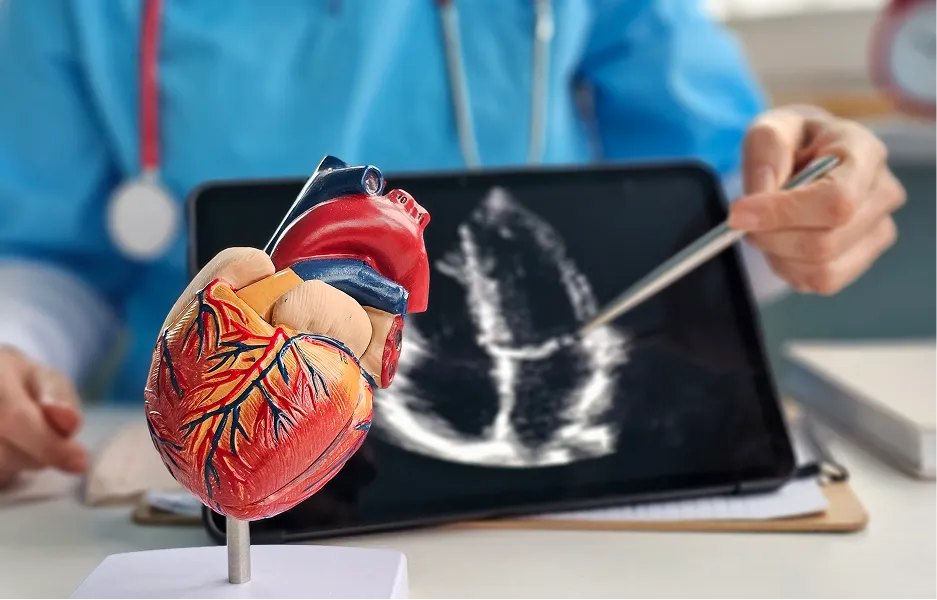
From diagnostics to angioplasty and valve-related procedures, under one roof.

Ongoing follow-up for blood pressure, cholesterol and cardiac risk factors, not just one-time treatment.
Share your symptoms and any previous cardiac reports or medication history.
Dr. Anindita assesses your symptoms, risk factors and vitals.
ECG, 2D-Echo, TMT or blood tests as needed to confirm the diagnosis.
Lifestyle changes, medication or a procedure are explained based on your results.
Cardiac procedures are performed with appropriate pre- and post-care.
Regular follow-up to track blood pressure, cholesterol and heart function over time.

Get evaluated now. Dr. Anindita identifies the cause before recommending any treatment.

No.18, Kanakapura Rd, Venkatareddy Layout, Doddakallasandra, Bengaluru, Karnataka 560062 · OPD 8am to 9pm
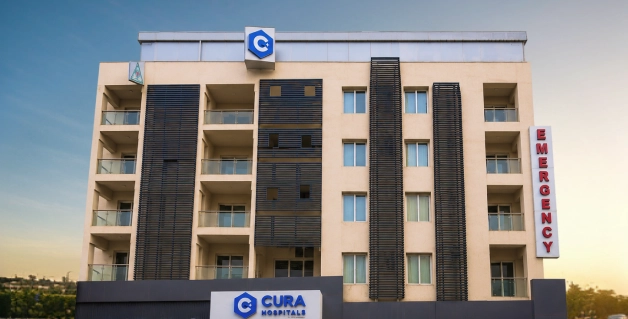
1, Bethel St, HRBR Layout 2nd Block, Kalyan Nagar, Kammanahalli, Bengaluru, Karnataka 560043 · OPD 8am–9pm
Not always, but it should never be self-diagnosed. Chest pain can come from cardiac, muscular or digestive causes, and a cardiologist can quickly determine which it is.
A typical evaluation includes an ECG, a blood pressure check, and, where needed, a 2D-Echo or TMT (stress test) to assess heart function.
Generally from your late 30s onwards, or earlier if you have a family history of heart disease, high blood pressure, diabetes or smoke.
In early or mild cases, lifestyle changes may help, but this should be assessed and monitored by a cardiologist rather than self-managed.
Most patients are monitored in-hospital for a day or two, with a gradual return to normal activity over the following weeks, depending on the individual case.
Yes, for eligible procedures through our insurance and TPA partners. We recommend confirming your specific coverage with our team.